
Single Phase vs Three Phase Air Conditioning Power Requirements
You may find yourself needing to choose between single phase and three phase power for your air conditioning system. Understanding the differences between these two setups is crucial for selecting the right option for your needs. This post will clarify how each configuration impacts efficiency, installation, and overall performance, helping you make an informed decision that enhances your air conditioning system’s effectiveness and reliability.
Key Takeaways:
- Single-phase systems are typically suitable for residential applications, while three-phase systems are commonly used in commercial and industrial settings.
- Three-phase air conditioning units offer greater efficiency and capacity, allowing for larger cooling loads compared to single-phase units.
- Single-phase systems are limited in power delivery, which may lead to increased voltage drop and potential performance issues for high-demand scenarios.
- Three-phase power can reduce the amount of current needed for the same power output, resulting in smaller conductors and lower energy losses.
- The choice between single-phase and three-phase impacts installation costs, energy efficiency, and system longevity, depending on the specific application requirements.
The Power of Phases: Defining Single and Three Phase Systems
Single phase and three phase systems fundamentally differ in how they deliver electrical power. Single phase systems rely on a single alternating current (AC) waveform, suitable for smaller applications like residential air conditioning units. In contrast, three phase systems utilize three separate AC waveforms, which provide a more constant and balanced power supply, making them ideal for larger commercial and industrial applications. This definition sets the stage for understanding their respective strengths in HVAC performance.
Basic Mechanisms of Single Phase Power
In a single phase power system, electricity is delivered through two wires: a live wire and a neutral wire. The voltage fluctuates sinusoidally, providing power at a specific frequency, typically 60 Hz in North America. This configuration supports smaller air conditioning units effectively, allowing them to operate with simple circuitry and lower installation costs. However, the power supply can dip during peak loads, which can lead to inefficiencies.
Three Phase Power: An Engineered Advantage
Three phase power operates using three alternating currents that are offset by 120 degrees, ensuring a steady flow of energy. This configuration allows for greater efficiency, particularly in larger systems, as it can handle heavier loads and reduce the risk of voltage drops during peak demand periods, unlike single phase systems.
With three phase power, motors run more smoothly, reducing wear and tear over time. This configuration can deliver three times the power of a single phase system while requiring less current, making it ideal for large-scale HVAC systems. Additionally, three phase units are often more energy-efficient, translating to substantial savings on energy bills for facilities using substantial amounts of cooling or heating. The initial investment may be higher, but the longer-term operational benefits significantly enhance overall efficiency and performance in commercial settings.
Load Capacity and Performance: A Side-by-Side Analysis
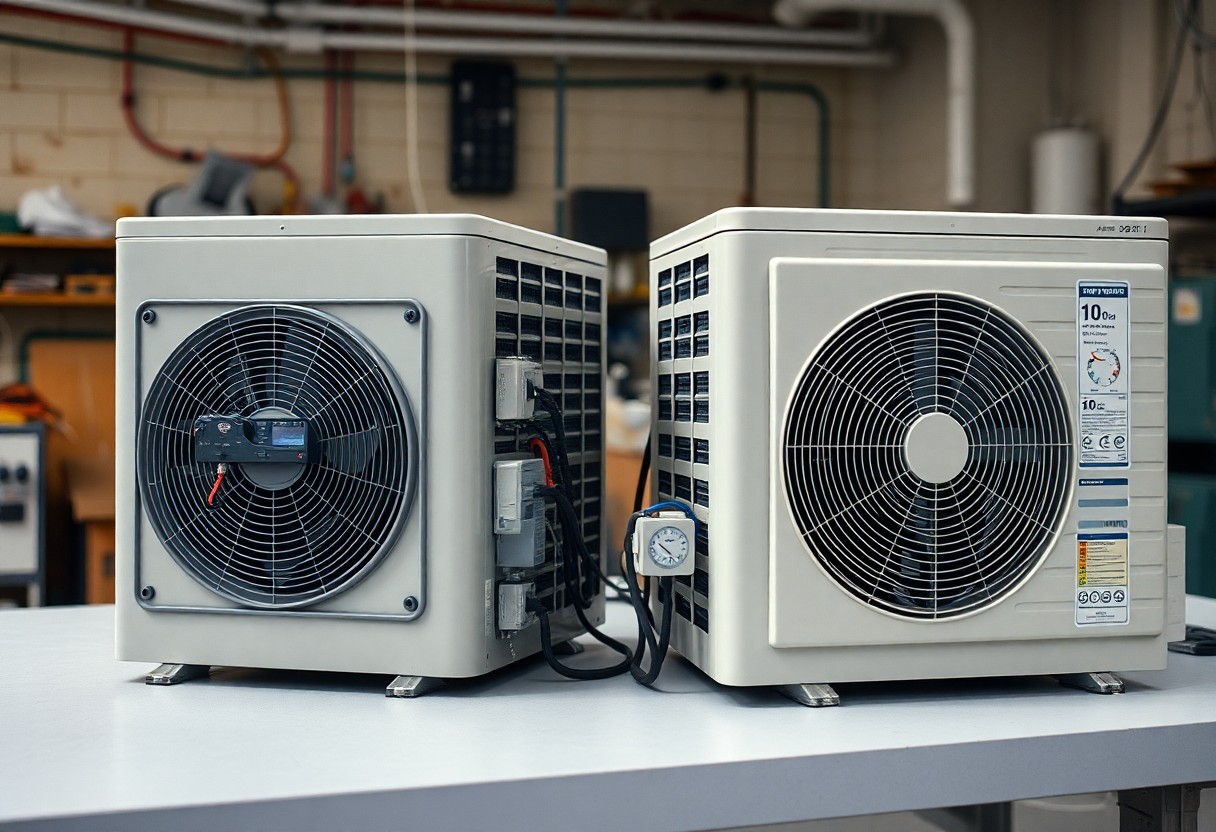
Single phase and three phase air conditioning systems vary significantly in load capacity and overall performance. Typically, single phase units are suited for residential applications, delivering adequate cooling power for smaller spaces with capacities up to 5 tons. In contrast, three phase systems can handle larger loads and are ideal for commercial and industrial settings, often exceeding 20 tons. This enhanced capacity translates into greater efficiency and adaptability in maintaining optimal indoor climates, especially in high-demand scenarios.
Efficiency Ratings and Energy Consumption
Efficiency ratings play a key role in choosing between single phase and three phase systems. Three phase units generally achieve higher Seasonal Energy Efficiency Ratios (SEER), which indicates better cooling output per unit of energy consumed. For instance, while single phase systems might offer SEER ratings around 14-16, three phase systems can exceed 18, leading to significant energy savings over time. Additionally, the improved load management of three phase units ensures a more stable energy consumption pattern.
Impact on Cooling Performance and Reliability
Three phase systems provide enhanced cooling performance through consistent power delivery, which minimizes the risk of power drops or interruptions. This reliability allows them to maintain stable temperatures more effectively than single phase units, especially during peak usage. Moreover, a three phase system’s ability to handle larger fluctuations in load makes it less prone to overheating and failure, ensuring prolonged service life and reduced maintenance needs.
The stability offered by three phase systems extends to operational reliability, as they are designed to manage larger electrical loads without the voltage drop that can occur in single phase units. For example, in environments with significant cooling demands or commercial applications with multiple air conditioning units, three phase systems distribute energy more efficiently, resulting in consistent cooling without stress on the equipment. This translates to fewer service interruptions, ensuring that workspaces remain comfortable while minimizing the chances of breakdowns due to power-related issues. Furthermore, lower maintenance requirements and longer equipment lifespan add to the appeal of three phase setups, making them a worthwhile investment for higher-capacity cooling needs.
Application Context: Where Each System Shines
Understanding the application context of single phase and three phase air conditioning systems illuminates their unique advantages. Single phase systems excel in residential settings due to their simplicity and efficiency for small loads, while three phase systems dominate commercial installations where higher power demands and greater efficiency are paramount. Each system’s design aligns seamlessly with its intended environment, ensuring optimal performance and cost-effectiveness.
Residential vs. Commercial Installations
In residential installations, single phase systems typically suffice for everyday needs, efficiently cooling small to medium spaces. Conversely, commercial installations require three phase systems to handle larger loads, providing the necessary scalability and reliability for extensive HVAC demands in office buildings, warehouses, and retail spaces.
Situational Benefits: Cost, Space, and Usage
Cost, space, and usage considerations significantly influence your choice between single phase and three phase systems. Single phase systems often involve lower initial investments and reduced installation complexity, making them suitable for homes. In contrast, three phase systems, though more expensive upfront, offer better energy efficiency and lower operational costs for businesses that require continuous, reliable cooling across multiple large areas.
Investing in a single phase system for residential purposes often offsets initial costs due to simplified installation and maintenance, with typical expenses ranging from $2,000 to $8,000. However, if your usage demands peak cooling performance, three phase systems, although costing between $5,000 and $20,000, provide advantages in energy efficiency and capacity for large-scale operations. Additionally, the smaller equipment footprint of three phase systems allows for more effective space utilization, critical in commercial settings where every square foot counts. Your overall savings on energy bills over time may justify the higher initial investment, making three phase systems a wise choice for businesses aiming for long-term operational efficiency.
Installation Complexities: What to Expect
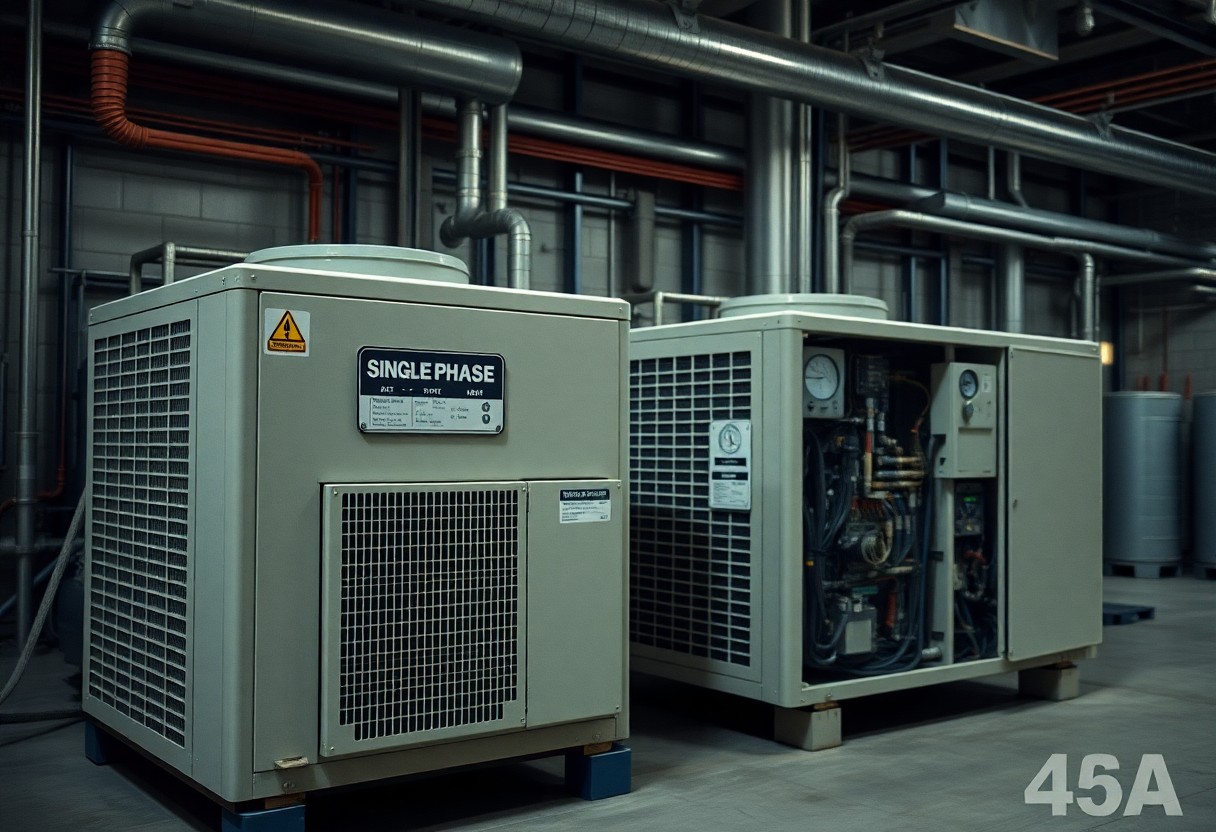
Choosing between single phase and three phase air conditioning systems introduces unique installation complexities that vary significantly based on your power setup. Single phase installations generally require less extensive modifications to existing electrical infrastructure, making the process relatively simpler and quicker. In contrast, three phase systems often demand specialized equipment and skilled labor to handle their increased voltage needs, potentially extending project timelines and budgets.
Wiring Requirements and Infrastructure Needs
Your wiring and infrastructure needs will depend on the type of system you select. Single phase systems typically utilize standard 120V or 240V wiring, which is commonplace in residential settings, making it easier to integrate into your home. On the other hand, three phase systems require a higher voltage supply, often necessitating upgrades to your main electrical service and heavier gauge wiring to accommodate increased load and minimize electrical losses.
Potential Challenges and Solutions in Setup
Installing a three phase air conditioning system can pose significant challenges, including the need for adequate electrical supply and potential disruptions during installation. Compatibility with existing electrical systems may also be a concern. Engaging a licensed electrician to assess your site’s capabilities is advisable; they can provide solutions such as installing a dedicated service panel or incorporating voltage regulators to ensure efficient operation and mitigate complications during the initial setup.
Addressing potential challenges upfront can streamline the installation process and prevent costly delays. For instance, if your current electrical panel lacks sufficient capacity for a three phase system, upgrading it before installation will save time and unexpected expenses. Additionally, planning for disruptions by scheduling installation during off-peak hours can minimize inconveniences to your daily routine. Having contingency plans in place, such as temporary cooling solutions, can also ease the transition, allowing you to enjoy the benefits of your new air conditioning system without significant downtime.
Future Trends: Evolution of Air Conditioning Power Supply
The future of air conditioning power supply is leaning towards more energy-efficient and sustainable solutions, reflecting growing environmental concerns. Innovations in technology promise higher efficiency ratings, reduced energy consumption, and improvements in system reliability. You’ll find systems increasingly using smart technology to optimize performance and adapt to varying demands, ensuring minimal energy wastage and significant cost savings over time.
Innovations in Three Phase Systems
Three phase systems are evolving with the integration of advanced controls and variable frequency drives (VFDs), enhancing efficiency and performance. These innovations allow for smoother operation under varying loads, minimizing energy loss. You’ll benefit from higher capacity systems that can handle larger spaces while maintaining lower operational costs, driving more sustainable choices in HVAC solutions.
The Role of Renewable Energy in Power Requirements
Renewable energy sources, such as solar and wind, increasingly influence air conditioning power requirements. You can harness these sustainable options to power your systems, reducing reliance on conventional electricity and lowering your carbon footprint.
Integrating renewable energy into your air conditioning setup can significantly offset energy costs and provide a reliable power supply, especially in regions where renewable resources are abundant. For example, pairing solar panels with air conditioning systems can ensure energy independence and resilience, particularly during peak demand times. As technology advances, you may see more manufacturers offering systems specifically designed to operate efficiently with renewable energy sources, making sustainable choices more accessible than ever.
Conclusion
Summing up, when choosing between single-phase and three-phase air conditioning systems, you should consider your power requirements and the scale of your cooling needs. Single-phase systems are suitable for residential use with lower power demands, while three-phase systems cater to larger installations, offering increased efficiency and reliability. Evaluating your specific requirements will guide you in making the best decision for your air conditioning setup, ensuring optimal performance and energy consumption.
FAQ
Q: What is the main difference between single phase and three phase air conditioning systems?
A: Single phase systems use a single alternating current supply, making them suitable for residential settings. Three phase systems utilize three alternating currents, providing more power and efficiency, typically seen in commercial applications.
Q: How do power requirements differ for single phase and three phase air conditioners?
A: Single phase air conditioners require less power, usually operating on 120V or 240V circuits. Three phase units require higher voltage, often 208V, 380V, or 480V, allowing them to handle larger loads and provide increased cooling capacity.
Q: Which type of air conditioning system is more energy-efficient?
A: Three phase air conditioning systems are generally more energy-efficient due to their ability to distribute electrical load more evenly and operate at a higher power factor, which reduces energy losses during operation.
Q: What are the installation considerations for single phase versus three phase air conditioners?
A: Single phase units are easier and cheaper to install in residential settings, requiring less complex wiring. Three phase systems may need specialized electrical infrastructure and professional installation due to higher power supply and wiring requirements.
Q: What are the typical applications for single phase and three phase air conditioning systems?
A: Single phase air conditioning systems are commonly used in homes and small offices, while three phase systems are preferred for larger commercial spaces, industrial facilities, and in situations where high cooling capacity and efficiency are required.
