
How Do Brisbane Air Conditioning Services Help Chermside Families Beat The Heat?
Over the hottest months you depend on Brisbane air conditioning services to keep your Chermside home cool, safe and efficient; technicians provide tailored installations, routine maintenance, rapid repairs and smart system upgrades that lower your energy bills, improve indoor air quality and extend equipment life, while offering emergency support and expert advice so you can stay comfortable without unexpected costs.
Key Takeaways:
- Local Brisbane technicians recommend systems matched to Chermside’s climate for more reliable cooling.
- Professional sizing and installation improve efficiency, comfort and help reduce energy bills.
- Regular servicing prevents unexpected breakdowns, extends equipment life and maintains indoor air quality.
- Upgrading to energy‑efficient units and smart controls lowers running costs and environmental impact.
- Prompt repairs and after‑hours support restore household comfort quickly during heatwaves.
Understanding the Climate of Chermside
You live with a humid subtropical climate: hot, sticky summers and mild winters. Average summer highs sit around 29-32°C while winter nights can drop to about 10-12°C. Rainfall is concentrated in Dec-Mar, and heatwaves frequently push temperatures above 35°C for several days, making effective cooling and humidity control a daily concern for families.
Weather Patterns and Temperature Trends
You’ll notice a pronounced summer wet season (Dec-Feb) with frequent thunderstorms and high humidity; annual rainfall is roughly 1,100 mm. Daytime temperatures stay elevated through spring and summer, nights remain warm, and regular sea breezes may shave 2-4°C off afternoon highs depending on local wind patterns.
Weather at a glance
| Average summer max | 29-32°C |
| Average winter min | 10-12°C |
| Annual rainfall | ≈1,100 mm (mostly Dec-Mar) |
| Summer humidity | 60-80% (mornings) |
| Heatwave peaks | 35-40+°C |
| Typical sea‑breeze effect | −2 to −4°C afternoons |
The Importance of Air Conditioning in Hot Weather
You rely on air conditioning to cut indoor temperatures by roughly 6-12°C and reduce humidity to a comfortable 40-50%, which improves sleep, lowers heat stress for children and older family members, and prevents mould growth after summer storms. Consistent cooling also maintains indoor air quality during high pollen or smoke episodes.
You should size systems properly-a 2.5-3.5 kW split commonly suits a 20-30 m² living room-and plan for energy use: cooling can represent up to 40% of summer household electricity. Regular servicing preserves efficiency, often saving 10-20% on running costs, and setting thermostats to 24-25°C balances comfort and bills.
Types of Air Conditioning Systems
Options range from small portable units to full-house central systems, and you pick by room count, budget, or energy goals. Split systems commonly deliver 2.5-7 kW (9,000-24,000 BTU) per indoor head; ducted central systems run 7-18 kW for 3-5 bedroom homes; portable units sit around 2-4 kW for single spaces. You should watch for inverter compressors and 3.8-5.6 star ratings to reduce running costs. The table below outlines typical capacities and use-cases.
- Central / Ducted
- Single-split (wall-mounted)
- Multi-split (multiple heads)
- Portable / Window units
- Evaporative systems
| Central / Ducted | 7-18 kW; whole-home zoning; best for 3+ bedrooms |
| Single-split | 2.5-5 kW; efficient for individual rooms; low install cost |
| Multi-split | Multiple heads (2-4); 5-12 kW total; zoned control for several rooms |
| Portable / Window | 2-4 kW; temporary or rental solutions; higher running cost per kW |
| Evaporative | Low-energy option in dry months; not ideal for high humidity |
Central Air Conditioning
When you choose central (ducted) systems, expect a single outdoor unit feeding insulated ducts to every room, delivering 7-18 kW for medium-to-large Chermside homes; professional load calculation, duct design and sealing matter to prevent 10-25% losses. Installation commonly runs $6,000-$12,000 depending on system size and duct complexity, and you gain even temperature control plus whole-home dehumidification when properly commissioned.
Split Systems and Portable Units
Split systems give you room-by-room control with 2.5-7 kW heads and can be combined into multi-split rigs serving 2-4 rooms; they typically cost $900-$3,500 installed per head and use inverter compressors to cut runtime. Portable units are 2-4 kW, simple to deploy for rentals or temporary needs, but they often run louder and less efficiently than fixed splits.
For more detail, you can compare lifecycle costs: a modern 3.5 kW inverter split often achieves 4-6 COP (coefficient of performance), translating to lower kWh use than older fixed-speed models, while a multi-split layout reduces outdoor footprint but raises initial install complexity; professional sizing, correct refrigerant charge, and annual servicing are what keep performance and efficiency high for your home.
Benefits of Professional Air Conditioning Services
Beyond comfort, professional air conditioning services give you longer equipment life, fewer breakdowns and cleaner indoor air. Technicians in Chermside recommend annual servicing to keep warranties valid and halve unexpected failures; routine tasks-filter cleaning, coil descaling and refrigerant checks-also prevent efficiency losses of 5-15%. With documented service histories you get faster diagnosis and better resale value for your home.
Expert Installation and Maintenance
Correct sizing and installation ensure your system achieves design temperatures without short-cycling. For example, a typical 3-bedroom Chermside home often needs a 6-8 kW split system; oversizing raises electricity use and wear. Technicians perform load calculations, set correct refrigerant charge, seal ducts to reduce leakage and calibrate thermostats. Regular maintenance-every 12 months plus filter changes every 3 months-keeps performance within manufacturer specs.
Energy Efficiency and Cost Savings
Upgrading to a modern inverter system with a 4-5 star energy rating can lower your cooling bills substantially-commonly 20-40% compared with decade-old units. Professional tune-ups restore lost efficiency: cleaning coils and correcting refrigerant can recover 5-15% of energy use. You’ll notice lower peak demand and reduced running hours during Chermside’s long summers, converting into savings that often offset service costs within a season or two.
Diving deeper, technicians optimise efficiency through zoning, smart thermostats and correct refrigerant selection: zoning can cut cooling of unoccupied areas by 20-30%, while smart controls reduce runtime by adapting setpoints to your routine. Combining a 5-star inverter system with annual servicing, proper siting of outdoor units and simple habits-shading external units and closing blinds at midday-typically yields the largest cumulative savings and steadier indoor temperatures.
Choosing the Right Air Conditioning Service
To choose well, you should prioritise licensed local installers, detailed load calculations and energy-efficient systems; ask for 2-3 written quotes, expect a split-system install to take 4-8 hours, and favour inverter units with R32 refrigerant and 5-10 year warranties, which can reduce running costs by up to 30% compared with older fixed-speed models.
Factors to Consider
When comparing firms for your Chermside home, check QBCC licence numbers, public liability insurance and at least three years’ local experience; request a room-by-room load calculation, prefer inverter technology, and insist on itemised quotes that separate labour, parts and warranty terms. Perceiving whether they reference specific kW needs (e.g., 2.5-4 kW for bedrooms, 5-7 kW for open-plan living) shows technical competence.
- QBCC licence and public liability
- Chermside references and recent job photos
- Room-by-room load calculation & correct kW sizing
- Manufacturer and workmanship warranties (5-10 years)
- Transparent, itemised written quote
Questions to Ask Before Hiring
Ask for their QBCC licence number, whether they perform on-site load calculations, which refrigerant and inverter brands they install, the exact warranty durations (parts and labour), and for 2-3 local references plus an estimated timeline and total cost including disposal of old units.
Insist on a written quote and verify the licence against Queensland registers; if they can’t supply a load calculation that considers room size, orientation, insulation and glazing, treat that as a red flag. Request past Chermside job references or photos, clarify responsibility for council permits and old-unit disposal, and ask for running-cost estimates tied to the system’s star rating so you can compare lifecycle expenses rather than just upfront price.
Common Air Conditioning Issues and Solutions
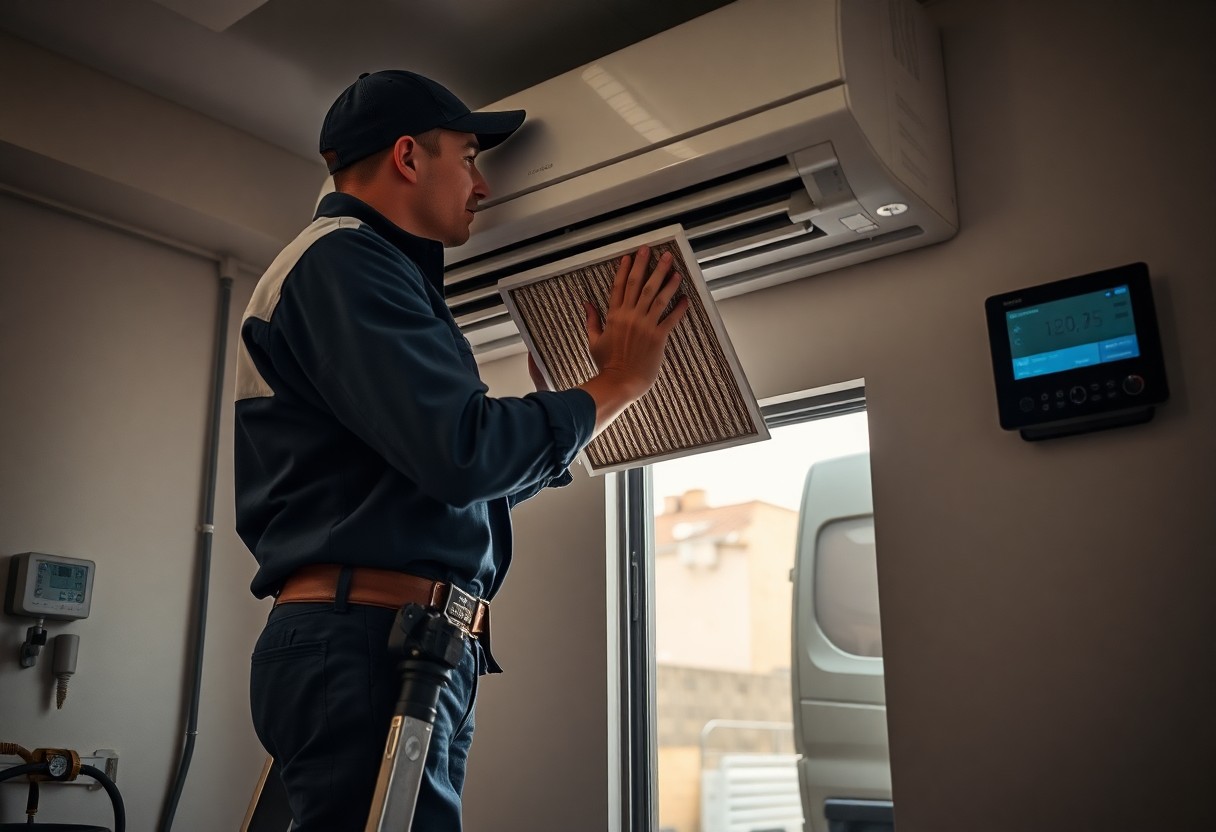
Frequent faults include blocked filters, dirty evaporator coils, refrigerant leaks and electrical faults; blocked filters often reduce airflow and raise run time, while refrigerant loss can cut cooling capacity significantly and require a licensed recharge. Technicians in Chermside commonly clear drains to stop leaks, replace capacitors to fix hard starts, and recalibrate thermostats when indoor temperatures differ by 3-4°C from the setpoint.
Preventative Maintenance Tips
You should change or clean washable filters every 1-3 months and schedule a licensed service at least once a year; keep 500 mm clearance around outdoor units, flush condensate lines quarterly, and inspect insulation on refrigerant lines. Test thermostats seasonally, and log operating times to spot efficiency drops early. Perceiving issues while they’re small often prevents costly compressor replacements or emergency calls in peak summer.
- Clean/replace filters every 1-3 months
- Annual licensed service and coil clean
- Flush condensate drain quarterly
- Keep 500 mm clearance around outdoor unit
- Check thermostat accuracy and batteries twice a year
When to Call for Repairs
Call for repairs when you detect warm air at vents, persistent dripping from the indoor unit, frequent breaker trips, or a sudden 10-20% jump in energy bills; if your unit can’t reach your set temperature within 30 minutes or cycles on and off every few minutes, book a technician. Unusual smells or grinding noises also signal electrical or motor issues needing prompt attention.
Technicians often diagnose faults with pressure gauges, leak detectors and electrical meters-common fixes include refrigerant top-up, capacitor or fan motor replacement, and drain clearing; simple repairs typically run in the low hundreds of dollars, whereas compressor replacement can exceed $1,000, so assessing age and remaining lifespan of your system helps you decide between repair and replacement.
Environmental Considerations
You can lower your household’s environmental footprint by choosing systems with low-GWP refrigerants, high seasonal efficiency and smart controls; switching from R410A (GWP ~2,088) to R32 (GWP ~675) and using inverter-driven compressors both cut emissions and running costs, which is especially important when Brisbane summer peaks push AC contribution to your power bill upward.
Eco-Friendly Cooling Options
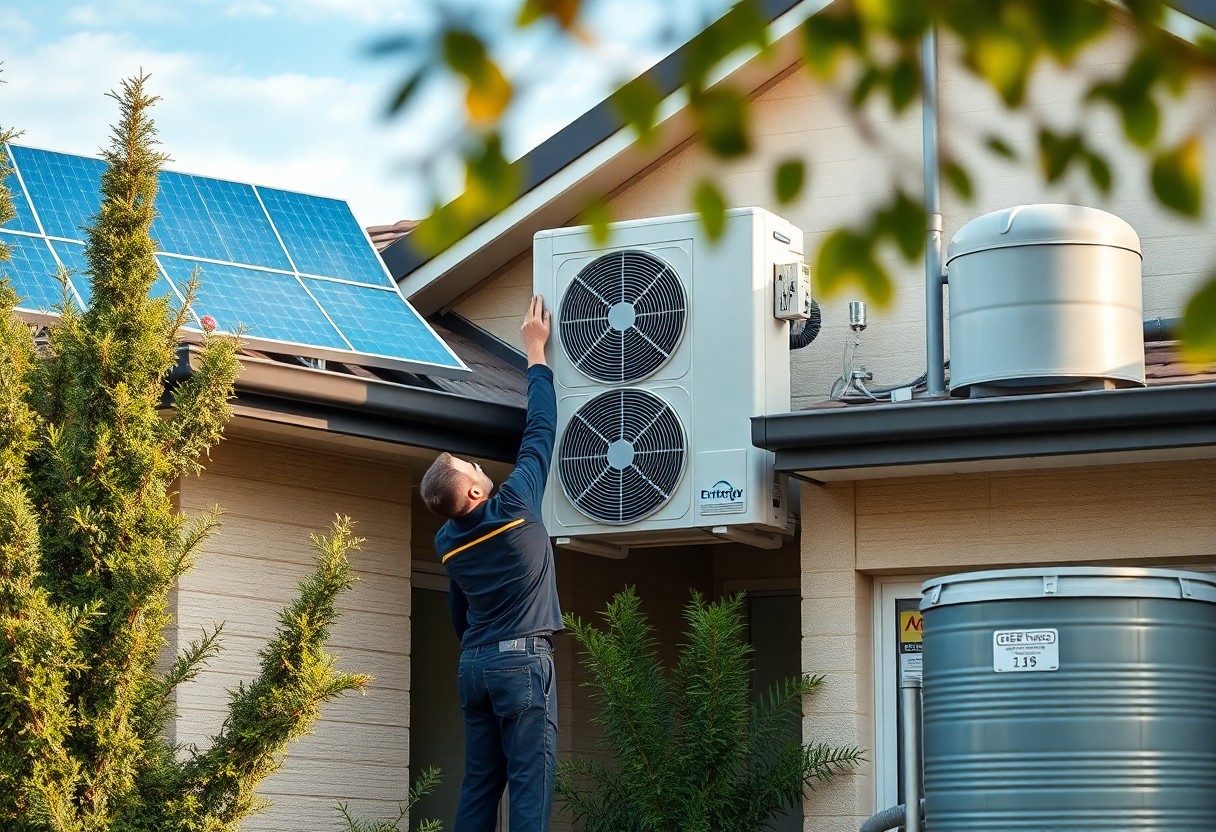
You should consider inverter split systems, reverse-cycle heat pumps and solar-assisted air conditioners; inverter units often reduce energy use by 20-30% versus fixed-speed models, R32 reduces refrigerant GWP versus older blends, and pairing a high-star-rated unit with rooftop solar lets you run much of your daytime cooling off PV generation.
Impact on Energy Consumption
You’ll see the biggest energy impact from system efficiency, sizing and behaviour: air conditioning can account for up to 35-40% of a Brisbane household’s summer electricity, so oversizing, poor insulation, low thermostat settings and neglected filters all drive consumption higher.
For example, a 5 kW cooling capacity system operating at a COP of 3 uses about 1.67 kW of electricity, so six hours of daily use equals roughly 10 kWh; at $0.35/kWh that’s about $3.50 per day. Upgrading to an inverter system that trims consumption by 25% would save ~2.5 kWh/day (~$0.88/day), while raising your setpoint by 1°C typically cuts cooling energy by around 7%. Regular servicing to keep coils clean and refrigerant levels correct can recover another 5-10% of lost efficiency, so combining efficient equipment with behavioural changes gives the best reduction in your energy bills and emissions.
Summing up
Summing up, Brisbane air conditioning services help you and your Chermside family stay comfortable by providing tailored installation, prompt repairs, scheduled maintenance and energy-efficient upgrades that lower bills and extend system life. Technicians diagnose issues quickly, improve indoor air quality with filtration options, and offer smart controls and warranties so you can rely on consistent cooling during heatwaves. Their local expertise ensures solutions suited to your home and budget.
FAQ
Q: How do Brisbane air conditioning services keep Chermside families comfortable during prolonged heatwaves?
A: Local technicians perform seasonal tune-ups that optimize system performance: cleaning or replacing filters, clearing coils and drains, checking refrigerant levels, verifying airflow and thermostat calibration. These tasks restore cooling capacity, reduce short-cycling and lower the risk of breakdowns during peak temperature periods, ensuring steady indoor temperatures when families need them most.
Q: What installation and system selection advice do providers give to suit Chermside homes?
A: Professionals assess home size, orientation, insulation, occupancy patterns and electrical supply, then recommend appropriate solutions-split systems, multi-splits or ducted inverter units. They conduct load calculations and propose zoning and placement strategies that match living areas and bedrooms, prioritize energy-efficient models with high star ratings, and handle correct sizing and ductwork to avoid undersized or oversized installations that can reduce comfort and efficiency.
Q: In what ways can air conditioning services help reduce running costs during Brisbane summers?
A: Technicians improve efficiency through correct refrigerant charge, motor and fan adjustments, and ensuring clean heat-exchange surfaces. They advise on thermostat programming, smart controls, zoning, and upgrading to inverter-driven systems that modulate output. Combined with insulation and sealing guidance, these measures lower electricity consumption, extend equipment life and can qualify households for energy-efficiency rebates or incentives.
Q: What emergency and rapid-response options are available when systems fail in extreme heat?
A: Many local companies offer priority call-outs, same-day diagnostics and emergency repairs during heat events. Services include rapid parts replacement, temporary cooling solutions (portable units or fans) and remote troubleshooting to restore partial function quickly. Technicians also provide safety checks to prevent electrical hazards and help families minimize downtime until full repairs or replacements are completed.
Q: How do air conditioning services address indoor air quality and family health while cooling homes?
A: Providers offer filtration upgrades, UV germicidal lights, humidity control and duct cleaning to reduce dust, pollen, mold and microbial growth-common contributors to respiratory issues. They can test indoor air parameters, recommend appropriate filters (HEPA or electrostatic), and set balanced ventilation so homes stay cool without trapping pollutants, benefiting children, older adults and allergy sufferers.
