Brisbane suburb characteristics determine how you access air‑conditioning services: Paddington’s older homes often need retrofitting and localized ductwork, while West End’s dense, mixed-use buildings demand compact, high-efficiency systems and faster commercial response times.
Key Takeaways:
- Paddington services focus on heritage homes and Queenslanders, requiring concealed units, custom mounts, and sometimes council heritage approvals to preserve streetscape.
- West End services cater more to apartments and mixed-use buildings, with frequent needs for apartment-compliant installs, lift access coordination, and larger commercial or VRF systems.
- Installation complexity and cost differ: Paddington often requires bespoke work to avoid visible changes, while West End can incur higher access and commercial-equipment costs for multi-storey sites.
- Council, body corporate, and building-approval requirements vary by property type: heritage overlays in Paddington versus body corporate and commercial compliance in West End.
- Service access and response logistics differ: West End’s proximity to the CBD usually gives faster contractor availability, while Paddington’s narrow streets and parking restrictions can slow on-site work.
Architectural Profiles and HVAC Requirements
Architectural variety across Paddington and West End forces different HVAC planning: you must account for heritage restrictions, ceiling-void limits and higher-density airflow demands when specifying capacity, access and placement.
Cooling Heritage Queenslanders and Cottages in Paddington
You work around elevated timber floors, narrow eaves and ornate facades, preferring split systems or low-profile ducted units that avoid altering heritage fabric while keeping rooms cool.
High-Density Apartment Living and Modern Infrastructure in West End
West End demands central plant, multi-zone systems and integrated controls so you can manage airflow, acoustic limits and shared maintenance across stacked apartments.
High-rises introduce rooftop condenser placement, plantroom access, flue and riser coordination, VRF or chilled-water options and building-management interfaces, so you plan early for noise mitigation, energy metering, service lifts and strata approvals to ensure long-term performance and cost-effective servicing.
Installation Logistics and Site Accessibility
You should expect tighter access in Paddington and shifting permit demands in West End, so schedule extra time for site surveys, equipment staging and council liaison.
Navigating Steep Terrain and Narrow Access in Paddington
Paddington's steep streets force you to use smaller lifts and hand-carry equipment, requiring extra manpower and careful placement of outdoor units.
Managing High-Rise Crane Permits and Loading Zones in West End
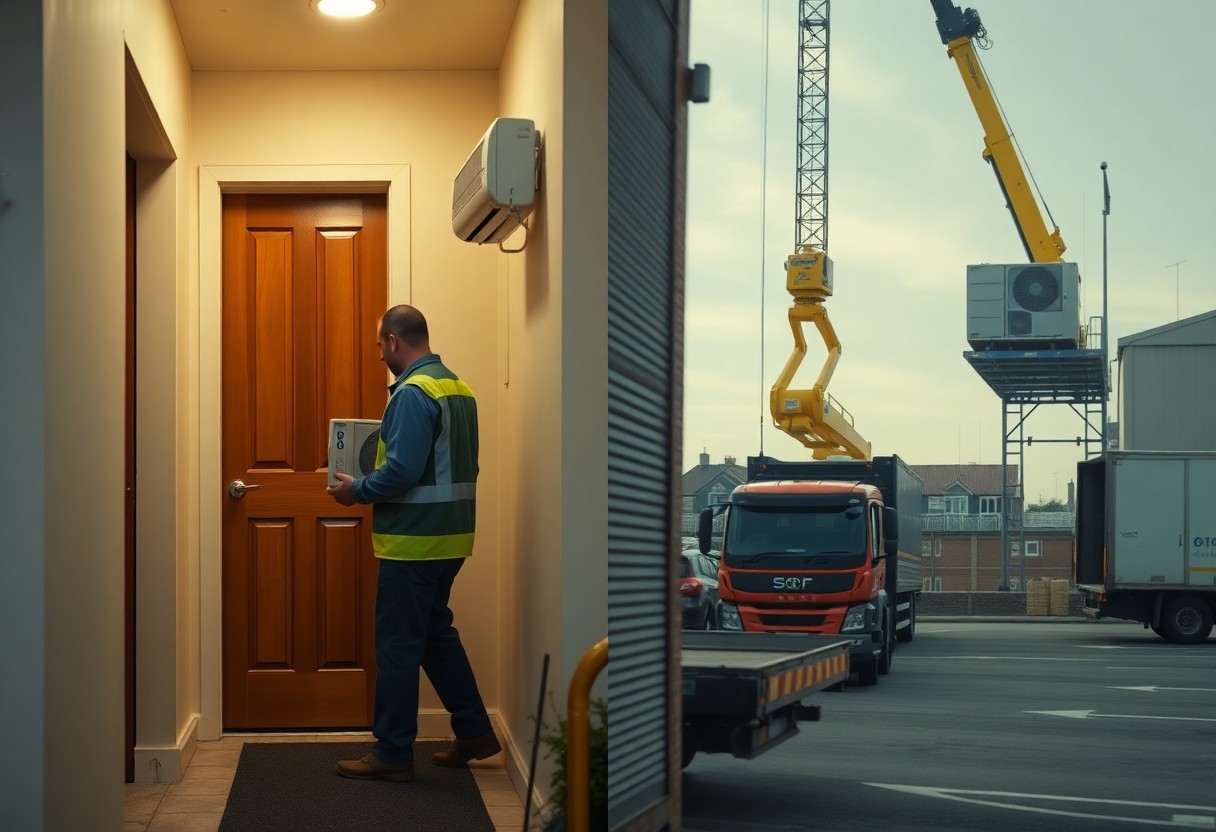
West End projects ask you to secure crane permits, book loading zones and coordinate with council to avoid fines and delays.
Permits for high-rise crane lifts in West End often require traffic management plans, engineering certifications and a minimum seven-business-day council approval window, so you must factor permit timelines into your project schedule. You should liaise early with a licensed rigger and confirm loading zone bookings to prevent last-minute cancellations and extra costs.
System Selection Based on Building Structure
Site constraints and heritage status shape whether you opt for ducted, split, or VRF systems, with installers tailoring designs to preserve Paddington fabric while fitting compact West End footprints with minimal external impact.
Multi-Level Ducted Solutions for Large Paddington Residences
Older Paddington residences often require multi-level ducted systems so you can achieve zoned comfort without altering ceiling lines, with custom ductwork routed to respect period features and character.
Compact Multi-Split and VRF Systems for Urban West End Units
Compact multi-split and VRF systems suit narrow West End units because you can install multiple indoor units with small outdoor condensers, keeping installations discreet under strata limitations.
You should weigh multi-split for cost-effective, independent room control, while VRF offers higher efficiency and wider zoning for larger or mixed-use West End blocks; installers will assess condenser siting, refrigerant runs, sound ratings and any required electrical upgrades to meet strata and council requirements.
Regulatory Compliance and Heritage Constraints
Heritage listings in Paddington mean you must seek council approval for visible external equipment, while West End's mixed-use zoning requires adherence to body corporate bylaws and local noise limits that affect installation and operation.
Adhering to Traditional Character Design Codes in Paddington
You must match heritage facades, conceal outdoor units within rooflines or behind screened enclosures, and submit detailed plans to council for approval before installation.
Navigating Body Corporate and Noise Ordinance Standards in West End
Local body corporate rules in West End mean you often need strata approval, quieter equipment choices, and restricted installation times to meet night-time noise limits.
When you deal with body corporate and council noise rules in West End, expect strata meetings, written approvals and neighbour notifications; choose low-decibel outdoor units, position compressors away from shared boundaries, and obtain acoustic ratings and compliance certificates to avoid disputes and fines.
Environmental Micro-Climates and Unit Longevity
Micro-climates shape how long your AC lasts; Paddington's elevated, drier hills reduce surface moisture exposure, while West End's low-lying, river-adjacent air speeds corrosion and compressor wear. You should plan service frequency and component choices accordingly.
Addressing Insulation Gaps and Air Leakage in Older Homes
Insulation gaps let cool air escape, forcing your system to run harder; you should request targeted sealing, duct repairs and blower-door testing during service, since Paddington's cottages and West End terraces each show different leakage patterns.
Managing Humidity and Salt Air Proximity Near the Brisbane River
Close river proximity raises humidity and salt exposure; you need corrosion-resistant coatings, more frequent filter changes and condensate inspections, especially in West End where salt spray and sustained humidity accelerate wear.
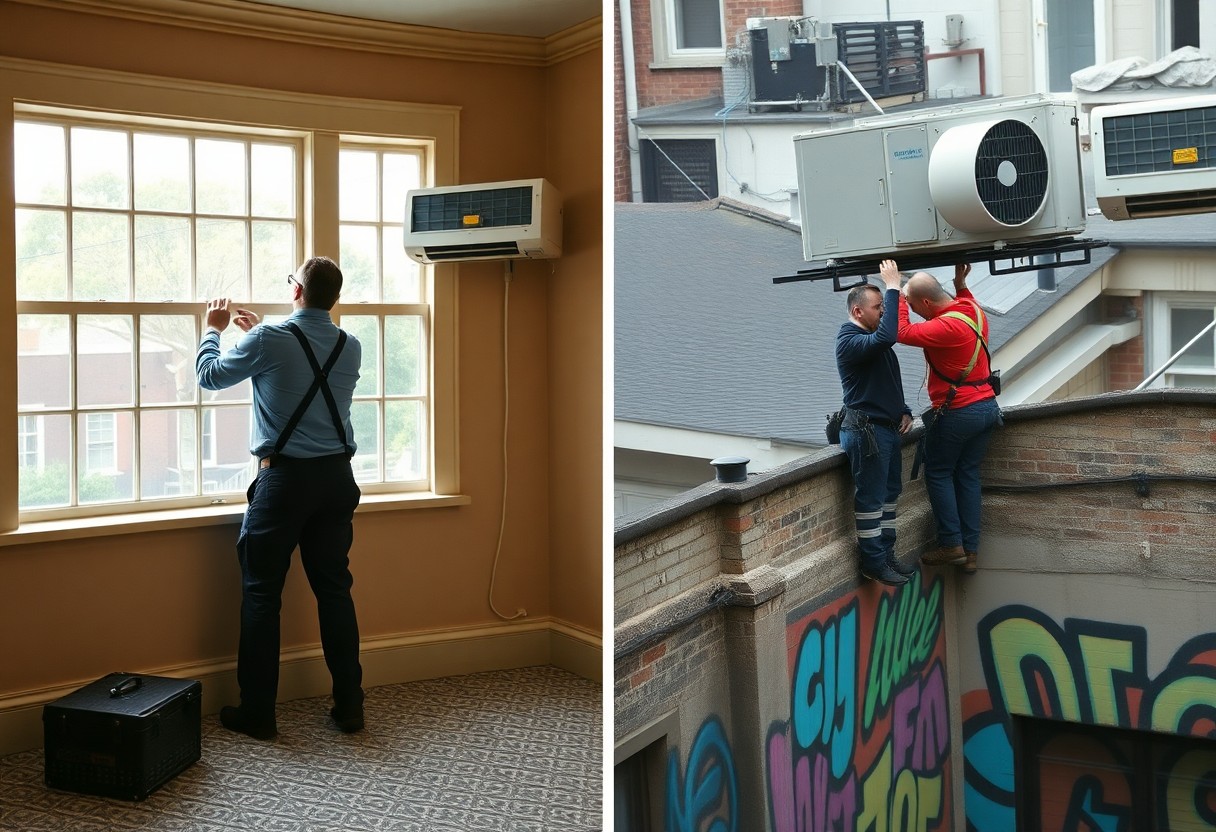
Corrosion from salt-laden air attacks coils, fan blades and electrical contacts, shortening component life. You should schedule coastal-grade maintenance every 6-12 months, apply protective anti-corrosion coatings, swap exposed fasteners for stainless or sacrificial alloys, and consider siting or shielding outdoor condensers away from prevailing river breezes. Replacing coils or compressors preemptively and using higher-grade filters and inline dehumidification will reduce downtime and long-term costs.
Specialized Maintenance and Service Specializations
Local technicians tailor inspections to your building type, seasonal load and heritage constraints, giving you targeted service plans and quicker response times.
Restoring and Retrofitting Period-Specific Ventilation Systems
Restoring older ventilation systems requires you to balance heritage preservation with modern performance, ensuring discreet upgrades, compliant materials and measured airflow improvements.
High-Efficiency Filtration for Densely Populated Urban Corridors
Dense urban corridors force you to adopt higher-grade filters and regular replacement schedules so occupants experience lower particulate levels and fewer odours.
You should specify filter efficiency (MERV 13+ or HEPA where feasible) and pair filtration with increased fresh-air intake. Contractors in West End often prioritise pollution screens and continuous monitoring, while Paddington services focus on quieter, heritage-sensitive equipment and discrete installations that minimise visual impact.
Conclusion
Presently you will find Paddington services focus on heritage-friendly installations and individualized maintenance for older timber homes, while West End technicians often prioritize compact, energy-efficient solutions for apartments and mixed-use buildings, so you should choose providers based on property type, access constraints, and local permit practices.
FAQ
Q: What are the main differences in property types between Paddington and West End that affect air-conditioning choices?
A: Paddington features more stand-alone Queenslander and period homes with higher ceilings and attic spaces, so ducted systems and multi-split setups are common. West End contains a higher share of terraces, units and mixed-use buildings, making single- and multi-head split systems the usual choice. System capacity, piping length and installation positions vary by building type, so suppliers recommend different equipment and layouts for each suburb.
Q: How do installation logistics and access compare between the two suburbs?
A: Paddington properties often offer yard space for outdoor units but can have steep driveways, narrow side access or elevated roof work that require specialist rigs for rooftop ducted installs. West End projects frequently face restricted laneways, limited on-street parking and lift-only access in apartment blocks, which can mean hoists, scaffolding or apartment-by-apartment coordination. Site-specific access constraints influence labour time and method more than suburb alone.
Q: Do council, heritage or strata rules impact air-conditioning installs differently in Paddington and West End?
A: Paddington contains heritage overlays in many pockets; installations that alter street-facing facades or roofs may need Brisbane City Council or heritage committee approval. West End projects often fall under body corporate or strata rules for apartments and mixed-use buildings, requiring written approval for external units or shared-space work. Both suburbs require compliance with local building codes, but the approval route differs by property type.
Q: Are there notable differences in cost, supplier availability and response times for service and repairs?
A: West End’s higher population density usually supports more service providers and faster quotes for common split-system jobs, which can drive competitive pricing. Paddington jobs that involve ducted systems, long refrigerant runs or heritage compliance can increase labour and material costs and extend lead times. Emergency response times depend on traffic and parking conditions in both suburbs, so availability varies by provider and time of year.
Q: What maintenance and performance considerations should residents in each suburb keep in mind?
A: Paddington homeowners should check attic ventilation, roof-space access and long-line refrigerant performance for ducted systems, and schedule coil and filter cleaning to preserve efficiency. West End residents in apartments should monitor external condenser clearances, condensate routing in shared drains and more frequent filter cleaning because of urban dust and humidity. Service plans tailored to system type and building access reduce downtime and keep efficiency high in both areas.