
How Can Brisbane Air Conditioning Services Enhance Energy Efficiency In Toowong Properties?
With Brisbane air conditioning specialists assessing your Toowong property, you get correctly sized units, inverter systems and sealed ductwork that cut energy use while improving comfort. Regular servicing, refrigerant top-ups, smart thermostats, zoning and professional commissioning ensure your system runs at peak efficiency, lowers bills and reduces your carbon footprint, and targeted upgrades after an energy audit deliver measurable savings tailored to your needs.
Key Takeaways:
- Recommend and install high-efficiency systems (inverter compressors, high SEER/COP ratings) sized correctly for the property to reduce energy waste.
- Provide routine maintenance-filter changes, coil cleaning, refrigerant checks and performance tuning-to keep units running at peak efficiency.
- Implement smart controls and zoning (programmable thermostats, sensors, dampers) to match cooling to occupancy and minimise unnecessary use.
- Seal and insulate ductwork, optimise airflow and advise on building envelope improvements to cut distribution losses and improve system performance.
- Conduct energy audits, suggest targeted upgrades (variable-speed fans, heat pumps, low‑GWP refrigerants) and guide owners to rebates or incentive programs.
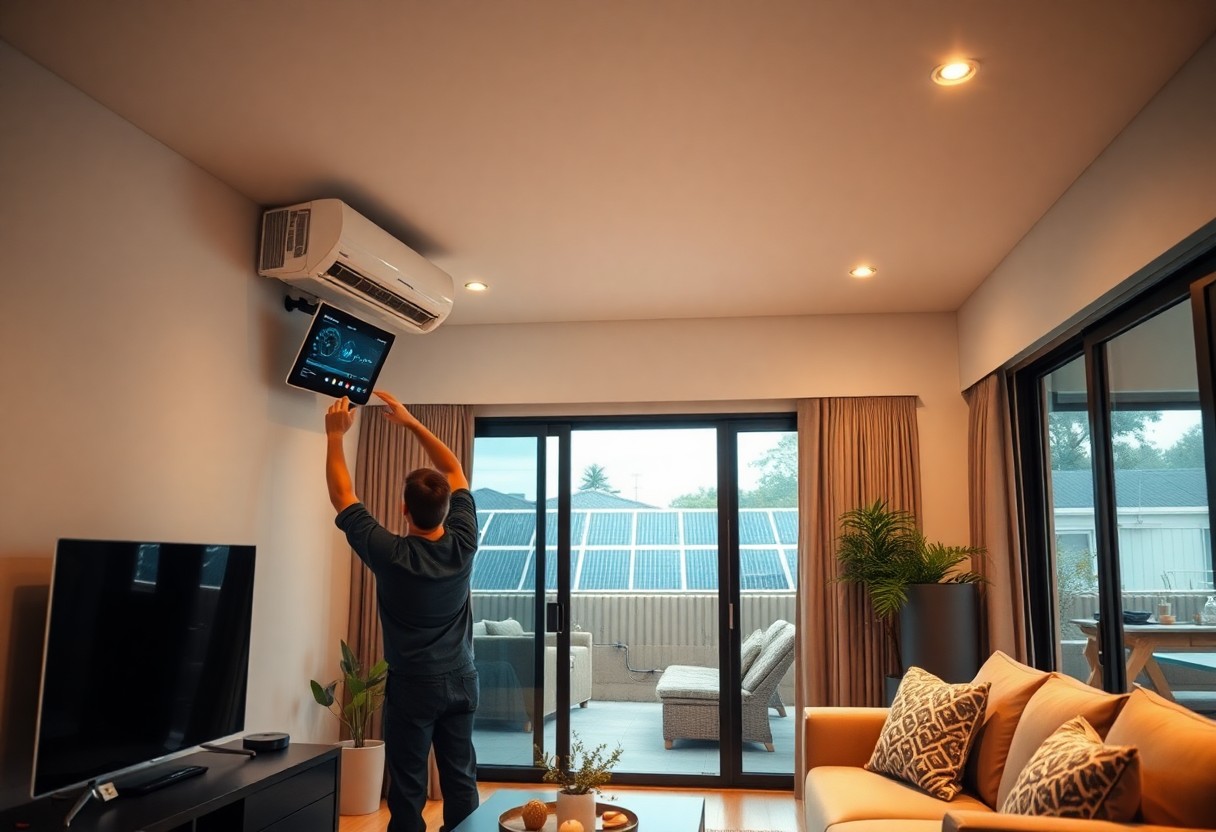
Understanding Energy Efficiency
Energy efficiency in your Toowong property means lowering the energy needed to keep indoor comfort while maintaining performance, by improving insulation, sealing ducts, using inverter compressors, and optimising controls; you can cut HVAC energy use substantially through targeted measures such as roof insulation, window shading and a properly sized, high-COP air conditioner that matches your living patterns.
Importance of Energy Efficiency in Homes
You pay less when your systems run efficiently: cooling can account for up to 40% of summer household energy in Brisbane, so swapping an older fixed-speed unit for a modern inverter or improving attic insulation often reduces bills by 30-50%, improves comfort, and extends equipment life while lowering your carbon footprint.
Factors Affecting Energy Efficiency in Toowong
Local building stock, microclimate and installation quality drive outcomes in Toowong: many older Queenslander and post-war homes have single-skin walls, timber floors and limited insulation, while newer apartments face solar gain through north-facing glazing-each factor changes load calculations, system sizing and the effectiveness of measures you choose.
- Building fabric: lack of ceiling or wall insulation and single-skin construction increases cooling loads notably.
- Solar orientation and glazing: large north- and west-facing windows can add 1-3 kW to peak cooling demand on hot afternoons.
- Equipment and installation: oversized or undersized systems and leaky ductwork commonly raise energy use by 10-30%.
- Thou should prioritise a professional energy audit to quantify these losses and target the highest-return upgrades.
Digging deeper, shading and reflective surfaces matter: installing eaves, external blinds or reflective roof paints can lower internal peak temperatures by several degrees, cutting run time; sealing ducts and balancing airflow often recovers 10-25% system efficiency, and pairing a correctly sized inverter unit with a smart thermostat yields measurable savings in both multi-level Queenslanders and contemporary Toowong apartments.
- Behavioural factors: setpoints, occupancy patterns and appliance use can swing monthly bills by 15-25% without hardware changes.
- Controls and zoning: adding zoning or smart thermostats lets you target conditioned spaces, reducing wasted conditioning of unused rooms.
- Thou must ensure installers commission systems (static pressure, refrigerant charge, airflow) to achieve rated efficiencies.
Overview of Air Conditioning Services
You receive a full suite of services in Toowong: professional load calculations, system selection (inverter vs fixed-speed), precise refrigerant charging, duct sealing and zoning, plus energy audits that often identify 10-30% savings opportunities; technicians also offer smart thermostat integration and rebate guidance to tie installations to efficiency incentives.
Types of Air Conditioning Systems
You commonly encounter five system types: single-split for individual rooms, multi-split for multiple zones, ducted systems for whole-house comfort, VRF/VRV for commercial-grade zoning, and evaporative coolers for low-humidity homes-installation cost ranges from about $800 for a basic split to $10,000+ for a ducted three-bedroom setup.
- Split systems: low upfront cost, high seasonal efficiency when matched to room size.
- Multi-split: flexible zoning for apartments, reduces simultaneous peak loads.
- Ducted: better whole-house aesthetics and consistent temperatures when ducts are sealed to <5% leakage.
- VRF/VRV: ideal for multi-zone commercial or large homes, with COPs often >4.0 under partial loads.
- Thou should prioritise inverter-driven units and proper sizing to avoid short-cycling and wasted energy.
| Split system | Best for single rooms; SEER ~12-18; cost $800-$3,000 |
| Multi-split | Multiple zones from one outdoor unit; saves space; moderate install cost |
| Ducted | Whole-house solution; ideal for 3+ bedrooms; install $6,000-$12,000 |
| VRF/VRV | High-efficiency zoning for large homes/commercial; COP often >4.0 |
| Evaporative | Low running cost in dry climates; cheaper install but less effective in high humidity |
Benefits of Professional Installation and Maintenance
You gain measurable efficiency: professional commissioning ensures correct refrigerant charge, airflow and controls, which can improve system efficiency by 10-25% versus poor installs; certified installers also maintain warranties and help you access energy-rebate programs.
For example, a Toowong retrofit replaced two 2008 fixed‑speed splits with inverter multi-splits, plus duct sealing and smart thermostats; within 12 months the household reported a 28% drop in cooling energy and roughly $650 annual bill reduction. You also benefit from preventive maintenance that catches failing compressors, degraded heat‑exchangers, or refrigerant leaks early, avoiding costly replacements and preserving peak system COP over the unit’s lifespan.
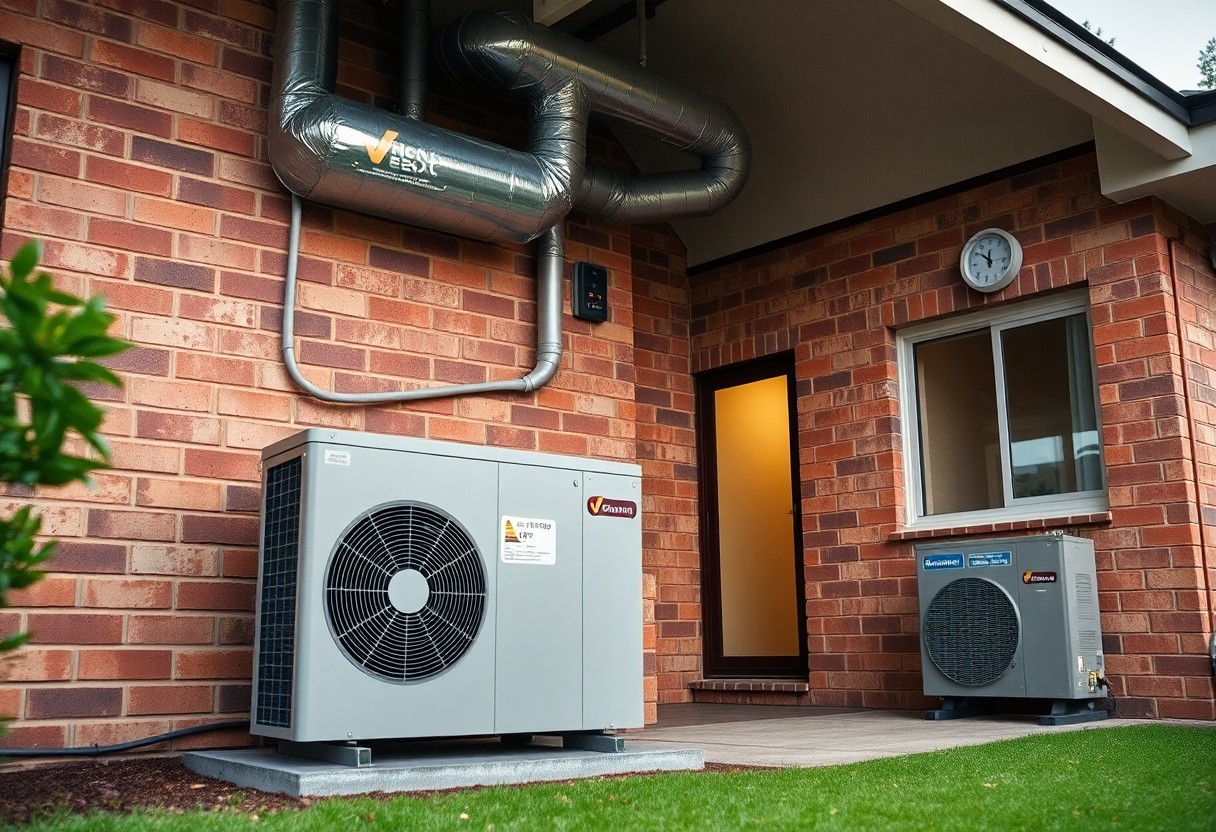
Energy-Efficient Air Conditioning Solutions
Upgrading equipment and controls together delivers the biggest gains: you should target inverter-driven systems with high star ratings, paired with sealed ducting and proper insulation to cut consumption. Inverter models commonly reduce energy use by 20-35% versus fixed-speed units, and selecting a 4-6 star-rated unit plus professional load-sizing prevents the efficiency losses of oversizing. Combining an efficient system with seasonal tune-ups typically lowers running costs by double-digit percentages within a year.
High-Efficiency Systems
You benefit most from systems with variable-speed compressors, high COP/SEER values and quality heat-exchange design; look for models rated 4 stars or higher and inverter technology. Ducted systems can be efficient for larger Toowong homes if ducts are insulated and leakage is under 10%, while multi-split or zoned systems avoid conditioning unused rooms. A professional heat-load assessment ensures the unit capacity matches your home, preventing the 15-25% wasted cycling seen with oversized equipment.
Smart Thermostats and Automation
Smart thermostats give you schedule, geofencing and remote control so your AC runs only when needed; studies commonly show 10-15% cooling savings after installation. Integration with occupancy sensors and zone dampers lets you prioritise living areas during peak times, while adaptive algorithms learn your patterns to reduce runtime. For rentals or strata, central control with user limits prevents excessive setpoints and simplifies demand-management during heatwaves.
Digging deeper, you can link smart thermostats to time-of-use tariff signals and local weather feeds so your system pre-cools during cheaper periods and avoids expensive peaks, often cutting peak bills noticeably. You should also enable alerts and analytics to spot rising runtime or stuck dampers-early detection of issues like refrigerant loss or faulty fans can prevent a 10-20% efficiency decline. In mixed-use properties, zoning schedules plus remote overrides keep tenants comfortable without ballooning energy costs.
The Role of Regular Maintenance
Scheduling routine servicing keeps your system running near its rated efficiency, often restoring 5-15% performance and preventing premature component failure; Brisbane technicians typically recommend an annual full service plus filter checks every 1-3 months to sustain savings and reliability.
Impact on Energy Consumption
When you maintain filters, coils and refrigerant charge, you avoid the 5-15% energy penalty caused by clogged airflow and the additional 10-20% loss seen with dirty coils or undercharged systems, which in a mid-sized home can translate to several hundred dollars saved on annual cooling costs.
Common Maintenance Practices
You should replace or clean filters every 1-3 months, arrange an annual professional inspection, clean evaporator and condenser coils, verify refrigerant charge and thermostat calibration, seal and insulate ducts, and clear condensate drains; larger or commercial systems often need biannual checks.
During a professional visit technicians typically perform refrigerant leak tests and measure superheat/subcooling, check amp draw and motor bearings, clean coils with approved detergents, verify airflow using anemometers or manometers, and test controls; these diagnostics can reveal issues such as a 10-20% airflow loss from blocked coils or a refrigerant shortfall that reduces capacity, allowing you to prioritise repairs that restore efficiency and extend equipment life.
Renewable Energy Integration
Integrating rooftop solar, battery storage and smart HVAC controls can cut Toowong cooling bills dramatically; for example, a 6.6 kW solar PV system paired with a 13.5 kWh battery (Tesla Powerwall size) can supply most daytime AC demand, reducing grid consumption and peak charges while smoothing load for multi-unit buildings with timed cycling and export management systems.
Solar Power Options
You can choose 3-6.6 kW residential arrays to offset daytime cooling, or larger 10 kW+ setups for dual households; combine with string or hybrid inverters, and consider microinverters on shaded roofs-installers often model expected generation in Toowong using local irradiance, showing 50-70% daytime cooling coverage from a 5-6.6 kW system.
Incentives for Energy-Efficient Upgrades
You can access the Small-scale Renewable Energy Scheme (STCs) to reduce upfront solar costs, and many Brisbane installers bundle rebates into quotes; additionally, feed-in tariffs and retailer offers often pay for exported energy, typically ranging from low cents up to around 15c/kWh depending on your plan.
For businesses and landlords you should also check federal tax incentives and state grants-STCs often cut thousands off a system, and council or retailer programs periodically offer interest-free loans, point-of-sale discounts, or bonus payments for batteries; have your installer calculate STC entitlement and compare retailer export rates to maximize payback, which for combined solar+battery systems in Toowong commonly falls between 4-8 years depending on usage.
Choosing the Right Service Provider
When deciding on a provider you should verify licences, local experience and measurable outcomes: look for ARC-licensed technicians, QBCC or electrical licence numbers, and manufacturer accreditation (Daikin, Mitsubishi, Fujitsu). Expect response times under 24 hours for urgent faults, written guarantees of 1-5 years on parts and labour, and itemised quotes showing projected kWh savings and simple payback so you can compare real ROI between bids.
Qualities of a Reliable Air Conditioning Service
You want technicians who perform detailed room-by-room load checks, size inverter systems correctly, and provide baseline energy audits with meter-verified kWh figures; dependable firms offer scheduled maintenance plans, NATE or manufacturer training for installers, transparent pricing, customer references from Toowong or nearby Brisbane suburbs, and clear warranties coupled with remote monitoring options for ongoing efficiency tracking.
Questions to Ask Potential Providers
Ask if they will perform a room-by-room load assessment, show recent Toowong case studies, provide an itemised quote with expected kWh reductions, detail warranty terms and response times, confirm ARC/manufacturer certifications, and explain recommended maintenance frequency and costs so you can compare long-term operational expenses, not just upfront price.
Probe further by requesting a sample energy report: ask them to model current vs proposed system energy use (kWh/yr), estimated percentage savings (typical inverter retrofits deliver 20-40% reductions), and payback period in months; additionally, ask for contactable local references, evidence of parts availability, and clarification on whether they subcontract electrical work to ensure accountability and compliance.
To wrap up
As a reminder, when you enlist Brisbane air conditioning services for your Toowong property they assess system sizing, install energy-efficient units, tune refrigerant levels, seal ducts, and program smart thermostats so your system runs optimally; regular maintenance and zoning reduce runtime and peak loads, cutting bills and extending equipment life while helping you meet local efficiency standards and comfort goals.
FAQ
Q: How do Brisbane air conditioning services assess a Toowong property’s energy needs?
A: Brisbane specialists conduct a full energy audit including load calculations, thermal imaging of walls and windows, and inspection of insulation and shading. They evaluate room sizes, occupancy patterns, window orientation, and humidity to determine cooling/heating loads and identify heat gain sources. The audit also reviews existing ductwork, air leakage, and electrical capacity to recommend appropriately sized systems and targeted upgrades that reduce run-time and energy waste.
Q: What system upgrades do services recommend to improve energy efficiency in Toowong homes?
A: Technicians typically recommend inverter-driven heat pumps or high-efficiency split systems with strong SEER/COP ratings, variable-speed compressors and electronically commutated motors. Upgrading to modern refrigerants such as R32 and installing ductless mini-splits for zone control are common suggestions. They also factor in energy star-rated units, correct unit sizing to avoid short-cycling, and adding insulation or reflective films to reduce building heat load.
Q: How does proper installation and ductwork work reduce energy waste?
A: Correct installation includes accurate refrigerant charge, proper airflow balancing, sealed and insulated ducts, and correct placement of indoor/outdoor units to optimise performance. Sealing leaks, replacing damaged ducts, and insulating duct runs prevent conditioned air loss and reduce compressor run time. Commissioning tests-static pressure, airflow, and temperature split checks-ensure the system operates at peak efficiency after installation.
Q: Which maintenance services help keep an air conditioner energy-efficient over time?
A: Routine maintenance covers filter replacement or cleaning, coil and drain line cleaning, fan and motor inspection, refrigerant pressure checks, and control calibration. Detecting and repairing refrigerant leaks, clearing blockages, and verifying thermostat accuracy sustain efficiency and extend equipment life. Scheduled service plans that include seasonal tune-ups and performance reporting help identify declines in efficiency early so corrective action can be taken.
Q: Can Brisbane air conditioning services integrate systems with solar or smart-home tech to lower bills?
A: Yes-services can pair HVAC with rooftop solar, battery storage and smart thermostats to shift cooling to low-cost solar production periods and reduce grid draw during peak tariffs. Integration enables energy monitoring, automated schedules, and demand-response participation to optimise runtime. Technicians can recommend controllers, energy management settings and wiring or inverter compatibility to ensure seamless operation tailored to Toowong’s climate and billing patterns.
