With Brisbane's subtropical climate and New Farm's urban heat you need reliable cooling; Brisbane air conditioning services ensure your home stays comfortable year-round by assessing load, recommending energy-efficient systems, installing quality units, and providing scheduled maintenance to prevent breakdowns. Technicians can optimize zoning, improve insulation, and offer smart controls so you lower bills while maintaining consistent temperatures. Trust certified professionals to tailor solutions to your home's layout and lifestyle.
Key Takeaways:
- Choose a correctly sized, energy-efficient air conditioner to deliver consistent cooling and lower running costs in New Farm homes.
- Schedule regular professional maintenance and filter changes to maintain performance and prevent costly breakdowns.
- Use zoning and smart thermostats to control temperatures room-by-room and reduce energy use.
- Professional installation ensures proper refrigerant charge, airflow balance, and preserves manufacturer warranties.
- Local Brisbane technicians provide fast service and tailored advice on insulation, shading, and ventilation for year-round comfort.
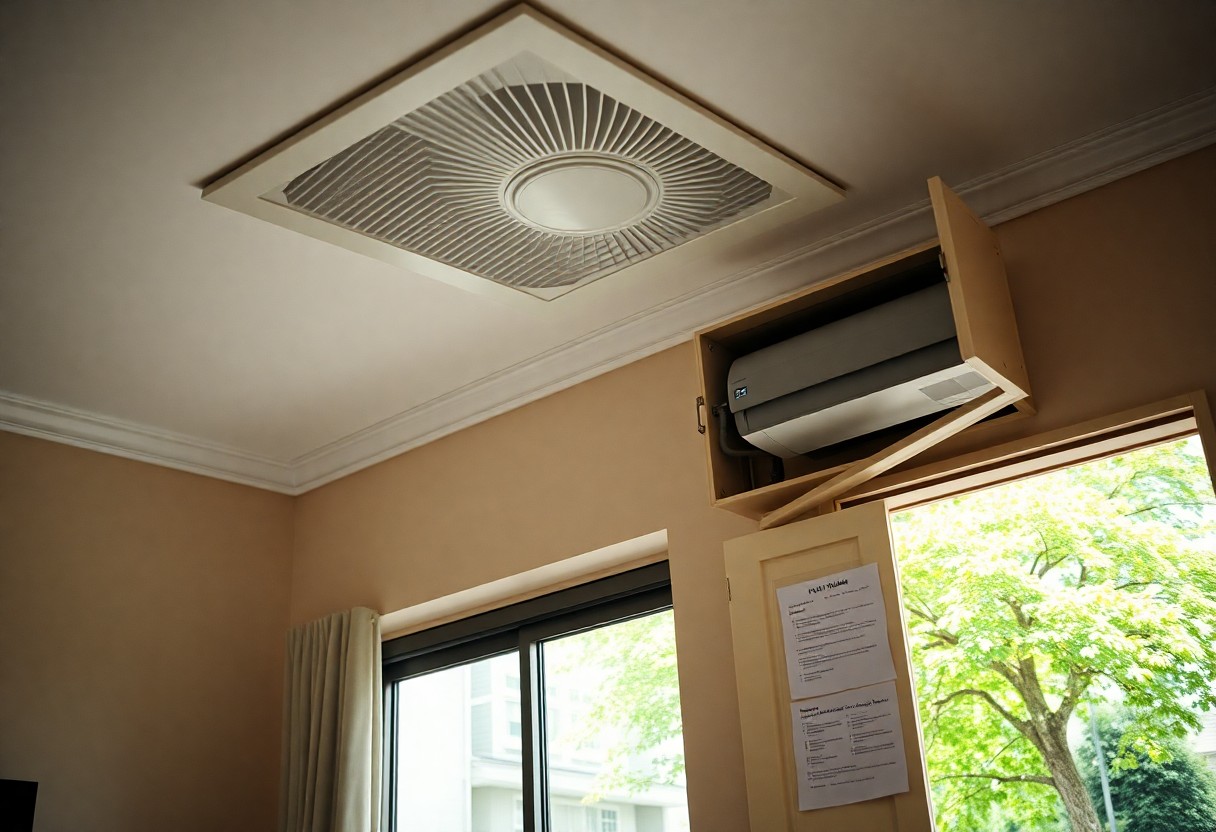
Understanding Air Conditioning Systems
Types of Air Conditioning Units
When selecting units for your New Farm home you'll balance capacity, noise and humidity control: a 3.5 kW split suits a lounge, 5-7 kW units handle open-plan areas, ducted systems cover whole homes up to ~300 m2 with zoning, multi-split serves several rooms from one outdoor compressor, and evaporative coolers reduce running costs in drier months.
- Split systems - single outdoor unit with one indoor head; ideal for individual rooms.
- Multi-split - one outdoor with multiple indoor heads; saves outdoor space and provides room-level control.
- Ducted - whole-house solution with discrete zoning; better for consistent temperature across multiple rooms.
- Packaged/VRF - commercial-grade flexibility and efficiency for larger or multi-zone homes.
- Evaporative coolers - low electricity draw but work best when humidity is lower.
This overview helps you match unit type to room size, layout, humidity and budget when planning installations or upgrades.
| Split system | 3.5-7 kW typical; easy retrofit; low install cost for single zones |
| Multi-split | 1 outdoor, 2-5 heads; saves outdoor footprint; moderate install complexity |
| Ducted | Whole-house control; suited to 150-300 m2 homes; higher install cost, concealed ducts |
| VRF/Packaged | High efficiency for multi-zone; scalable; common in apartments and larger residences |
| Evaporative cooler | Low running cost; effective in low-humidity months; limited dehumidification |
Energy Efficiency Ratings
Energy ratings let you compare units objectively: star labels show comparative annual performance while SEER and EER quantify seasonal and peak efficiency respectively. In practice, a 4-5 star inverter split often consumes 20-35% less electricity than a 2-star model, so choosing higher-rated equipment directly lowers your summer bills.
SEER (seasonal energy efficiency ratio) reflects average seasonal performance-modern inverters commonly rate between ~7 and 10 SEER; EER is measured at a specific outdoor temperature for peak loads; COP expresses heat-pump efficiency (COP 3.0 yields 3 kW cooling per 1 kW input). You can estimate annual cost by multiplying the label's annual kWh by your tariff (for example, 1,200 kWh × $0.35/kWh ≈ $420/year), and local load calculations will ensure the rating translates to real savings in your specific home.
Benefits of Professional Installation
Professional installation delivers measurable gains: a correct Manual J load calculation ensures your unit matches your New Farm home's heat load, avoiding oversize problems that can cut dehumidification and efficiency by 10-20%. Technicians set refrigerant charge and airflow to manufacturer specs, preserving SEER performance and keeping warranty validity. You get precise placement, duct sealing and noise mitigation, which together reduce energy bills and indoor hot spots while protecting your system from premature wear.
Ensuring Optimal Performance
When you have a pro install your system, they balance refrigerant charge, static pressure and airflow to factory tolerances - factors that directly affect cooling capacity and runtime. For example, incorrect charge can lower efficiency by up to 15%, while proper commissioning stabilises room temperatures within about ±1°C. You also benefit from correct thermostat placement, condenser clearance and zoned controls, all of which maintain consistent comfort and reduce cycling that wastes energy.
Longevity of Equipment
Professional installation extends equipment life by preventing common failure modes: running with wrong refrigerant levels, restricted airflow or poorly sealed ducts can shorten compressor life dramatically. Typical well-installed split systems in Brisbane last 12-15 years; poor installs often halve that. You preserve manufacturer warranties and reduce the chance of early, costly replacements by using trained, licensed technicians for setup and commissioning.
Specific steps that lengthen service life include accurate refrigerant charging, precise system sizing, and regular servicing-filters every 3 months, coil cleaning and annual tune-ups. Common failures you avoid are compressor burnout, motor and capacitor failures from excess cycling, and refrigerant leaks due to improper fittings. A New Farm case study showed a professionally installed, commissioned system with annual service lasting 14 years, versus a neighbor's DIY install that needed compressor replacement at year 7; many manufacturers also require certified installation to keep warranties valid.
Maintenance Services for Year-Round Comfort
Your tailored maintenance plan bundles routine filter replacement every 3 months, a comprehensive service every 6-12 months, and targeted tasks like coil cleaning and refrigerant checks to reduce failures. Technicians log refrigerant pressures, airflow and electrical tests, producing a service report; regular servicing can cut energy use by up to 15% and often delays compressor replacement by several years, with typical visits running about AU$130-AU$220.
Regular Check-Ups
You should schedule check-ups every 6 months if you run cooling year-round (annually otherwise); techs calibrate thermostats, measure the evaporator temperature split (aiming for 10-12°C), verify refrigerant charge, inspect electrical connections and test safety controls. A written fault log and recommended actions follow each visit, helping you avoid emergency call-outs and keeping performance aligned with the Manual J design.
Cleaning and Repairs
You'll benefit from coil cleaning, condensate drain clearing and fan maintenance to prevent blockages and corrosion; replace filters every 3 months, clean coils yearly and consider duct cleaning every 3-5 years. Effective cleaning can restore up to 15% of lost efficiency, while common on-site repairs-like replacing capacitors or contactors-resolve the majority of residential faults quickly.
Technicians work to a checklist: isolate power, apply foaming coil cleaner, flush drain lines with enzymatic treatments, measure static pressure and refrigerant charge, then run performance tests. If refrigerant is low they locate leaks and provide repair and recharge estimates. In New Farm's humid, river-adjacent areas you may need coil inspections every six months, as salt and moisture accelerate coil and fastener corrosion.
The Importance of Proper Sizing
Getting the size right means your system will cool consistently, remove humidity and run efficiently-oversized units short-cycle while undersized ones run constantly. You should base decisions on load calculations (Manual J), account for New Farm's urban heat and glazing, and translate results into capacity: 1 ton = 12,000 BTU ≈ 3.5 kW, so matching kW to your calculated load prevents excess wear and wasted energy.
Calculating Home Size and Cooling Needs
You should begin with a room-by-room Manual J estimate that factors floor area, ceiling height, insulation R‑values, glazing type, orientation, shading and occupancy. As a practical rule, use 60-100 W/m² depending on exposure-so a 100 m² home at 80 W/m² needs about 8 kW (≈27,300 BTU/hr). Include internal gains from appliances and people to refine the number rather than relying on rough rules of thumb.
Avoiding Common Sizing Mistakes
Don't size by rule of thumb or just by square metres: installers who ignore window solar load, high ceilings or duct losses end up oversizing or undersizing. You should insist on a full load calculation, factor in infiltration and shading, and consider inverter systems or zoning to match variable loads so you avoid short‑cycling and poor humidity control.
For example, a 3‑bed terrace with large north‑facing glass can add 1-2 kW to the living area load; choosing a fixed‑speed 10 kW unit instead of a properly calculated 8-9 kW inverter often causes rapid on/off cycles and higher bills. You can mitigate this by sealing ducts, improving attic insulation, and selecting variable‑capacity equipment matched to the calculated load.
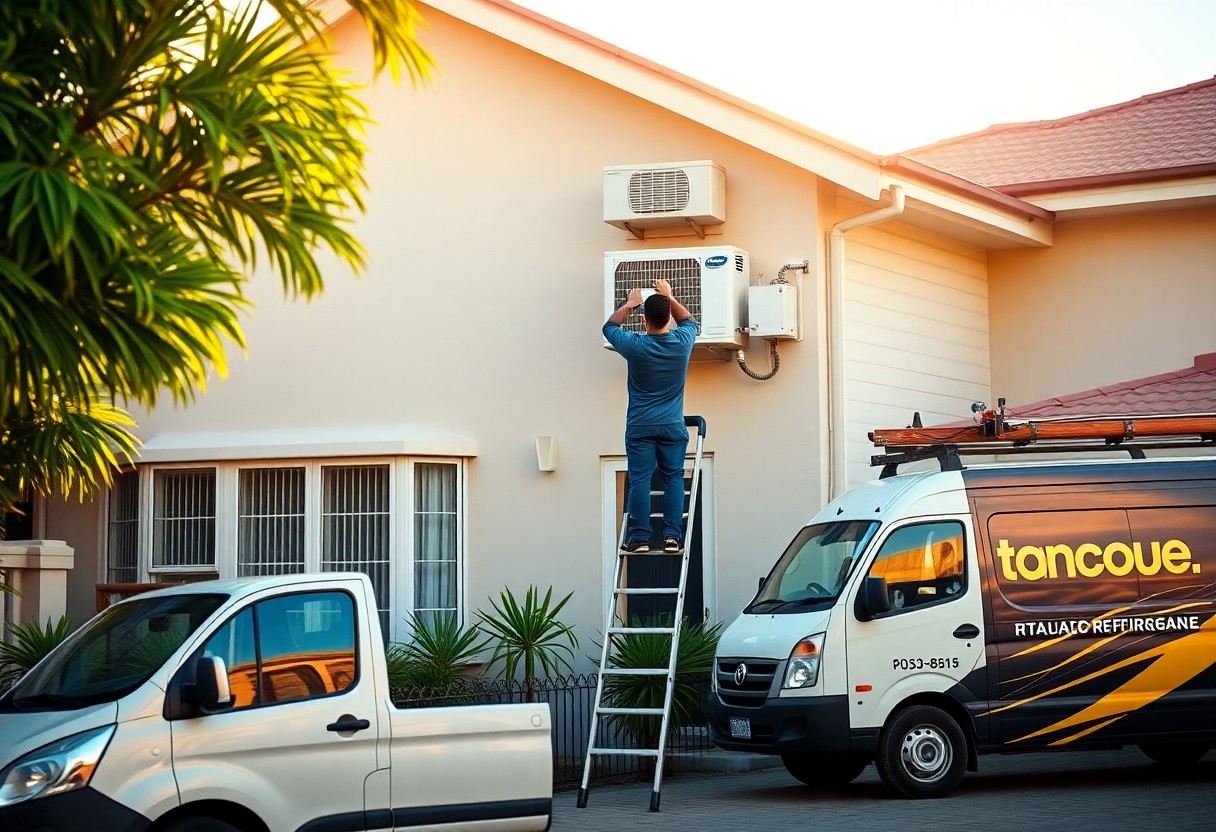
Understanding Brisbane's Climate
Brisbane's subtropical weather delivers hot, humid summers and mild winters, so you'll face average summer daytime highs of 26-30°C with heatwaves exceeding 35°C, and winter night lows around 9-15°C. That range increases peak cooling loads and affects run-times, so your system choice must balance capacity, humidity removal and efficiency for both daytime peaks and warm, sticky nights.
Seasonal Temperature Variations
Summer (Dec-Feb) drives the biggest cooling demand with daily peaks near 28-30°C and nighttime minima often above 20°C, while winter (Jun-Aug) commonly has daytime highs around 20-22°C and cooler nights; you should size primarily for summer peaks but use zoning or variable-speed equipment to avoid wasting energy during milder months and to maintain comfort across seasons.
Brisbane Climate Snapshot
| Summer (Dec-Feb) | Average highs 26-30°C; heatwaves >35°C; RH often 60-80% |
| Autumn/Spring | Transitional temperatures 18-26°C; variable humidity and storms |
| Winter (Jun-Aug) | Daytime highs ~20-22°C; night lows 9-15°C; low heating demand |
| Urban effects | New Farm's density can add 1-3°C via urban heat island; shade and ventilation matter |
Humidity Considerations
High humidity in Brisbane-summer RH commonly 60-80% with dew points around 18-22°C-means your AC must handle latent load as well as sensible cooling; you should prefer inverter-driven, variable-speed systems or units with strong latent capacity, maintain clear condensate drains and coils, and plan for equipment that runs long enough each cycle to effectively remove moisture.
Because moisture, not just temperature, determines comfort and mould risk, target indoor relative humidity of roughly 40-60%; oversized short-cycle units often fail to reach that range since they cool quickly but don't run long enough to condense moisture. You can mitigate this by choosing correctly sized variable-speed or multi-stage systems, adding a whole-home dehumidifier in persistently damp zones (basements, bathrooms, enclosed balconies), and integrating balanced ventilation or ERVs to control incoming humid air. Schedule professional maintenance every 6-12 months to inspect coils, fan speeds and drain pans-consistent airflow and clean coils maintain latent removal and protect indoor air quality.
Smart Thermostats and Home Automation
Smart thermostats let you automate cooling with schedules, geofencing and occupancy sensing so your system runs only when needed; trials and manufacturer data commonly report up to 15% reduction in HVAC energy use. You can also link thermostats to lighting and blinds to reduce solar gain during peak afternoons for steadier indoor temperatures.
Features of Modern Thermostats
Modern units include learning algorithms, room-level occupancy sensors, humidity control, and Wi‑Fi app access with energy reports; many offer ±0.5°C temperature accuracy and compatibility with multi-stage or inverter systems. Open APIs and HomeKit/Google/Alexa support let you integrate thermostats into broader home automation and zoning setups for granular control.
Energy Savings and Comfort
With adaptive schedules and pre‑cooling during off‑peak hours, you can keep your living spaces within 0.5-1°C of setpoint while lowering peak demand; typical owners see 10-20% savings on cooling bills when combining smart controls with efficient equipment. You also reduce temperature swings that stress compressors and shorten runtime.
Pairing a smart thermostat with zoning dampers or a variable‑speed inverter system multiplies benefits: zoning focuses cooling where you are, cutting wasted conditioned space, and inverter modulation reduces short cycling. In practical terms, a small Brisbane terrace using geofencing plus zoning reduced active cooling hours by about 18% over summer trials, translating to noticeable bill reductions and improved overnight comfort.
Summing up
From above, you can see how Brisbane air conditioning services keep your New Farm home cool year-round by providing professional installation, seasonal maintenance, fast repairs and energy-efficient upgrades. They size and zone systems for your layout, optimize ductwork and insulation, and install smart controls so you control comfort and costs. With scheduled servicing and timely component replacement, you get reliable performance, lower energy bills and consistent indoor comfort through Brisbane's hot summers and mild winters.
FAQ
Q: What types of air conditioning systems do Brisbane air conditioning services recommend for a new Farm home to keep it cool year‑round?
A: Local providers typically recommend systems chosen for the home's size, layout and humidity levels: split systems for individual rooms, multi‑split systems for multiroom control, and ducted systems for whole‑home comfort. They will evaluate cooling load (solar gain, insulation, ceiling height, glazing orientation and local climate) and recommend inverter compressors for steadier temperature control and better efficiency. Modern refrigerants (eg R32) and high star‑rated units reduce running costs. For new Farm homes with open plans or multiple zones, a professionally sized ducted system or multiple appropriately sized split units delivers the best balance of comfort and energy use.
Q: How does professional installation by Brisbane technicians affect cooling performance and reliability?
A: Skilled installers ensure correct unit siting, proper refrigerant charge, accurately sized ductwork and sealed joints, balanced airflow and correct condensate drainage. They perform commissioning tests (temperature splits, static pressure, refrigerant pressures) and set up controls and thermostats for optimal operation. Proper installation prevents short‑cycling, reduces noise, preserves manufacturer warranties and maximises system lifespan-all of which keep the home cooler and more reliable across seasons.
Q: What routine maintenance and service plans do Brisbane companies offer to maintain peak cooling performance?
A: Typical plans include regular filter replacement or cleaning, coil cleaning, fan and motor inspections, condensate drain clearing, refrigerant leak checks and system performance tuning before the hot season. Many technicians offer biannual or annual service agreements with priority callouts, seasonal inspections to adjust settings for humidity, and parts/labour options. Regular maintenance reduces energy use, prevents breakdowns during heatwaves and extends equipment life.
Q: How can zoning, ventilation and smart controls from Brisbane services help keep different areas of a Farm home comfortable without high energy bills?
A: Zoning uses dampers, multiple indoor units or separate systems to condition only occupied areas, reducing waste. Smart thermostats and controllers offer scheduling, remote control, adaptive learning, geofencing and humidity setpoints so systems run only when needed. Combined with targeted ventilation (exhaust/ERV systems) and ceiling fans, these controls maintain comfort and minimise runtime, lowering costs while preserving even temperatures throughout the home.
Q: How do Brisbane air conditioning services address humidity and indoor air quality in new Farm homes to improve perceived cooling?
A: Technicians recommend systems sized to handle both sensible and latent loads so AC units remove moisture as well as heat. Options include whole‑house dehumidifiers, AC models with enhanced dehumidify modes, improved filtration (higher MERV, activated carbon or HEPA where appropriate), UV lights for microbial control and balanced ventilation (ERV/HRV) to bring in fresh air without excess moisture. Proper building envelope sealing, insulation and duct cleaning are also advised to prevent mould and condensation that undermine comfort.