Brisbane air conditioning services can help you reduce energy bills in Toowong by combining professional maintenance, correctly sized and efficient units, and smart control installations; technicians diagnose poor insulation, duct leaks, and inefficient settings so your system runs less and costs less, while energy-efficient replacements and regular tune-ups extend equipment life and improve performance-ensuring you pay only for the comfort you need.
Key Takeaways:
- Regular professional maintenance restores efficiency and reduces energy consumption.
- Upgrading to inverter and high-efficiency units can significantly lower electricity bills.
- Correct system sizing and quality installation prevent overworking and wasted energy.
- Smart controls, zoning and combined home-sealing measures amplify savings when paired with AC services.
- Local Brisbane providers offer energy audits, rebate guidance and prompt repairs to help sustain lower bills.
Overview of Brisbane Air Conditioning Services
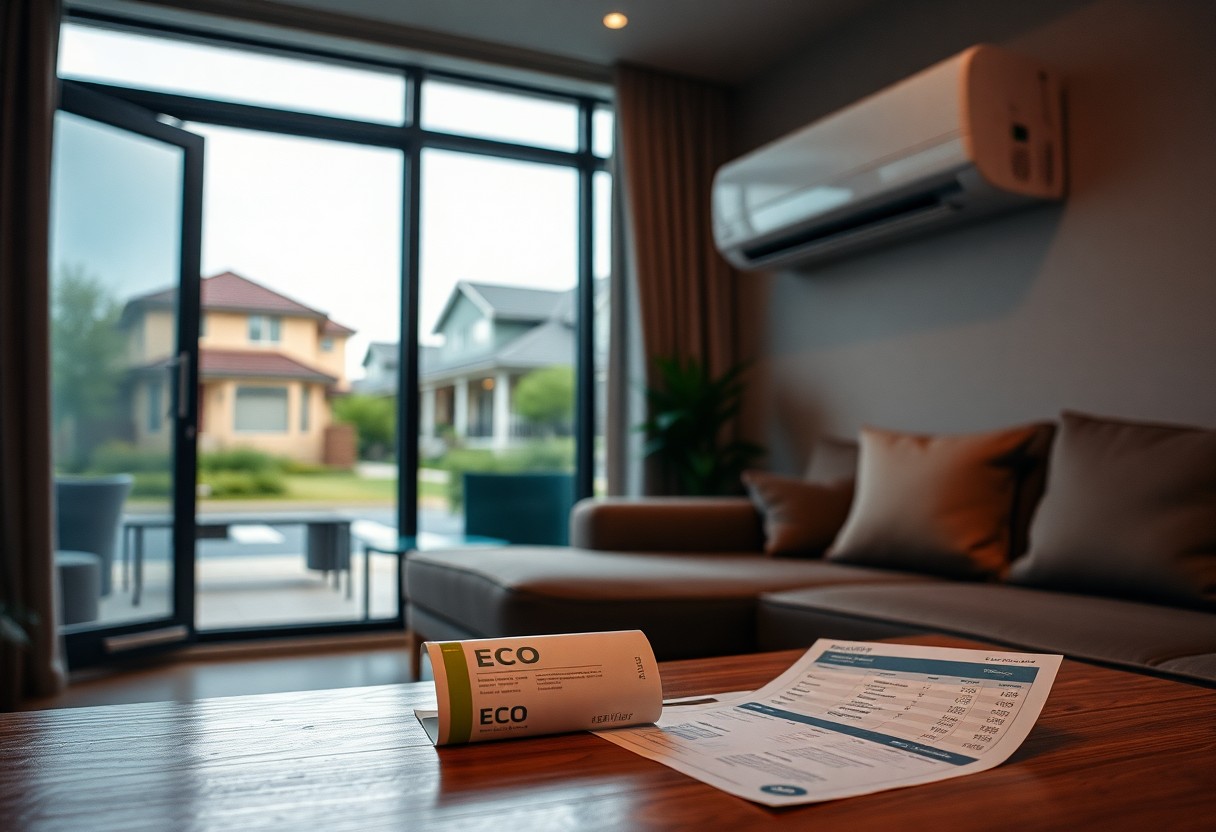
In Toowong, you rely on Brisbane-based air conditioning services for efficient cooling, energy audits and timely repairs; inverter upgrades alone commonly deliver 10-30% reductions in cooling consumption, while scheduled servicing every 6-12 months preserves performance, extends equipment life by several years and helps you avoid expensive emergency replacements.
Types of Services Offered
Providers in the area offer installation, preventive maintenance, repairs, energy audits and duct upgrades; you can expect licensed HVAC technicians to handle correct sizing, refrigerant charging and electrical compliance, with most standard installs completed in 4-8 hours.
- Installation of split systems, ducted units and multi-head inverters with correct sizing and star-rated selection.
- Preventive maintenance: filter changes, coil cleaning and biannual tune-ups to maintain efficiency.
- Repairs and same-day fault diagnosis for issues like compressor failure or refrigerant leaks.
- Energy audits and thermal imaging to pinpoint losses and estimate savings (typically 10-30%).
- Thou should prioritise seasonal servicing to keep warranties valid and optimize savings.
| Installation | Split, ducted and inverter systems; typical install 4-8 hours; correct sizing is vital. |
| Maintenance | Biannual service, filter replacement, coil clean; extends life by 3-5 years on average. |
| Repairs | Same-day diagnostics, compressor and refrigerant repairs; reduces emergency replacement costs. |
| Energy audits | Thermal imaging, load calculations; can reveal 10-30% potential savings. |
| Ductwork & upgrades | Sealing and insulation; improves airflow and can cut losses by up to 20%. |
Benefits of Professional Installation
When you choose professional installation, technicians ensure correct unit sizing, proper refrigerant charge and compliant electrical work, which typically translates to 10-30% lower energy use versus poorly installed systems; many installers offer 5-10 year warranties and post-install commissioning to verify measured performance.
Field experience shows that an undersized or oversized unit can raise your running costs by up to 25% and shorten lifecycle by several years; proper commissioning-verifying airflow, refrigerant pressure and electrical load-helps you achieve rated efficiency and reduces breakdown risk. You gain documented test reports for warranty activation, and combining a high-efficiency inverter system with duct sealing and smart controls can commonly deliver $200-$500 in annual savings for suburban homes.
The Efficiency of Modern Air Conditioning Systems
Inverter compressors and variable-speed fans let modern systems modulate output so you use only the energy needed; units with SEER ratings of 16-26 and COPs above 4 can reduce cooling consumption by 20-40% compared with older fixed-speed models. If you replace a decade-old system with a 5-star inverter split and add zoning or a smart thermostat, you could typically lower monthly cooling costs by around 20-30%, especially during Toowong's peak summer periods.
Energy-Efficient Models Available
Inverter split systems, reverse-cycle heat pumps and multi-split units are the most efficient options for suburban homes, often delivering SEER 18+ and steady part-load performance. You can pair these with smart thermostats, occupancy sensors and variable-speed fans to cut idling losses; for example, combining a 5-star heat pump with thermostat scheduling and ceiling fans commonly reduces household HVAC energy use by 15-30% versus older single-speed installations.
Importance of Regular Maintenance
Keeping filters clean, coils clear of debris and refrigerant at the correct charge helps your system operate near rated efficiency-tasks you can perform every 1-3 months plus an annual professional tune-up that typically restores 5-15% of lost performance. You'll also reduce the risk of mid-season failures and maintain better indoor air quality, so scheduled maintenance directly protects your energy bills and comfort in Toowong's climate.
During a full service your technician will check refrigerant pressures, clean evaporator and condenser coils, clear condensate drains, test fan motors and recalibrate thermostats; you should change or wash filters monthly during heavy use and keep about 50 cm clearance around the outdoor unit to preserve airflow. Addressing leaky ducts and adding insulation can cut distribution losses by 10-30%, and industry data shows routine servicing often pays for itself within 1-2 seasons through lower bills and fewer repairs-so book maintenance before the hottest months arrive.
Cost Savings and Energy Bills
Expected Savings for Toowong Residents
Replacing a 10‑year‑old non‑inverter split system with a modern 4-6 star inverter typically reduces cooling energy by 25-35%. For example, if your home used 3,000 kWh/year for cooling, a 30% cut equals 900 kWh saved - about $315/year at $0.35/kWh - and often $200-$500 in real bills after maintenance and controls are factored in. Local installers report payback times of 3-7 years depending on usage and rebates.
Impact of Seasonal Usage
Summer months (Dec-Feb) drive most of your cooling cost in Toowong, often representing up to 60% of annual cooling hours; running an A/C eight hours daily versus four can double monthly bills. You lower seasonal spend by using setpoints of 24-26°C, ceiling fans, and zoning so you only cool occupied rooms, which can cut peak summer consumption substantially and smooth your monthly electricity spikes.
Pairing a high‑efficiency system with rooftop solar commonly offsets 20-60% of daytime cooling demand in Toowong, while raising your setpoint by 1°C can reduce cooling energy roughly 5-10% depending on insulation and thermal mass. Also focus on correct system sizing, duct sealing and external shading - a well‑sized inverter with proper shading can reduce seasonal bills far more than frequent short cycles from an oversized unit.
Environmental Considerations
You can cut both energy bills and emissions by addressing how much cooling you use: air conditioning often accounts for around 25-30% of a Brisbane household's summer electricity. Upgrading to inverter-driven, high-efficiency systems and using smart controls typically reduces running energy by 20-40%, while correct sizing and insulation prevent wasted cycles. In practice, swapping an old non-inverter unit for a 5‑star inverter can lower annual cooling demand by up to 30%, directly shrinking your household's carbon output and peak-grid draw.
Reducing Carbon Footprint
You reduce CO2 simply by lowering kWh consumption because Queensland's grid intensity sits roughly between 0.6-0.8 kg CO2e per kWh; saving 1,000 kWh a year therefore cuts about 600-800 kg CO2e. Small changes-raising your thermostat by 1-2°C, using fan boost instead of lower thermostat settings, and scheduling off-peak operation-translate into measurable emission reductions you can track on bills or with a home energy monitor.
Sustainable Practices in Air Conditioning
You should prioritize inverter technology, correct system sizing, timely filter and coil maintenance, and smart thermostats; inverter systems commonly deliver 20-40% energy savings versus older fixed-speed units. Pairing efficient split systems with rooftop solar often shifts 40-70% of daytime cooling load off the grid in Toowong homes, and zoning lets you cool only occupied areas to magnify those savings.
Delving deeper, choose units using lower‑GWP refrigerants (for example, R32 has a GWP near 675 versus R410A at about 2,088), schedule professional tune-ups to regain 5-10% efficiency lost to dirty coils, and seal or insulate ductwork to prevent 10-20% distribution losses. You can also adopt demand-shift strategies-pre-cool during solar production or off-peak tariffs-and recycle or responsibly dispose of old systems to avoid fugitive refrigerant emissions, all of which compound into significant cost and emissions reductions over the system's lifetime.
Case Studies: Toowong Residents' Experiences
You can see clear patterns in local outcomes: families who upgraded to right-sized inverter systems and improved controls report measurable savings, while older ducted systems without sealing often underperform. Below are specific, numbered case studies with installation details, measured energy use and payback estimates so you can compare realistic outcomes against your own home profile.
- 1) 3‑bed terrace (Smiths) - Installed 7.1 kW inverter split, Mar 2023; pre-upgrade quarterly electricity $480, post-upgrade $330 (−31%); average run 6.5 hrs/day; install cost $2,900; annual saving ≈ $600; projected payback 4.8 years.
- 2) 2‑bed unit (Nguyen) - Replaced 10‑year-old 3.5 kW fixed‑speed with 5 kW inverter, Aug 2022; monthly summer bill fell from $160 to $110 (−31%); noise level down 6 dB; install + smart thermostat $2,100; measured COP improvement ~18%.
- 3) 4‑bed highset (O'Connor) - Upgraded ducted system with new 12 kW unit and duct sealing, Feb 2024; seasonal cooling energy dropped from 1,120 kWh to 780 kWh (−30%); sealing reduced leakage by an estimated 22%; total project $9,800; payback ~6 years via energy savings and increased comfort.
- 4) Small apartment (Patel) - Mini‑split added 3.5 kW unit, Dec 2023; pre-install portable A/C usage cost ~$95/month; post-install combined bill $58/month (−39%); install cost $1,350; you recover cost in ~2.6 years during heavy cooling months.
- 5) Heritage house (Lewis) - Installed zoned systems and added attic insulation, Jun 2023; whole‑home quarterly bill fell from $720 to $520 (−28%); peak demand reduced 1.8 kW; combined upgrade cost $7,200; household reported fewer peak‑time spikes and reduced HVAC cycling.
Success Stories
You'll notice the fastest wins come when systems are correctly sized, controls are modernised and simple fabric improvements are added; several Toowong households cut cooling energy by roughly 28-39% after switching to inverter technology and adding targeted insulation or duct sealing, with typical payback windows between 2.5 and 6 years depending on upfront cost and usage patterns.
Challenges Faced
You should expect some setbacks: high upfront costs, poorly matched system sizing, and existing duct leakage often limit savings, while scheduling installs during peak season can delay benefits; a few residents saw only 10-15% reductions because these factors weren't addressed.
Digging deeper, you'll find the main barriers are financing and installation quality. Several cases where savings under‑delivered involved units sized by rule‑of‑thumb rather than a load calculation, or installers who didn't seal ducts or advise on thermostat strategy. You can reduce risk by obtaining at least three detailed quotes, checking installer references, asking for load‑calculation reports and factoring in available rebates; that approach consistently improved measured outcomes in the Toowong examples above.
Choosing the Right Air Conditioning Service
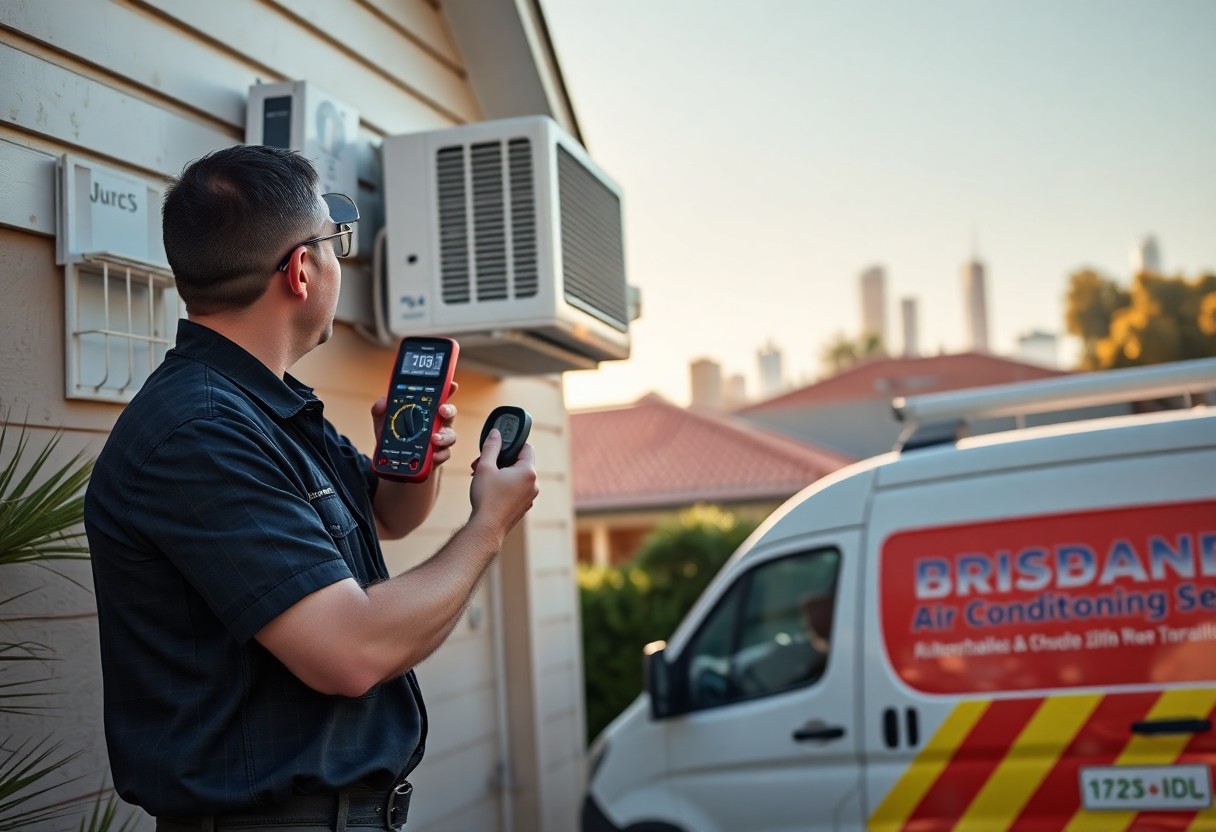
You should prioritise service providers who are licensed, offer energy‑efficiency audits and can size systems to your Toowong home. Typical service‑call fees run about $100-$150, while installing a 5 kW split system commonly costs $2,000-$3,800 depending on ducting and access. Ask for written quotes with projected running costs, warranty details and references from nearby suburbs such as Paddington.
Factors to Consider
When comparing companies, look for technician qualifications, energy‑rating expertise, response times and transparent pricing. Seek providers offering inverter technology, proper sizing (kW) and seasonal performance data. Request references showing measured bill reductions or case studies in similar Brisbane homes.
- Licencing and insurance - ensure technicians hold appropriate electrical and air‑conditioning licences and carry public liability insurance.
- Energy efficiency - compare star ratings, inverter technology and estimated annual running costs on quotes.
- Service frequency - check availability of 6-12 month maintenance plans and prompt emergency repairs.
- This should be validated by requesting past invoices, performance data or a short monitored run to compare consumption before you commit.
Recommendations for Toowong Residents
Choose inverter split systems sized correctly: bedrooms typically 2.5-3.5 kW, living areas 5-7 kW for Toowong homes with high ceilings. Set cooling to 24-26°C and schedule servicing every 6-12 months. Obtain at least two competitive quotes and prioritise suppliers who provide estimated annual kWh and running‑cost comparisons.
Prioritise local installers familiar with Toowong's mix of timber Queenslanders and newer apartments; ask them to perform a proper load calculation (not just rule‑of‑thumb sizing) and to model annual kWh. Expect correctly sized inverter installations with regular servicing to cut energy use roughly 15-30% versus older fixed‑speed systems, depending on usage and insulation.
To wrap up
With this in mind you can see that Brisbane air conditioning services are helping Toowong residents lower energy bills by recommending correctly sized, high-efficiency systems, performing regular servicing, optimizing controls and advising on insulation and zoning; when you choose licensed technicians who provide energy audits and install smart thermostats, your system runs more efficiently and your bills drop, especially when you combine upgrades with routine maintenance.
FAQ
Q: Are Brisbane air conditioning services helping Toowong residents save on energy bills?
A: Yes. Local Brisbane air conditioning companies are installing higher-efficiency systems, upgrading old units to inverter-driven and high SEER models, and optimizing system sizing and placement for Toowong homes. Combined with professional commissioning and proper insulation guidance, these measures reduce runtime and peak demand, which lowers household energy consumption and electricity costs.
Q: What specific services do technicians offer that directly reduce energy use?
A: Technicians provide energy-saving services such as heat-load assessments, correct system sizing, installation of inverter and reverse-cycle units, duct sealing and insulation, replacement of dirty or inefficient filters, refrigerant charge checks, thermostat and zoning setup, and smart control integration. Regular maintenance and timely repairs restore original efficiency and prevent energy-wasting problems like refrigerant leaks or blocked airflow.
Q: How much can residents realistically expect to save after upgrades or maintenance?
A: Savings vary by starting point: replacing an old non-inverter unit with a modern high-efficiency inverter system can cut cooling-related energy use by 20-40% in many cases. Routine maintenance and duct sealing typically yield single-digit to low-double-digit percentage savings. Actual reductions depend on home size, insulation, usage patterns, and local electricity tariffs, so an on-site assessment provides the best estimate.
Q: Are there financial incentives or tariff options in Brisbane that help make upgrades more affordable?
A: Yes. Residents can often access manufacturer rebates, retailer promotions, seasonal discounts, and occasional local or state energy-efficiency incentive programs. Additionally, switching to off-peak or time-of-use tariffs and using smart scheduling can lower bills by shifting consumption away from high-cost periods. Service providers can advise on current offers and tariff strategies that suit Toowong households.
Q: How should Toowong residents choose an air conditioning service to ensure energy savings?
A: Select licensed, experienced providers that perform free or low-cost energy audits, provide detailed quotes with efficiency ratings (SEER/EER), and recommend right-sized systems rather than upsized units. Check past customer reviews, confirm warranty and service packages, and ask for demonstration of smart control features and post-install commissioning. Choose companies that offer follow-up maintenance plans to sustain efficiency gains over time.