Just by combining proper system sizing, regular professional servicing and energy-smart upgrades, Brisbane air conditioning services help you maintain consistent comfort in your New Farm home all year. Technicians assess your layout, install efficient units, optimize zoning and controls, perform timely repairs and clean filters to prevent breakdowns, and advise insulation or shading improvements so your system runs cost-effectively while you enjoy reliable, tailored cooling.
Key Takeaways:
- Professional sizing and installation ensure the right-capacity, energy-efficient system and proper placement for Brisbane’s heat and humidity.
- Scheduled maintenance-filter and coil cleaning, refrigerant and condensate checks-keeps performance high and prevents breakdowns.
- Zoning and smart thermostats provide targeted cooling, reduce run time, and maintain consistent comfort across rooms.
- Home improvements (insulation, sealing, external shading, ceiling fans) lower cooling load and improve system effectiveness.
- Prompt repairs, seasonal tune-ups, and guidance on efficient upgrades and local rebates extend equipment life and cut running costs.
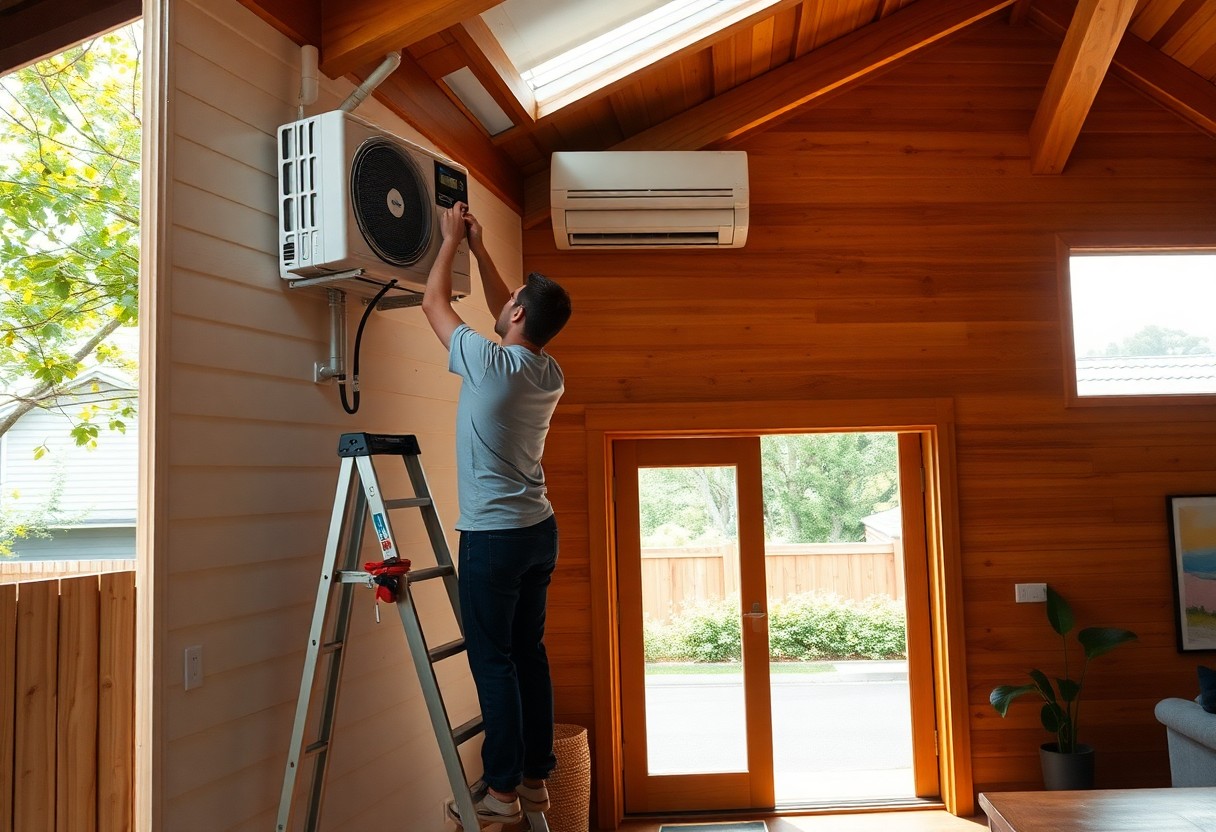
The Importance of Air Conditioning in Brisbane
Your air conditioning does more than cool air; it stabilises indoor humidity, protects timber fittings in older New Farm homes, and keeps living spaces within a comfortable 22-25°C range during summer. High humidity above 60% promotes mould and dust-mite activity, so quality cooling with dehumidification preserves indoor air quality and extends furniture and paint life, while also reducing health-related costs for allergy or asthma sufferers.
Climate Considerations
Brisbane’s subtropical summers average 29-30°C with humidity often 60-80% and occasional peaks above 35°C, so you need systems that prioritise dehumidification and capacity. Aim for correct sizing - bedrooms commonly require 2.5-3.5 kW units, living areas 5-7 kW - and factor in glazing, north-facing rooms, and limited roof insulation when calculating loads to avoid short-cycling or oversized systems.
Energy Efficiency and Cost Savings
You save most by choosing high-efficiency inverter systems and 5-6 star rated units; inverter tech can cut energy use by roughly 30-50% versus fixed-speed compressors. Proper installation, correct sizing and sealed ductwork typically reduce running costs by another 10-20%, and routine filter and coil care preserves that performance so your bills don’t creep up as the system ages.
For deeper savings, implement zoning and smart controls so you cool occupied rooms only, and set thermostats to 24-25°C when home to balance comfort and cost. Regular maintenance - cleaning filters every 1-3 months and annual coil servicing - can improve efficiency by 5-15%. In practice, many Brisbane installers report households replacing decade-old, low-star units with modern inverter, 5-6 star systems saw summer cooling bills fall by around 30-40%, especially when combined with attic insulation and external shading.
Types of Air Conditioning Systems
You’ll encounter five common systems in New Farm homes-split, ducted, multi‑split, evaporative and portable-each with different installation footprints, running costs and performance in humid subtropical conditions. Split units typically deliver 2.5-7 kW to individual rooms; ducted systems cover whole houses at 6-20 kW with zoning; multi‑split links multiple indoor units to one outdoor; evaporative suits drier weather; portables handle single rooms. Perceiving the trade‑offs helps you match capacity, efficiency and budget to your floorplan.
- Split: you control individual rooms and cut running costs when cooling selectively.
- Ducted: you get whole‑house comfort with hidden ducts and simple zoning.
- Multi‑split: you serve several rooms from one outdoor unit to save space.
- Evaporative: you lower temperatures affordably in dry spells but performance drops with humidity.
- Perceiving your daily patterns and peak loads steers the best system choice.
| Split system | 2.5-7 kW; ideal for 1-3 rooms; inverter models reduce energy use ~20-30% |
| Ducted system | 6-20 kW; whole‑house coverage; best for 3+ bedroom homes with ceiling void |
| Multi‑split | One outdoor to up to 5 indoor units; flexible room control without multiple compressors |
| Evaporative cooler | Low running costs in dry weather; limited effectiveness above ~60% relative humidity |
| Portable unit | 2-3 kW; low upfront cost; suited to single rooms or temporary cooling |
Split Systems
You’ll favour split systems when you need targeted cooling: typical capacities are 2.5-7 kW and installation for a single room often ranges $900-$3,000 depending on inverter tech and labour. You can mount multiple indoor units to serve separate zones, control each independently with remote or app, and expect high‑efficiency models to achieve COPs above 3.5-4.0, trimming summer bills in Brisbane.
Ducted Systems
You pick ducted systems when whole‑house comfort and aesthetics matter: residential units usually range 6-20 kW and installed costs for a 3-4 bedroom New Farm home sit around $6,000-$12,000. You get even airflow via ceiling ducts, programmable zones to avoid cooling unused rooms, and inverter compressors that lower run‑time while maintaining set temperatures across open‑plan living areas.
When planning ducted installs you need to check ceiling void depth (typically 200-300 mm minimum), available roof space and insulation levels; poorly sealed ducts can lose 10-20% of output, so you should specify insulated, insulated flex or rigid ducts and motorised damper zoning-splitting living and bedroom areas can cut running costs by up to 25-30% versus whole‑house mode, and annual servicing (around $150-$250) preserves efficiency and airflow balance.
Benefits of Professional Air Conditioning Services
Professional service gives you precise load calculations, correct equipment selection, and installation that matches Brisbane's subtropical demands-often specifying 3-5 kW split systems for smaller apartments or 6-8 kW ducted solutions for larger homes. That accuracy reduces energy use, prevents short‑cycling, maintains even temperatures across rooms, and keeps your manufacturer warranty valid.
Installation Expertise
Your installer will optimise equipment placement, duct routing, and refrigerant line lengths, charge refrigerant to manufacturer pressures, and verify electrical connections to AS/NZS standards. They balance airflow (CFM/L·s) through proper duct sizing, locate outdoor units to minimise heat re‑entry, and commission inverter controls so your system holds setpoints with fewer cycles and lower running costs.
Regular Maintenance
You should clean or replace filters every 1-3 months and book a professional service at least annually, ideally before summer. Technicians inspect refrigerant charge, clear condensate drains, clean coils, test thermostats, and measure airflow to manufacturer specs so your unit runs efficiently and reliably when temperatures peak.
During a full service, technicians measure suction and discharge pressures, compare measured airflow and temperatures against spec, and address faults like leaking fittings or failing capacitors; coil cleaning and correct refrigerant charge can restore up to 10-15% of lost cooling capacity, while timely component replacement often prevents mid‑season breakdowns and extends system life.
Tips for Choosing the Right Air Conditioning Service
You should prioritize measurable things: response time (24-48 hour emergency windows), written, itemized quotes, and clear warranty terms (many compressors carry 5-10 year warranties). Check that the company sizes systems by room area and kW rather than giving generic recommendations; ask for projected energy savings-up to 30-40% is typical when replacing old fixed-speed units with modern inverter systems in Brisbane homes.
- Request an itemised written quote with timelines
- Confirm refrigerant-handling licence and public liability insurance (commonly $10M)
- Ask for manufacturer certifications (Daikin, Mitsubishi, Fujitsu) and recent installation photos
- Verify after-service maintenance plans and response SLAs
Any reputable provider will supply licence numbers, a clear warranty schedule, and at least two recent local references.
Credentials and Experience
You should verify technicians hold a current refrigerant-handling licence and public liability cover (typically $5-10M); aim for teams with 5+ years local experience and 30-50 installs per year, which often correlates with fewer callbacks. Ask for manufacturer training certificates-companies trained by Daikin or Mitsubishi usually follow branded installation standards that protect warranties, and technicians who log regular factory courses tend to diagnose issues faster.
Customer Reviews and Testimonials
You should scan Google, Facebook, ProductReview and local community pages for at least 20 reviews and an average rating above 4.2; focus on repeat themes like punctuality, clear pricing, and neat workmanship. Pay attention to recent feedback (last 12 months) and how the company responds to negative comments-prompt, professional replies indicate reliable aftercare.
Dig deeper by requesting two or three references from projects similar to your New Farm home (Queenslander, terrace or unit) completed in the past 6-12 months; contact those homeowners about adherence to timelines, final energy bills versus estimates, and whether the installer honored warranty repairs without dispute.
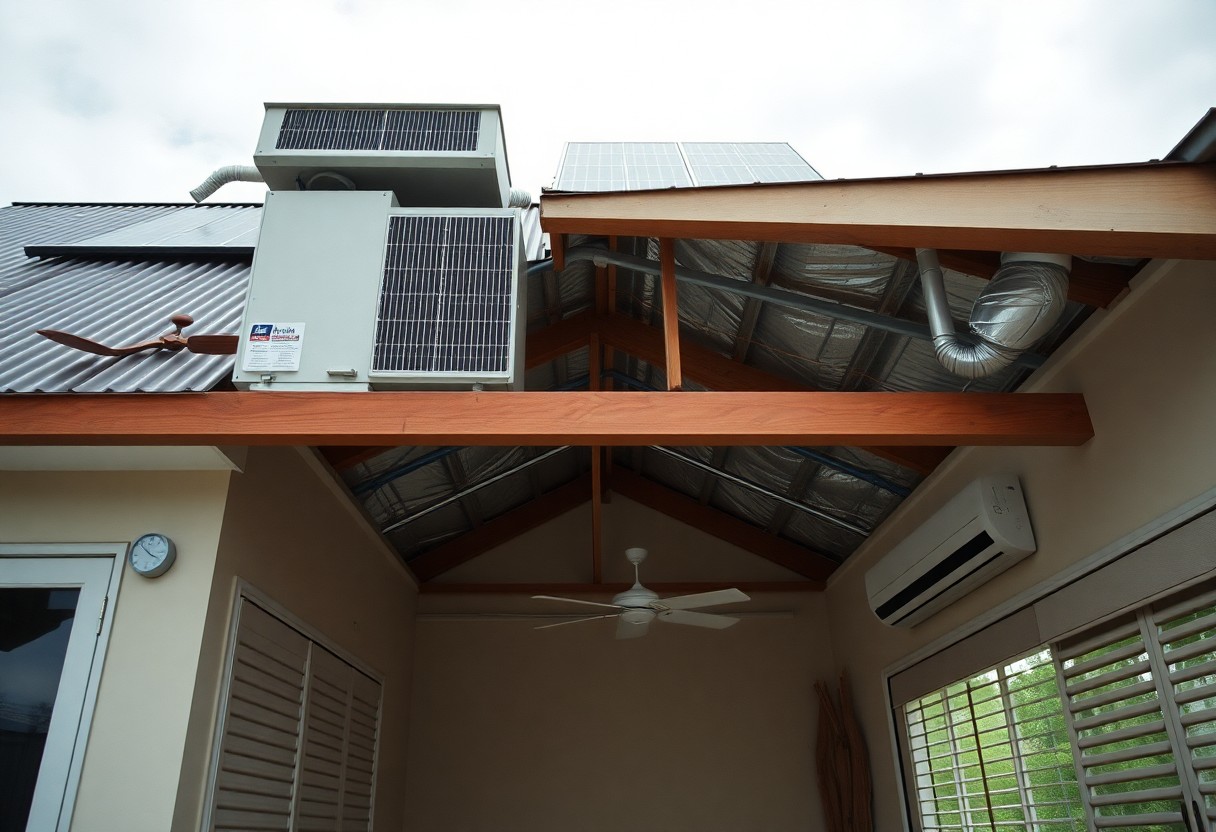
Seasonal Air Conditioning Strategies
You should plan seasonal tweaks to keep performance high and bills low: set summer cooling to 24-26°C and winter heating to 18-20°C, replace filters every 1-3 months depending on use, and schedule professional servicing at least once a year (twice for ducted systems). Use shading and ceiling fans to reduce compressor runtime, and track energy use-many Brisbane homes cut costs 10%+ by combining thermostat setbacks with regular maintenance.
Preparing for Summer Heat
You can avoid peak-season breakdowns by booking a pre-summer service in October or early November to check refrigerant, clean coils, and test fans; clear vegetation so the outdoor unit has 30 cm clearance; fit reflective blinds or external awnings to lower indoor gain by 2-4°C; and set programmable thermostats to raise setpoints by 2-3°C during absences to save energy without sacrificing comfort.
- Replace or wash filters every 1 month during heavy summer use to maintain airflow and efficiency.
- Ensure at least 30 cm clearance around the outdoor unit and remove leaf litter that blocks coils.
- Install or program a thermostat schedule to avoid cooling an empty home-smart controls can cut runtime by about 10%.
- After you complete these checks, run a full cooling cycle to confirm the system reaches setpoint and observe for odd noises or weak airflow.
Winter Maintenance Tips
You should keep heat mode efficient by running the system briefly once a week before winter arrives to exercise the compressor, inspect duct seals and door drafts to retain warmth, and replace filters every 2-3 months; for reverse-cycle units check defrost cycles and fan operation, and set thermostats to 18-20°C to balance comfort and energy use.
For deeper winter prep, inspect condensate drains and insulation on refrigerant lines to prevent freezing or heat loss, lubricate accessible fan bearings if the model allows, test zone dampers or vents for balanced airflow, and note any persistent odors or reduced output so a technician can address refrigerant or compressor issues promptly.
- Check and replace filters every 2-3 months and vacuum vents to improve distribution.
- Seal gaps around windows and add simple draught-proofing to reduce heat loss and runtime.
- Verify the thermostat battery and settings, and run a heat-cycle test to confirm capacity.
- After you finish these tasks, schedule a professional inspection if you detect weak airflow, strange sounds, or a persistent smell that could indicate mechanical or refrigerant problems.
Common Air Conditioning Issues and Solutions
Overheating Units
If your unit overheats, it's frequently caused by restricted airflow, dirty condenser coils, or failing start/run capacitors; you may notice shutdowns after 10-20 minutes, hot compressor housings, or a faint burning odor. Technicians in New Farm typically measure motor amp draw, clean coils, replace capacitors, and restore normal cycling in about 70-80% of residential calls. When overheating recurs, prompt inspection can prevent compressor replacement costs that often exceed $1,200.
Inefficient Cooling
If your home won't reach set temperatures, likely culprits are low refrigerant (common leaks of 10-20%), clogged filters, undersized systems, or poor airflow. You can check the supply-to-return temperature delta-aim for 10-12°C; anything lower indicates a problem. Local specialists often correct inefficiency in one visit by cleaning coils, rebalancing ducts, or topping up refrigerant to manufacturer and EPA standards.
For instance, a 3.5 kW split in a 90 m² New Farm apartment often underperforms when ventilation or insulation assumptions change; upgrading to ~5.0 kW for open-plan spaces can restore performance. You should also ensure duct leakage is below 10% and thermostat placement avoids direct sun, as 2-3°C sensor offsets are common. Technicians use pressure tests, infrared imaging, and static pressure readings to pinpoint losses and recommend variable-speed compressors or zoning to cut cycling and improve steady-state comfort.
Conclusion
As a reminder, you can keep your New Farm home cool year-round by scheduling professional maintenance, installing energy-efficient systems, sealing and insulating ducts and windows, and using zoning or smart thermostats to control temperatures. Brisbane air conditioning services provide timely repairs, seasonal tune-ups, system upgrades and expert advice on humidity control and airflow so you get reliable, cost-effective comfort through every season.
FAQ
Q: What services do Brisbane air conditioning companies provide to keep New Farm homes cool year-round?
A: Brisbane air conditioning services typically offer site assessments and load calculations to select the right system, professional installation of split, multi-split or ducted reverse-cycle systems, seasonal servicing (filter changes, coil cleaning, refrigerant checks), duct sealing and insulation, humidity control solutions (dehumidifiers and condensate management), corrosion protection for outdoor units in coastal areas, emergency repairs, and energy-efficiency upgrades such as inverter retrofits and smart thermostat installation.
Q: How often should I schedule maintenance to ensure reliable cooling in a New Farm home?
A: Schedule professional service at least twice a year-before summer and before winter-for a full inspection, cleaning, refrigerant pressure test, electrical checks and airflow measurement. Check and replace filters monthly or quarterly depending on use and indoor air quality. Homes with heavy use, pets, or coastal exposure may need quarterly professional checks and more frequent outdoor coil and corrosion inspections.
Q: Which type of air conditioning system is best for New Farm homes: ducted, split, or inverter reverse-cycle?
A: Inverter reverse-cycle split systems are often the best balance of efficiency, humidity control and zoned comfort for many New Farm houses, because they modulate compressor speed to match demand. Ducted systems suit whole-home cooling and a clean aesthetic but need well-sealed, insulated ducts to avoid loss. Multi-split systems provide flexible zoning without ducts. Proper system sizing and professional installation by licensed technicians are imperative to avoid short-cycling, inefficiency and uneven temperatures.
Q: How do technicians address humidity and salt-air corrosion common in New Farm properties?
A: Technicians control humidity with correctly sized reverse-cycle systems, dedicated dehumidifiers, improved ventilation and condensate drainage. For salt-air exposure they apply anti-corrosion coatings to outdoor coils and fasteners, install corrosion-resistant materials, position outdoor units away from prevailing sea breezes when possible, and perform more frequent coil and electrical component inspections to prevent premature failure.
Q: What energy-saving measures can Brisbane AC services implement to cut running costs while maintaining year-round comfort?
A: Services can install high-efficiency inverter systems and smart thermostats with scheduling and remote control, implement zoning to cool only occupied rooms, seal and insulate ducts and building envelope, recommend ceiling fans for higher thermostat setpoints, perform regular tune-ups to maintain peak efficiency, optimise refrigerant charge and airflow, and integrate with solar or battery systems to reduce grid consumption during peak periods.