
Daikin vs Panasonic Multi Zone Systems with Features
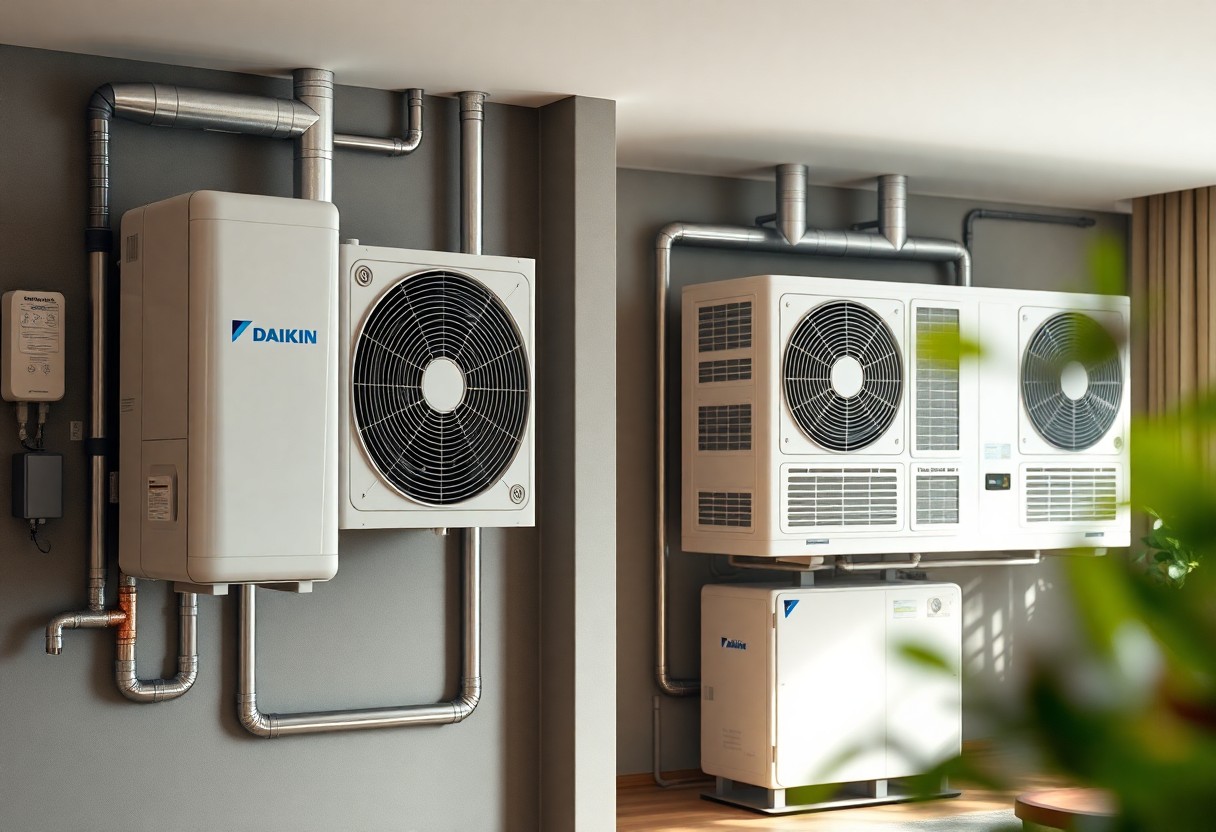
There’s a lot to consider when evaluating Daikin and Panasonic multi-zone systems for your home or office. Both brands offer diverse features aimed at enhancing comfort and efficiency, but their technologies and options differ significantly. In this blog post, you’ll gain valuable insights into key features and performance comparisons, helping you make an informed decision based on your specific needs and preferences. Dive in to discover which system aligns best with your climate control goals.
Key Takeaways:
- Daikin offers advanced inverter technology for energy efficiency, while Panasonic focuses on air purification features.
- Panasonic’s systems include nanoe™ technology for enhanced air quality, whereas Daikin emphasizes quiet operation and compact design.
- Daikin has a wider range of model options suitable for various residential and commercial applications, while Panasonic’s systems are known for sleek aesthetics.
- Both brands provide multi-zone capabilities, but Daikin excels in customization and control options through smart home integration.
- Warranty and support services differ, with Daikin generally offering longer warranty periods and robust service networks compared to Panasonic.
Overview of Daikin Multi Zone Systems
Daikin Multi Zone Systems offer versatile heating and cooling solutions, ideal for homes or businesses requiring personalized climate control across multiple areas. Their advanced technology optimizes comfort while enhancing energy efficiency, allowing you to maintain different temperatures in various rooms. Integration with smart home devices ensures that you can manage your system conveniently, adapting to lifestyle changes effortlessly.
Key Features
With Daikin Multi Zone Systems, you’ll enjoy a range of state-of-the-art features that elevate your indoor climate experience.
- Inverter technology for energy efficiency
- Quiet operation for minimal noise disruption
- Flexible installation options to fit different spaces
- Smart home integration for convenience
- Multi-zone capability for diverse temperature control
This range of features contributes to increased comfort and energy savings.
Advantages and Disadvantages
Daikin Multi Zone Systems provide several benefits along with a few drawbacks worth considering. The advantages include high energy efficiency, which can lead to lower utility bills, and flexibility in usage across multiple zones, allowing customized comfort. However, the initial installation cost can be significant, and you may encounter compatibility issues with older homes during setup. Weighing these factors is vital in determining whether this system aligns with your specific needs.
Overview of Panasonic Multi Zone Systems
Panasonic Multi Zone Systems deliver efficient climate control solutions tailored to diverse spaces. With a focus on comfort, these systems provide you with flexible heating and cooling options across multiple zones, ensuring each room meets your desired temperature. Designed with advanced technology, they are ideal for both residential and commercial applications, enhancing indoor air quality and energy savings.
Key Features
The Panasonic Multi Zone Systems encompass a variety of cutting-edge features designed to optimize performance and user experience.
- Inverter technology for energy efficiency
- Individual zone control for personalized comfort
- Quiet operation for minimal noise disruption
- Air purification filters for improved indoor air quality
- Flexible installation options to suit various spaces
- Smart control via mobile apps for remote management
This ensures you experience maximum comfort and efficiency with minimal effort.
Advantages and Disadvantages
When considering Panasonic Multi Zone Systems, it’s vital to weigh their benefits against potential drawbacks. Advantages include high energy efficiency and customizable temperature settings for each zone, which can lead to substantial energy savings. Their quiet operation ensures a comfortable environment without disruptive noise. However, initial installation costs may be higher compared to traditional systems, and ongoing maintenance can be a consideration. Overall, these systems offer a blend of comfort and efficiency that may outweigh initial costs for many users.
Comparison of Performance
| Feature | Daikin | Panasonic |
|---|---|---|
| Energy Efficiency | Advanced inverter technology, up to 30 SEER | Highly efficient with EC fan motors, up to 28 SEER |
| Cooling Capacity | Extensive range, up to 36,000 BTU | Wide capabilities, up to 30,000 BTU |
| Heating Capacity | Reliable heating even in low temperatures | Adequate heating with enhanced insulation |
Energy Efficiency
Daikin units often lead in energy efficiency, achieving ratings of up to 30 SEER, which translates to lower utility bills and environmental impact. In contrast, Panasonic’s systems also excel with efficient designs and EC motors reaching up to 28 SEER, providing both performance and savings for users.
Cooling and Heating Capabilities
Both Daikin and Panasonic offer impressive cooling and heating capabilities across their multi-zone systems. Daikin boasts an extensive range, capable of cooling up to 36,000 BTU, ensuring consistent comfort throughout your space. Panasonic competes closely with models delivering up to 30,000 BTU while also integrating intelligent features that optimize performance based on real-time conditions.
Installation and Maintenance
Both Daikin and Panasonic multi-zone systems require professional installation to ensure optimal performance. Proper installation helps to maximize efficiency and prolong the life of the units. Each brand offers clear guidelines and support, allowing technicians to set up your system according to the latest standards, ensuring you get the most out of your investment.
Installation Process
During the installation process, your technician will assess your space to determine the best layout for indoor and outdoor units. Ductwork and electrical requirements will be addressed, followed by mounting the indoor units on walls or ceilings. Outdoor units are positioned with careful consideration for airflow and accessibility, completing the setup in a systematic manner.
Maintenance Requirements
Regular maintenance is vital to keep Daikin and Panasonic systems running efficiently. Both brands recommend annual professional servicing, focusing on cleaning filters, checking refrigerant levels, and inspecting electrical components. Adopting a consistent cleaning routine for filters can significantly enhance performance and longevity.
For maintenance, you should schedule annual inspections with a qualified technician familiar with your specific system. During these check-ups, they will clean the coils, ensure the refrigerant levels are adequate, and calibrate the system for peak efficiency. You can also perform simple tasks, such as cleaning or replacing filters every few months, which can directly improve your unit’s efficiency, potentially leading to energy savings of up to 15% over time. Additionally, make sure to keep the outdoor unit free of debris to prevent airflow blockages and maintain optimal performance year-round.
Cost Analysis
Initial Investment
The initial investment in Daikin or Panasonic multi-zone systems can vary significantly based on the model and installation complexity. Typically, you might spend between $3,000 and $10,000, factoring in equipment and labor. Daikin systems often command a premium due to their advanced technology, while Panasonic may offer more budget-friendly options without compromising important features.
Long-term Costs
Long-term costs encompass energy consumption, maintenance, and potential repairs. While Daikin systems are known for their efficiency, leading to lower utility bills, Panasonic’s reliability often results in lower maintenance expenditure over time. You should evaluate your energy rates and usage habits to better estimate total ownership costs.
For example, Daikin’s inverter technology can reduce energy use by up to 30% compared to traditional systems, potentially translating into savings of $300 annually on energy bills. Conversely, Panasonic’s robust warranty and durable components can minimize repair costs, offering peace of mind through fewer unexpected expenses. Balancing initial costs and long-term savings will guide your decision.
Customer Reviews and Satisfaction
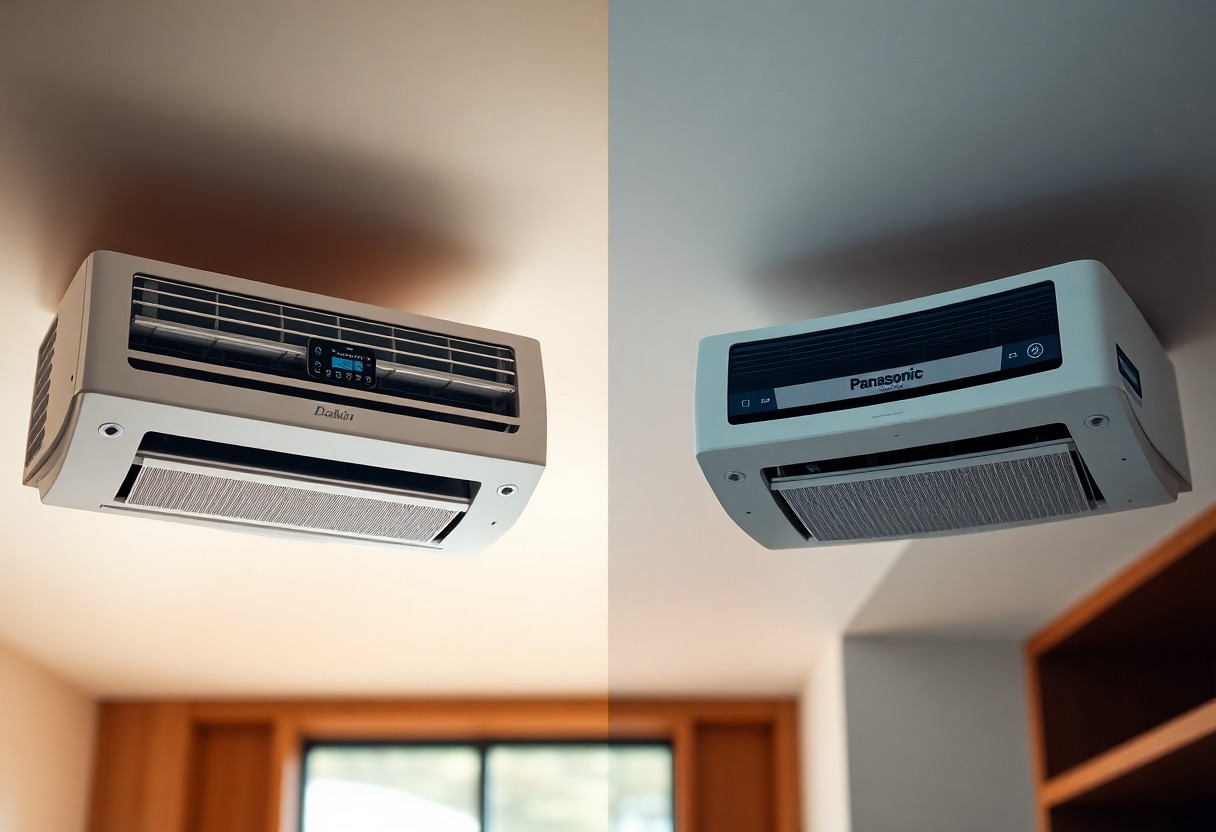
Customer feedback for both Daikin and Panasonic multi-zone systems generally reflects high levels of satisfaction, particularly regarding performance and energy efficiency. Users appreciate the capabilities of both brands but often highlight specific features that cater to their needs, such as ease of control, noise levels, and reliability. The overall sentiment leans positive, with many customers expressing contentment over their choices in regard to comfort and cost savings.
Daikin Customer Feedback
Daikin users frequently commend the brand for its robust cooling and heating capabilities. Many highlight the quiet operation and advanced zoning features as standout elements, which significantly enhance comfort in multi-zone settings. Reviews often mention energy savings, with some users citing a reduction in utility bills, indicating the effectiveness of their Daikin systems.
Panasonic Customer Feedback
Panasonic customers emphasize the aesthetic and design aspects of their multi-zone systems. Many appreciate the sleek units that seamlessly blend into their home’s decor. Performance reviews often mention consistent temperature control and high energy efficiency, leading to minimal fluctuations in comfort levels. Additionally, users value the intuitive controls that make adjusting settings easy and convenient.
Digging deeper into Panasonic feedback, users often share positive experiences regarding their customer service. Many report quick and effective responses to inquiries and service needs, which adds to their overall satisfaction. The durability of Panasonic systems is frequently noted, with numerous long-term users praising their reliable performance over the years, reinforcing the brand’s reputation as a solid investment for multi-zone heating and cooling solutions.
Final Words
Summing up, when choosing between Daikin and Panasonic multi-zone systems, you should consider their key features tailored to your needs. Daikin offers advanced technology and energy efficiency, while Panasonic emphasizes air quality and reliable performance. Evaluate your priorities, such as initial costs, long-term savings, and system flexibility, to determine which brand aligns best with your expectations. Ultimately, both systems provide exceptional options for efficient heating and cooling across your space.
FAQ
Q: What are the key differences between Daikin and Panasonic multi-zone systems?
A: The key differences include Daikin’s advanced inverter technology for efficiency and quieter operation, while Panasonic offers superior air filtration and smart control features. Daikin typically has a wider range of unit styles, whereas Panasonic focuses on user-friendly interfaces.
Q: How does the energy efficiency of Daikin compare to Panasonic in multi-zone systems?
A: Daikin systems often have higher SEER ratings, offering excellent energy efficiency, especially for larger spaces. Panasonic systems also provide efficient options, but they are generally recognized for better energy consumption in compact units.
Q: What smart features are available in Daikin and Panasonic multi-zone systems?
A: Daikin integrates Wi-Fi connectivity for remote control through mobile apps and compatibility with smart home devices. Panasonic also offers smart controls but places a stronger emphasis on air quality monitoring and adaptive cooling based on room usage.
Q: Which brand provides better warranty options for multi-zone systems?
A: Daikin often offers longer warranty periods for their compressors and parts, typically up to 12 years, whereas Panasonic usually provides a standard warranty of around 5 to 10 years, depending on the model.
Q: How do the installation requirements differ between Daikin and Panasonic systems?
A: Daikin systems may require more complex installation due to their extensive range of options and configurations. Panasonic systems tend to be more straightforward and can be easier for installation in smaller or standard residential applications.
