LG vs Samsung Smart Controls with Pricing Comparison
Over the past few years, smart controls have transformed how you interact with your home appliances, making it crucial to understand the differences between leading brands. This blog post examines into the features, functionality, and pricing of LG and Samsung smart controls, helping you make an informed choice for your smart home setup. By comparing each brand’s offerings, you can ensure your investment aligns with your needs and preferences, ultimately enhancing your overall experience.
Key Takeaways:
- LG Smart Controls offer a user-friendly interface with robust customization options.
- Samsung’s Smart Controls feature advanced AI functionalities for personalized experiences.
- Pricing for LG smart devices typically ranges lower than Samsung equivalents, appealing to budget-conscious consumers.
- Samsung delivers superior integration with SmartThings ecosystem, enhancing connected home capabilities.
- Evaluation of warranty and customer support varies; Samsung generally offers longer support periods compared to LG.
Overview of Smart Controls
Smart controls significantly enhance your home entertainment experience, allowing you to manage devices seamlessly. Both LG and Samsung have developed intelligent interfaces that improve usability while integrating advanced technology. When comparing the two, it’s vital to consider the unique features and capabilities that each brand offers to find the system that best meets your needs.
LG Smart Control Features
LG Smart Control provides an intuitive platform that simplifies navigation across all your devices. With features like voice recognition, a customizable home screen, and robust compatibility with other smart devices, you can streamline your media consumption. The ThinQ app allows for smart automation, making it easy to control lighting and temperature in conjunction with your entertainment system.
Samsung Smart Control Features
Samsung Smart Control enhances your experience with its advanced AI features and SmartThings integration. By utilizing Bixby voice commands, you can effortlessly search for content or control connected devices throughout your home. The one-touch access option allows for instant switching between apps, while the unified dashboard provides a comprehensive view of your smart home ecosystem.
Samsung’s Smart Control features enable you to experience a personalized interface tailored to your preferences. With custom automation routines, you can set schedules for your smart devices, from the TV to your lighting. The integration of Apple AirPlay 2 and Google Assistant ensures widespread compatibility, allowing you to control your smart home from virtually anywhere. Additionally, with features like Adaptive Picture technology, Samsung smart controls adjust your settings according to ambient light for optimal viewing at all times.
Pricing Comparison
| Brand | Price Range |
|---|---|
| LG Smart Control | $50 – $150 |
| Samsung Smart Control | $60 – $160 |
LG Smart Control Pricing
The LG Smart Control pricing typically falls between $50 and $150, depending on the model and features you choose. You can often find competitive deals during holiday sales or on online platforms, making it easier to fit this technology into your budget without sacrificing quality.
Samsung Smart Control Pricing
Samsung Smart Controls are priced from $60 to $160, reflecting a premium for their advanced technology and reliable performance. This variety allows you to select a model that aligns with your preferences and financial considerations while ensuring a robust smart control experience.
For instance, entry-level Samsung models may be more budget-friendly, yet mid-range options offer enhanced features like voice control and integration with multiple devices, making them an appealing investment for tech-savvy users. You’ll find that spending slightly more often translates to a more comprehensive user experience, fitting various lifestyle needs.
User Experience and Interface
LG User Interface Review
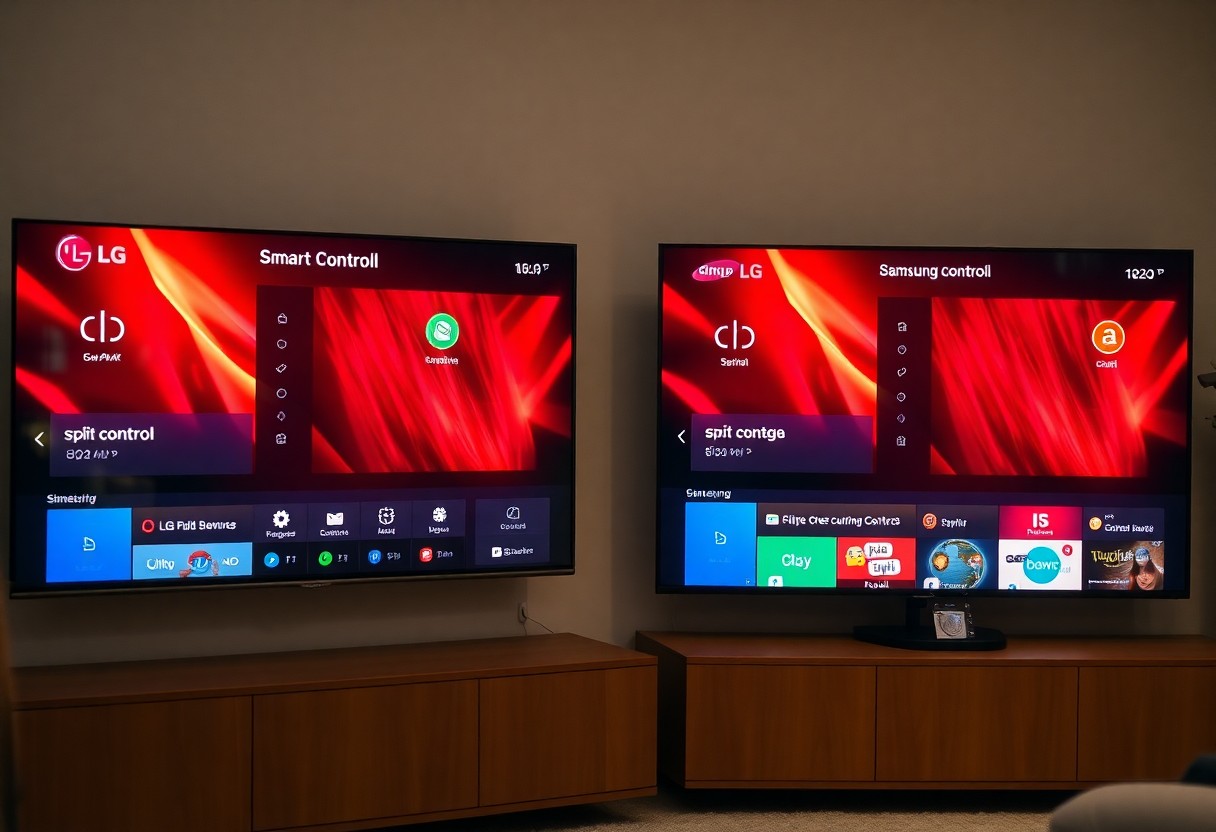
LG’s user interface is designed with intuitiveness in mind, featuring a simple layout that enhances navigation. The “Magic Remote” allows for easy point-and-click control, providing a seamless experience. You’ll appreciate the customized home screen where your favorite apps are easily accessible, and the voice recognition feature simplifies search tasks. The WebOS platform is responsive and supports multitasking, enabling you to switch between apps effortlessly.
Samsung User Interface Review
Samsung’s Tizen OS delivers a more dynamic experience with its customizable interface. You can rearrange widgets and access frequently used apps from the Smart Hub. The integration of Samsung SmartThings allows for a connected ecosystem, enhancing both usability and convenience. Its voice assistant, Bixby, adds another layer of functionality, making it easier to control your device hands-free.
Samsung’s interface particularly excels in its Smart Hub functionality, which provides quick access to apps, live TV, and content recommendations, streamlining your entertainment choices. With a focus on user personalization, you can tailor the interface to suit your preferences, ensuring a unique viewing experience. The robust integration of various smart home features enhances overall usability, reflecting Samsung’s commitment to creating an interconnected digital environment.
Compatibility with Smart Home Devices
When choosing between LG and Samsung smart controls, compatibility with your existing smart home devices is important. Both brands support various ecosystems, offering seamless integration with popular smart home platforms. However, distinctions in their compatibility may impact your decision, especially if you already own specific devices or plan to expand your smart home setup.
LG Compatibility Overview
LG’s smart controls typically support devices from major ecosystems like Google Assistant and Amazon Alexa. You can effortlessly connect your LG appliances with other smart devices, enhancing your home’s automation. Additionally, the LG ThinQ app enables easy management of compatible products, allowing you to control everything from HVAC systems to lighting.
Samsung Compatibility Overview
Samsung excels in compatibility by providing support for Samsung SmartThings, allowing you to integrate a broad range of smart home devices. The ecosystem includes everything from lights to locks, consolidating control into a single interface. In addition to SmartThings, its devices work well with Google Assistant and Amazon Alexa, ensuring versatility in your setup.
Samsung’s SmartThings platform uniquely stands out due to its extensive range of supported devices—over 60,000, as of now—in various categories, including appliances, security, and entertainment. This broad compatibility not only enhances your smart home experience but also simplifies management with intuitive automation features. You’ll find that setting up routines and controlling multiple devices becomes more manageable, creating a cohesive and integrated smart home environment.
Performance and Responsiveness
LG Performance Analysis
When evaluating LG smart controls, you’ll notice their performance excels in processing speed and app responsiveness. The combination of WebOS and powerful hardware delivers swift navigation between applications, with minimal lag even when multi-tasking. You can enjoy a seamless viewing experience, particularly during high-resolution streaming or gaming, thanks to enhanced graphics performance and quick initialization of apps.
Samsung Performance Analysis
Samsung smart controls showcase impressive performance, driven by their Tizen OS, which is known for its speed and efficiency. The system provides quick access to myriad apps without significant delay, offering a fluid experience with minimal buffering during streaming. You’ll find that Samsung TVs often prioritize faster loading times, particularly for gaming interfaces and multimedia applications.
In benchmarks, Samsung’s Tizen OS consistently processes commands more rapidly than its competitors, with average app loading times around 2-3 seconds. Additionally, features like Auto Low Latency Mode (ALLM) on Samsung devices enhance responsiveness for gaming, enabling you to enjoy a competitive edge. This optimization for performance supports high frame rates, ensuring smooth and immersive gameplay, which is ideal if you frequently use your smart control for both entertainment and gaming.
Customer Feedback and Reviews
Consumer feedback reveals distinct preferences between LG and Samsung smart controls, highlighting ease of use, reliability, and integration capabilities. Users frequently share their experiences regarding app functionality, response times, and issues faced during set-up. Analyzing these insights can provide additional clarity in your decision-making process.
LG Customer Experience
Many LG users appreciate the intuitive interface and seamless integration with other smart devices. Comments highlight the user-friendly app design that simplifies control over appliances, enhancing their smart home experience. Consistent firmware updates further improve functionality, keeping their systems running smoothly.
Samsung Customer Experience
Samsung customers often commend the robust features and versatility of their smart controls. The SmartThings app receives frequent praise for its comprehensive control over various connected devices. Those who utilize Voice Assistants report high satisfaction with the integration and responsiveness, enhancing convenience in daily operations.
Samsung’s extensive ecosystem is backed by a strong community of developers and support resources, which often results in innovative updates and improvements based on user feedback. Additionally, Samsung’s SmartThings offers a wide range of compatible devices, making it simpler for you to expand your smart home setup without significant obstacles. This ongoing commitment to customer satisfaction is reflected in high ratings across tech review platforms.
Conclusion
With this in mind, your choice between LG and Samsung Smart Controls will largely depend on your specific needs and budget. Both brands offer innovative features and competitive pricing, but LG typically provides a more user-friendly interface, while Samsung excels in smart home integration. Assess your usage preferences and compare the pricing of the models you are considering to ensure you make an informed decision that best fits your lifestyle and financial plan.
FAQ
Q: How do LG and Samsung Smart Controls differ in user interface?
A: LG Smart Controls offer a more minimalist design with easy navigation, while Samsung’s interface is feature-rich, providing access to a wider range of settings and options.
Q: Which brand provides better compatibility with smart home devices?
A: Samsung Smart Controls are often preferred for compatibility, integrating seamlessly with a broader range of smart home ecosystems, including SmartThings.
Q: What is the price range for LG Smart Control remotes compared to Samsung?
A: LG Smart Control remotes generally range from $30 to $100, while Samsung remotes can vary from $50 to $150, depending on the features and model.
Q: Are there any significant differences in gaming features between LG and Samsung Smart Controls?
A: Yes, Samsung Smart Controls typically offer more advanced gaming features, including low input lag and enhanced support for gaming modes compared to LG’s offerings.
Q: Which brand offers better voice control functionality in their Smart Controls?
A: Samsung Smart Controls provide superior voice control capabilities, supporting virtual assistants like Bixby, Alexa, and Google Assistant, while LG focuses primarily on Google Assistant.
