
Split System vs Ducted Air Conditioning for Home Cooling Solutions
Ducted air conditioning provides a centralized cooling solution for your entire home, seamlessly integrating with your building’s structure. However, a split system may offer more flexibility and efficiency for specific rooms or zones. In this post, you will explore the key differences between these two popular options, helping you make an informed decision that best suits your cooling needs and budget. Whether you prioritize cost-effectiveness or comprehensive climate control, understanding the features and benefits of each system will guide you toward the ideal solution for your home.
Key Takeaways:
- Split systems are typically more cost-effective for small to medium spaces, while ducted systems are better for larger homes needing uniform cooling.
- Split systems require less installation work and can be more easily relocated compared to ducted systems.
- Ducted systems provide a cleaner aesthetic since indoor units are hidden within ceilings.
- Split systems allow for temperature control per room, whereas ducted systems offer centralized control throughout the home.
- Energy efficiency varies; ducted systems can be more efficient when cooling multiple rooms simultaneously.
The Mechanical Marvels: How Split Systems Operate
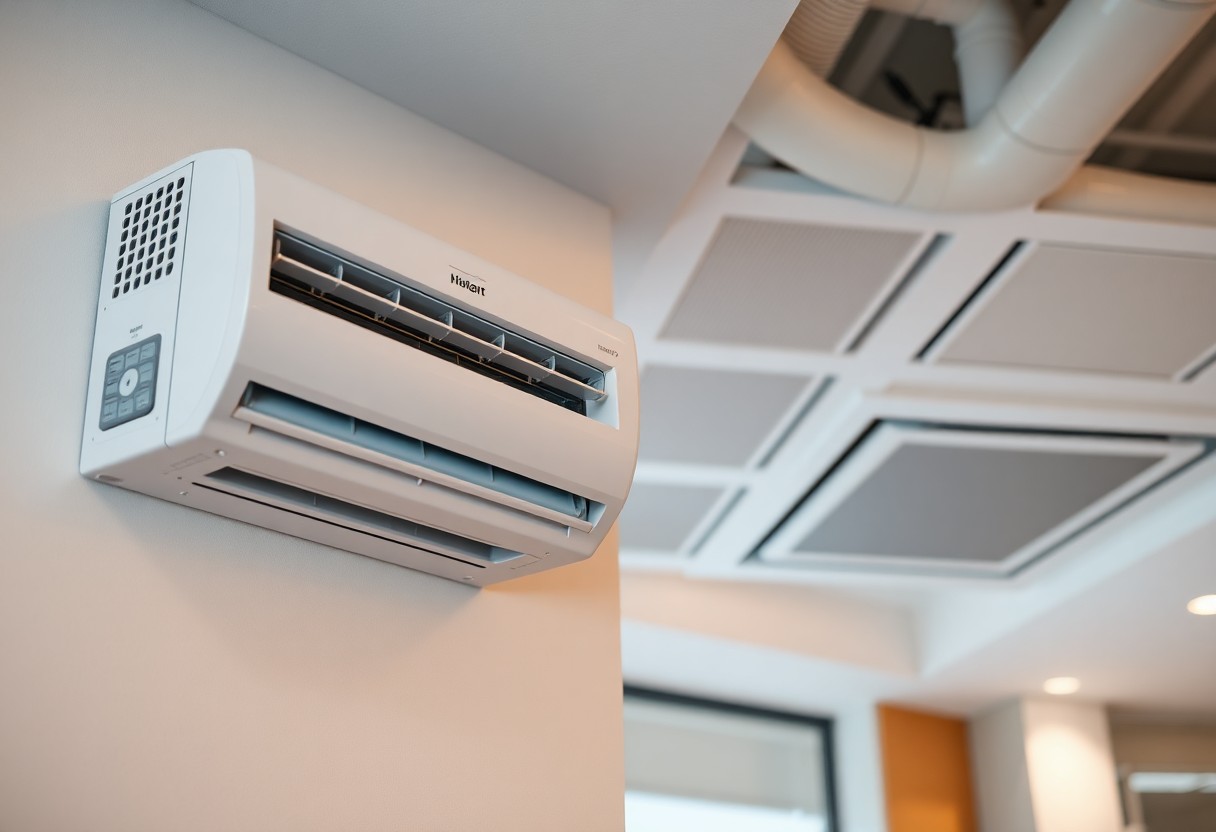
Split systems consist of two main components: an outdoor unit containing the compressor and a condenser, and an indoor unit responsible for distributing cool air. The refrigerant circulates between these units, absorbing heat from your indoor space and releasing it outside. This cycle effectively cools your home while maintaining energy efficiency and offering the flexibility to control temperatures in individual rooms.
Components that Create Comfortable Spaces
Your split system features several key components such as evaporator coils, expansion valves, and air handlers. These elements work in harmony to extract heat from your home and cool the air that circulates through rooms. The indoor unit is compact and can be mounted on walls or ceilings, allowing for streamlined design without compromising floor space.
Energy Efficiency: The Split System Advantage
Split systems typically offer superior energy efficiency compared to traditional cooling methods. Their inverter technology allows the compressor to adjust its speed based on the demand for cooling, providing substantial energy savings and reducing your monthly electricity bills.
In fact, many split systems boast SEER ratings above 20, indicating their exceptional cooling efficiency. By using less energy to operate, they not only minimize your carbon footprint but also maintain consistent temperatures throughout your living spaces. This energy-efficient operation makes split systems an excellent choice for environmentally conscious homeowners seeking comfort at a lower cost.
Ducted Systems: The Invisible Network of Cooling
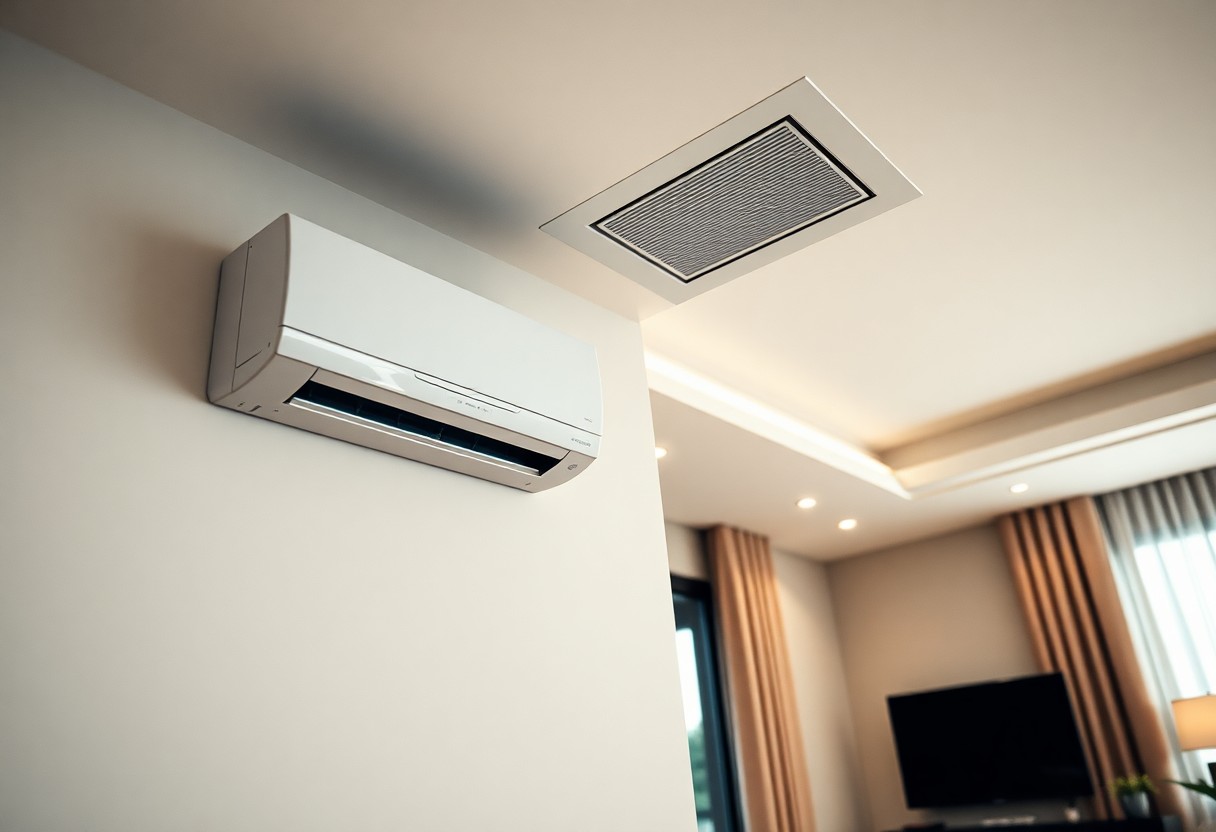
Ducted air conditioning systems create a seamless cooling environment by distributing air through an extensive network of ducts hidden within your home’s walls and ceilings. This design allows for centralized temperature control, ensuring that every room receives consistent cooling without the bulkiness of visible units. With strategically placed vents, you enjoy a comprehensive climate solution that enhances comfort throughout your living spaces. The installation of a ducted system may require more upfront investment, but the benefits of efficiency and aesthetic appeal can be significant in the long run.
The Anatomy of Ducted Air Conditioning
Ducted air conditioning systems consist of several key components: an outdoor condenser unit, an indoor unit, ductwork, and outlets or vents. The outdoor unit houses the compressor and condenser, while the indoor unit contains the evaporator coil. The ducts distribute cooled air from the indoor unit to various rooms, allowing for even airflow throughout your home. This system is designed to be discreet, blending into your infrastructure to maintain a clean aesthetic without sacrificing comfort.
Maintaining Consistency: Temperature Regulation Benefits
Ducted systems excel in maintaining consistent temperatures across different areas of your home. The centralized control allows you to set a desired temperature that is uniformly maintained throughout, preventing hot or cold spots. This is especially beneficial in larger spaces where single units may struggle to distribute air effectively. Utilizing zoned controls further enhances this ability, enabling you to tailor cooling to different rooms based on usage, ensuring that energy is not wasted in unoccupied spaces.
Temperature Regulation Benefits of Ducted Systems
| Benefit | Details |
|---|---|
| Uniform Cooling | Consistent temperature distribution prevents discomfort in hot or cold spots. |
| Zoned Climate Control | Allows tailored cooling to different rooms, optimizing energy use. |
| Increased Efficiency | Centralized systems typically offer better energy efficiency than multiple units. |
The ability of ducted systems to maintain consistent temperatures leads to improved comfort and efficiency. By allowing for precise temperature control, you can reduce energy consumption and costs while enhancing comfort in vital areas of your home. For example, studies show that homes using ducted systems can achieve energy savings of up to 30% compared to using multiple split systems. Additionally, having a single point of temperature regulation simplifies management, making it easier for you to create a welcoming atmosphere throughout your living spaces.
Dollars and Sense: Cost Analysis of Each System
Understanding the financial implications of split system and ducted air conditioning can make a significant difference in your decision-making process. Both options present varying initial investment levels and ongoing costs, impacting your budget over time. Analyzing installation expenses, energy consumption, and long-term value is necessary for making an informed choice that suits your home and lifestyle.
Installation Expenses and Long-term Value
Installation costs vary between split systems and ducted air conditioning. A split system typically has lower upfront installation fees, ranging from $2,000 to $4,000, while ducted systems can start from $5,000 and go up significantly. However, ducted systems offer a more uniform cooling experience and may add value to your home over the long term, making the higher initial investment worthwhile.
Operational Costs: Comparing Energy Consumption
Split systems tend to be more energy-efficient for localized cooling, consuming less electricity when cooling a single area compared to ducted systems. However, ducted systems allow for cooling multiple rooms simultaneously, potentially offsetting higher consumption when cooling larger spaces. Overall, energy costs will depend on usage patterns and energy efficiency ratings of the units chosen.
Comparison of Installation and Operation Costs
| System Type | Cost |
|---|---|
| Split System Installation | $2,000 – $4,000 |
| Ducted System Installation | $5,000+ |
| Split System Operational Costs | Lower energy consumption |
| Ducted System Operational Costs | Higher energy consumption, but more efficient for larger spaces |
Energy efficiency ratings are critical for assessing operational costs. A split system may score a Seasonal Energy Efficiency Ratio (SEER) of up to 20, while a ducted system might range from 14 to 16. These ratings indicate how effectively the systems convert electricity into cooling. Choosing high SEER-rated equipment can significantly reduce your energy bills, making it necessary to consider these factors when evaluating ongoing costs.
Operational Cost Insights
| Efficient System Type | Impact on Bill |
|---|---|
| Split System (SEER 20) | Lower monthly bills; localized efficiency |
| Ducted System (SEER 15) | Higher monthly bills; effective for multi-room cooling |
Space Considerations: Finding the Right Fit for Your Home
Evaluating available space is key to choosing the optimal air conditioning solution. Split systems require less room than ducted systems, making them ideal for smaller homes or apartments where installation flexibility is necessary. Ducted systems, while more suited for larger properties, demand additional space for ductwork and vents. To achieve efficient cooling, consider the layout of your rooms, ceiling height, and any design constraints.
Ideal Environments for Split Systems
Split systems thrive in compact environments where precise cooling is needed. They are particularly effective in individual rooms or small living areas, allowing you to control temperature per space without affecting the entire house. This type of system is perfect for homes with specific zones that need dedicated climate control, such as bedrooms and home offices.
Ducted Systems: Best for Larger, Open Spaces
Ducted air conditioning excels in spacious, open-plan designs. It provides uniform cooling distributed through a network of ducts, effectively managing temperature across expansive areas. If your home features large living spaces, high ceilings, or numerous rooms, a ducted system allows seamless integration with your home’s architecture while maintaining comfort throughout.
With ducted systems, you can create a comfortable climate in larger homes without the visual intrusion of multiple split units. They are designed for versatility, allowing temperature control through a centralized system using a thermostat. This integration means you can cool extensive areas without hot or cold spots, making it a popular choice for modern homes where style and efficiency are paramount. Additionally, zoning options enable you to adjust cooling in specific areas, optimizing energy efficiency according to individual room usage.
User Experience: Control and Customization
Your comfort extends beyond just temperature; it includes how you control and customize your indoor environment. Split systems often come with remote controls and programmable timers, allowing you to adjust settings without getting up. Ducted systems offer centralized control options, giving you the ability to set different temperatures in various zones. Both systems cater to personalized preferences, ensuring that you experience your desired level of comfort in any part of your home.
Smart Technology Integration in Split Systems
Split systems are frequently equipped with smart technology, enabling remote operation through smartphone apps. You can adjust settings, monitor energy usage, and even set schedules from anywhere. Integration with smart home devices enhances efficiency, allowing you to maintain optimal comfort levels while minimizing energy consumption. For example, features like geofencing can automatically adjust your air conditioning based on your location, offering convenience and energy savings.
Navigating Climate Zones with Ducted Cooling
Ducted cooling systems excel in managing varying climate zones within your home. With the ability to zone different areas and tailor temperatures, you can address diverse comfort needs. This system is particularly valuable in larger homes or multi-story buildings, where specific rooms may receive different amounts of sunlight throughout the day. By installing dampers in the ductwork, you can direct airflow to areas that require more cooling, ensuring consistent comfort in every space.
Ducted cooling’s capability to navigate climate zones relies on its zoned system design, which facilitates customized air distribution. In practice, this means if you have a sun-drenched living room that heats up faster than a shaded bedroom, you can adjust the airflow to reduce cooling in the bedroom while maximizing comfort in the living room. This not only enhances individual comfort levels but can also lead to significant energy savings by not overcooling unoccupied spaces. Utilizing thermostat controls for each zone can further refine your home’s climate control, providing a tailored experience that adapts to your lifestyle and preferences.
To wrap up
So, when choosing between split system and ducted air conditioning for your home cooling solutions, consider your specific needs, budget, and the layout of your space. Split systems offer flexibility and cost-effectiveness for individual rooms, while ducted systems provide integrated comfort for larger areas. Assess factors such as installation complexity and energy efficiency to make the best decision for your home, ensuring you enjoy the ideal climate year-round.
FAQ
Q: What is the primary difference between split system and ducted air conditioning?
A: Split system air conditioning units consist of an outdoor compressor and one or multiple indoor units, providing targeted cooling to specific rooms. Ducted air conditioning, on the other hand, uses a central unit connected to ducts that distribute cool air throughout the entire home.
Q: Which type of air conditioning is more energy-efficient?
A: Generally, split system air conditioners are more energy-efficient for cooling individual rooms or smaller spaces. Ducted systems may be more efficient for larger homes but can incur higher energy costs if not used properly.
Q: What are the installation requirements for split system and ducted air conditioning?
A: Split systems require less invasive installation with minimal ductwork, making them easier to set up. Ducted air conditioning requires more extensive installation, including ductwork in ceilings or walls, which can be more time-consuming and costly.
Q: Which air conditioning option provides better temperature control?
A: Split systems offer better temperature control in individual rooms since they can be adjusted separately. Ducted systems provide a more uniform temperature across the entire house but may lack individual control for each room.
Q: How do maintenance needs compare between split system and ducted air conditioning?
A: Split systems generally require less maintenance, involving cleaning or replacing filters and checking refrigerant levels. Ducted systems need regular inspection and cleaning of ducts to prevent dust buildup and ensure optimal airflow, which may require more effort and expense.
