Tag: businesses

Why Are Fortitude Valley Businesses Upgrading Their Brisbane Air Conditioning Services?

Fortitude Valley businesses are upgrading their Brisbane air conditioning services because you need systems that improve energy efficiency, reduce downtime, and enhance customer comfort; modern units offer smarter controls, lower operating costs, better indoor air quality, and simplified compliance with regulations, so upgrading protects your assets, satisfies customers and staff, and future-proofs your premises.

Key Takeaways:

  • Upgrading reduces energy use and operating costs through higher-efficiency units and refrigerants.
  • Modern systems improve indoor air quality and thermal comfort, supporting staff wellbeing and customer experience.
  • New installations increase reliability, lower maintenance needs, and minimize disruptive breakdowns.
  • Smart controls, zoning and remote monitoring enable precise temperature management and better occupancy-based savings.
  • Upgrades help meet regulatory standards, sustainability targets and can unlock rebates or long-term ROI.

The Importance of Air Conditioning in Fortitude Valley

In Fortitude Valley your HVAC choices directly affect staff productivity, energy costs and after-hours trade in retail and nightlife precincts. Maintaining 22-24°C and 40-60% relative humidity keeps employees alert and reduces product spoilage in food outlets. Upgrading to modern inverter systems can cut energy use by around 20-30% versus decade-old units, so your capital spend often returns via lower bills and fewer complaints within 12-24 months.

Climate Considerations

Fortitude Valley sits in Brisbane's humid subtropical zone where January highs average ~30°C and humidity routinely exceeds 60%, driving peak cooling loads. Sudden afternoon storms raise latent load, so you need systems with good dehumidification and flexible zoning. Corrosion-resistant coils and condensate management are practical musts for longevity, while correctly sized split or VRF systems prevent short-cycling under rapid temperature swings.

Impact on Customer Experience

Comfortable, consistent indoor conditions influence how long customers stay and how much they spend: maintaining stable temperatures and low humidity reduces complaints and increases dwell time. You'll see fewer returns on temperature-sensitive goods and better online reviews when patrons consistently find cool, dry interiors during summer weekends and warm, dry comfort in winter.

Practical examples show a properly tuned system-correct sizing, zoning and maintenance-can boost average dwell time by 5-12% in cafes and retail spaces, and reduce complaint volumes by half. When you deploy smart thermostats and occupancy sensors, they cut unnecessary runtime and keep comfort steady during peak trading hours, directly improving conversion rates and repeat business.

Trends in Air Conditioning Technology

Inverter-driven compressors and VRF systems let you modulate capacity to match variable loads, cutting energy use by up to 30% in many commercial settings. Manufacturers are shifting to lower‑GWP refrigerants like R32 (GWP 675) instead of R410A (GWP 2088), while heat‑recovery loops and integrated BMS enable simultaneous cooling and heating capture across floors. You'll also see higher SEER/IEER ratings and IEC‑certified EC fans that improve part‑load performance in busy Fortitude Valley buildings.

Energy Efficiency Advances

Variable‑speed compressors, electronically commutated (EC) fans and zoned controls let you reduce runtime and peak demand; modern systems often deliver 20-30% better IEER than decade‑old units. Demand‑response controllers and thermal storage integrate with rooftop PV to shave peak charges and lower demand‑charge bills. You can expect retrofit paybacks of 2-5 years for deep upgrades, while inverter retrofits provide immediate kW reductions during part‑load operation.

Smart Thermostat Integration

Smart thermostats put you in direct control with scheduling, geofencing, occupancy sensing and remote overrides, frequently reducing HVAC energy use by 10-15% when tuned to real occupancy patterns. They communicate with BMS via BACnet or Modbus, support multi‑zone setpoints and deliver cloud analytics and alerts. You'll find commercial models from Nest, Ecobee and Honeywell that also link to building automation platforms and voice assistants for streamlined operations.

When you implement smart thermostats, verify compatibility with your plant-check relay staging, 0-10V or digital control inputs, and support for heat‑pump logic and humidification setpoints. Commissioning is key: calibrate sensors, site occupancy detectors to avoid false triggers, and align setback schedules with trading hours. Proper configuration typically yields runtime reductions of 8-20% and can shorten payback to under 12 months in high‑occupancy retail or hospitality sites.

Benefits of Upgrading Air Conditioning Services

Cost Savings Over Time

You'll cut energy bills by replacing aging systems: modern inverter and VRV units typically reduce consumption by 20-40% compared with decade-old compressors. Beyond lower kWh, you save on emergency repairs-annual maintenance can drop from $2,000+ to under $800 for properly serviced systems-and many upgrades pay back within 3-5 years through reduced running costs and demand-charge savings during peak summer months.

Enhanced Indoor Air Quality

You'll reduce dust, pollen and VOCs by upgrading filtration to MERV 8-13 or installing HEPA filters and UV-C, improving tenant comfort and lowering sick days by up to 20% in some workplaces. Routine coil cleaning and humidity control also cut mould risk; combining a modern HVAC package with quarterly servicing keeps air fresh and compliant with commercial health standards.

For more detail, focus on measurable controls: fit HEPA modules (99.97% capture at 0.3 μm) where occupants are vulnerable, or specify MERV 13 in general-office returns to trap fine particulates. Add UV-C near coils to significantly reduce viable microbes, increase fresh-air exchange guided by CO2 sensors to keep levels under ~1,000 ppm, and use variable-speed fans to balance ventilation with energy use. When you document pre- and post-upgrade metrics-energy kWh, CO2, particulate counts-you can quantify health benefits and ROI for stakeholders.
Local Case Studies: Successful Upgrades

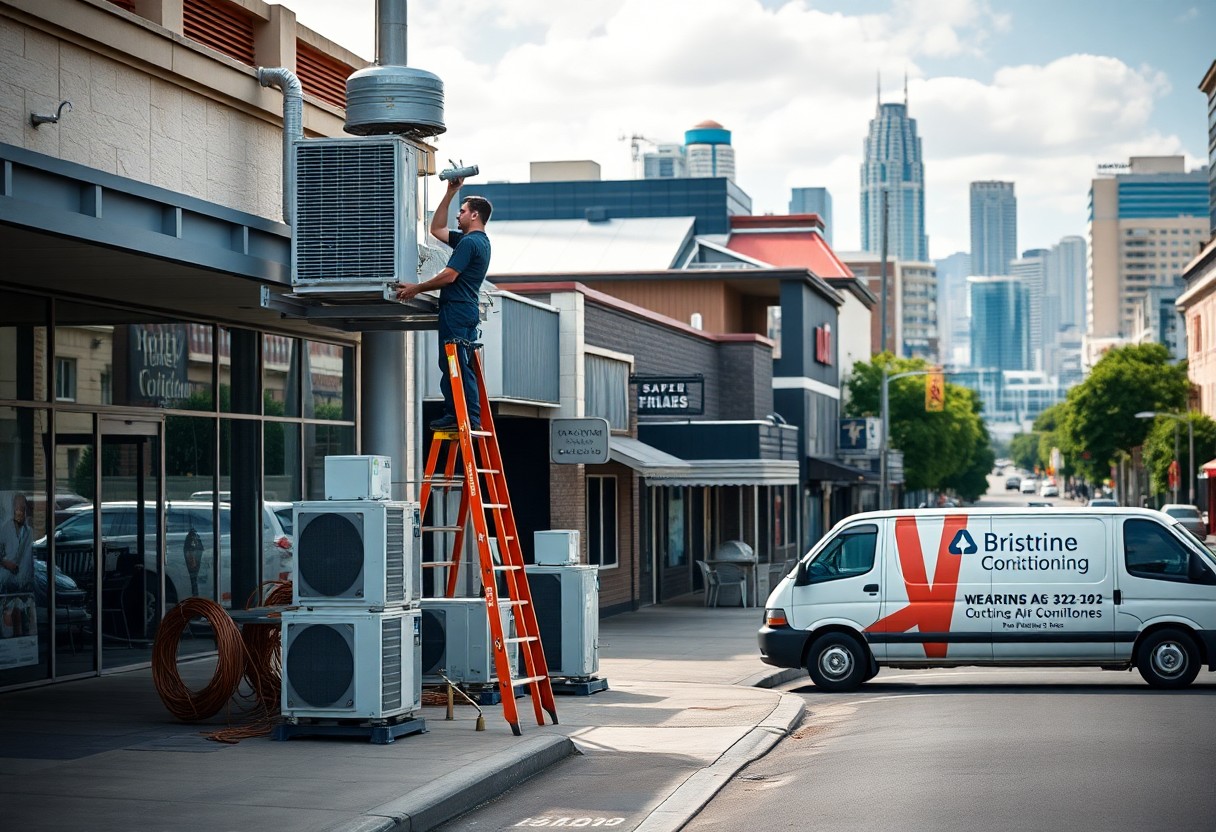
Several Fortitude Valley businesses reported measurable gains after upgrading HVAC: average energy reductions of 25-38%, payback periods from 14 to 42 months depending on scale, and customer comfort complaints falling by up to 60%. These local results show you concrete numbers - from lower bills to higher dwell time - that make the upgrade case persuasive for similar properties.

  • 1) Brunswick St boutique: replaced three 15‑year split systems with a 12‑zone VRF system - energy use down 32%, monthly bills fell from $3,200 to $2,100 (34%), installation $45,000, estimated payback 20 months, customer comfort complaints down 22%.
  • 2) Ann St nightclub: rooftop packaged unit + dehumidification retrofit - HVAC energy down 18%, humidity complaints dropped 60%, average spend per patron up 12% on busy nights, retrofit cost $68,000, maintenance calls reduced from 10/year to 2/year.
  • 3) Two-site café group: inverter ducted replacements across 3 outlets - combined energy savings 28%, annual utility savings ~$9,600, maintenance incidents cut from 6/year to 1/year, combined capex $34,000 with $4,500 rebates, payback ~16 months.
  • 4) Small office on Wickham St: added zoned controls and smart thermostats - peak demand down 40%, monthly demand charges fell $1,200, tenant comfort satisfaction up 30%, upgrade cost $25,000, simple ROI under 18 months via reduced charges.
  • 5) Fortitude Valley retail arcade: centralized chilled-water plant replacing 8 rooftop units - system efficiency improved 38%, annual energy savings ~$52,000, freed 120 sqm of rooftop space, upfront $190,000, projected payback 3.5 years and two fewer maintenance FTEs required.

Retail Business Transformations

You'll see retailers prioritise variable‑speed and zoned controls to cut running costs while improving comfort; typical outcomes include 20-35% energy savings, complaints down by a quarter, and measurable increases in dwell time that often lift sales by 5-10% after the upgrade.

Hospitality Sector Improvements

You'll notice restaurants and bars focusing on humidity control and quick-recovery capacity so indoor comfort is stable during peak service, delivering 15-30% energy reductions and fewer patron comfort complaints that directly protect nightly revenue.

Digging deeper, many venues pair high‑efficiency condensing units with demand‑controlled ventilation and smart scheduling to cope with rapid occupancy swings; an example: a 120‑seat restaurant cut after‑service HVAC runtime by 40%, reduced energy spend by $14,000/year, and shortened equipment downtime by 70%, producing payback under two years when combined with available rebates - outcomes you can model for your own site.
Expert Insights: Professional Recommendations

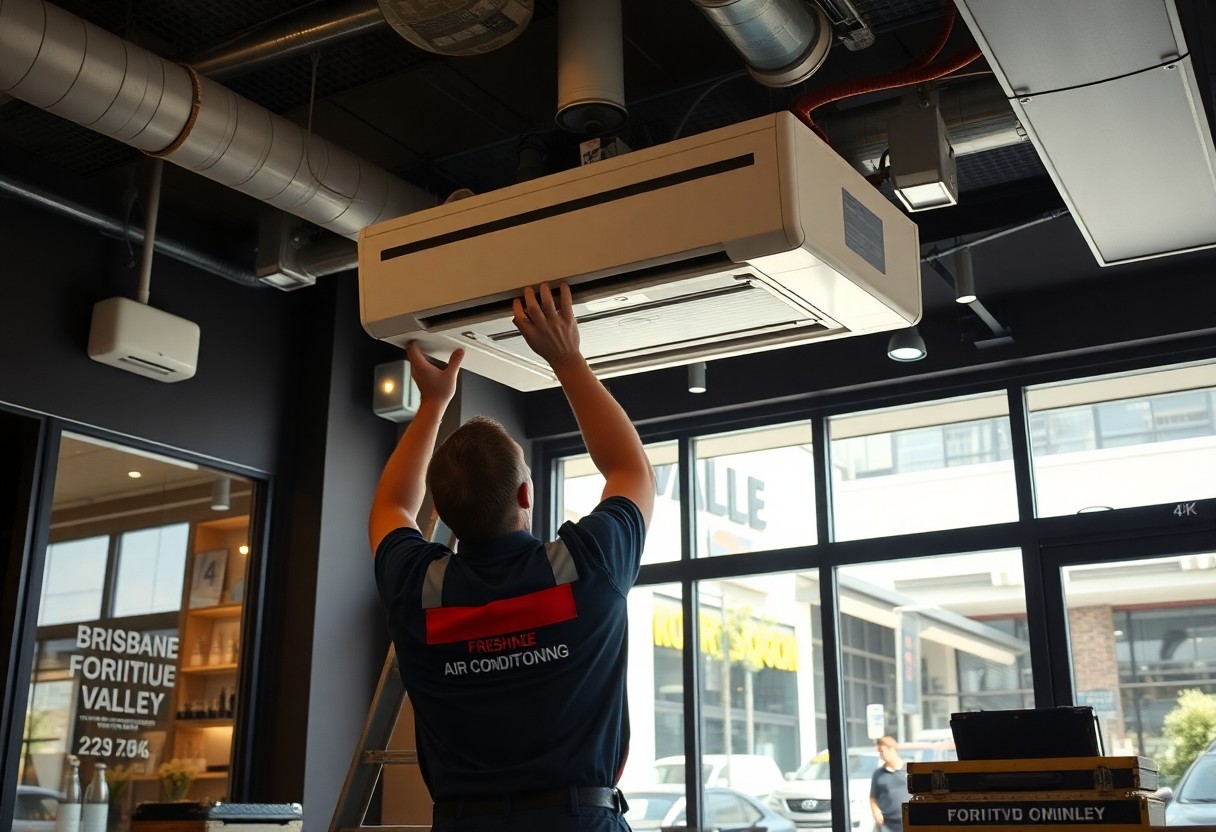
You should prioritise inverter-driven systems with SEER/COP ratings that match your load profile - upgrades often deliver 20-30% energy savings versus fixed-speed units. Specify AS/NZS 3666 compliance for air hygiene, low‑GWP refrigerants where possible, and an engineer-led load calculation rather than rule‑of‑thumb sizing. Expect typical payback windows of 2-4 years for small commercial fit-outs when you combine efficient equipment with controls and demand-based scheduling.

Choosing the Right Service Provider

Insist on technicians who hold a refrigerant‑handling licence and electrical certification, and request three written quotes plus at least two case studies from similar Fortitude Valley sites. You should compare proposed SLAs-look for 24-48 hour emergency response, fixed labour rates, and clear warranty terms-and verify insurers and public‑liability cover to reduce your commercial risk.

Maintenance and Support Options

You should adopt a preventive maintenance plan with inspections every 3-6 months and monthly filter checks for dusty city venues; include coil cleaning, refrigerant pressure verification, and airflow testing to cut unplanned downtime by up to 40%. Choose plans that document findings, provide prioritized call-outs, and offer optional remote monitoring for continuous performance data.

In practice, maintenance tiers vary: basic plans cover visual inspections and filter swaps, mid‑tier adds coil cleaning, refrigerant top‑ups and performance tuning, while premium contracts include 24/7 remote monitoring, thermographic scans, vibration analysis, and guaranteed response times. You should expect small cafés or retail outlets to pay roughly $800-$1,800/year for a solid preventive package, while larger mixed‑use buildings often budget $3,000-$8,000+/year depending on system complexity. Ask for monthly kW usage reports, documented service logs for compliance audits, and clauses for priority parts sourcing-these details limit downtime and protect your revenue during peak trading periods.

Conclusion

Following this you see why Fortitude Valley businesses are upgrading their Brisbane air conditioning services: to lower energy costs, improve comfort for customers and staff, meet compliance and sustainability targets, reduce downtime with proactive maintenance, and leverage smarter, quieter systems that protect your assets and reputation.

FAQ

Q: Why are Fortitude Valley businesses upgrading their Brisbane air conditioning services to more energy-efficient systems?

A: Many businesses are switching to modern, energy-efficient equipment-such as inverter-driven units and variable refrigerant flow systems-to reduce electricity consumption and operating costs. These systems deliver more precise temperature control, reduce peak demand charges, and often include smart scheduling and zoning that cut wasted cooling. Upgrades can lower monthly bills and improve payback periods when combined with regular maintenance and available Queensland energy-efficiency incentives.

Q: How do upgraded Brisbane air conditioning services improve indoor air quality for Fortitude Valley shops, offices and hospitality venues?

A: Contemporary HVAC upgrades include higher-performance filters (MERV/HEPA options), UV-C or photocatalytic air treatment, improved ventilation rates and humidity control, all of which reduce allergens, dust, mould and airborne pathogens. For customer-facing and high-occupancy businesses in Fortitude Valley, better air quality reduces sickness-related staff absence, supports food-safety and health requirements, and enhances customer comfort and confidence.

Q: What benefits do smart controls and monitoring bring when Fortitude Valley businesses upgrade their Brisbane air conditioning services?

A: Integrating smart thermostats, sensors and building-management systems enables zoning, remote control, real-time performance monitoring and automated schedules tied to occupancy. These features optimize energy use, detect faults early via alerts and analytics, and allow predictive maintenance that reduces unexpected downtime-important for venues with irregular hours like bars, restaurants and retailers in Fortitude Valley.

Q: Are businesses upgrading their Brisbane air conditioning services to meet regulatory, insurance or tenant expectations in Fortitude Valley?

A: Yes. Upgrades often help satisfy workplace health and safety obligations, building-code requirements and industry standards for ventilation and legionella control. Insurers can require evidence of professional maintenance and compliant systems to limit liability, and commercial tenants increasingly expect modern, efficient HVAC as part of lease terms-upgrades support higher occupancy rates and can justify premium rents.

Q: How do new Brisbane air conditioning services reduce maintenance, noise and total lifecycle costs for Fortitude Valley businesses?

A: Newer systems are designed for lower noise levels, modular redundancy and easier access for servicing, which is valuable in mixed-use and nightlife precincts. Improved component reliability and remote diagnostics reduce emergency repairs and extend service intervals, lowering total cost of ownership over the system's life. While upfront capital is higher, many businesses achieve net savings through reduced maintenance, fewer service disruptions and improved energy efficiency.

Do Commercial AC Solutions Meet The Needs Of Businesses In Chermside?

AC systems play a vital role in maintaining a comfortable and productive working environment for businesses in Chermside. As you navigate the various options available, understanding how commercial air conditioning solutions can effectively meet your specific needs is imperative. Whether you're operating a retail space, office, or industrial facility, the right AC system can significantly impact employee satisfaction and your bottom line. In this blog post, we'll explore the different commercial AC solutions and how they can benefit your business in the vibrant Chermside area.

Key Takeaways:

  • Commercial AC solutions in Chermside are designed to accommodate a variety of business environments, ensuring optimal temperature control and air quality for employee comfort and productivity.
  • Energy efficiency is a significant factor; many businesses benefit from modern systems that reduce energy consumption and operating costs.
  • Customized solutions are available to meet specific business needs, including zoning options to manage different temperature requirements across various spaces.
  • Regular maintenance and support services are integral to keeping commercial AC systems running efficiently, prolonging their lifespan and performance.
  • Businesses in Chermside can enhance their customer experience with reliable climate control, which is often a deciding factor for client retention and satisfaction.

Understanding Commercial AC Solutions

Before investing in an air conditioning system, it's imperative to understand the various commercial AC solutions available. These systems are designed to cater to the needs of larger spaces, often requiring a different approach than residential units. Properly evaluating these solutions ensures your business maintains a comfortable environment for both employees and customers.

Types of Commercial AC Systems

With a variety of commercial AC systems to choose from, selecting the right one for your business can be overwhelming. Here's a breakdown of the main types:

System Type Description
Central AC Uses ductwork to distribute air throughout the building.
Portable AC Easy to move; ideal for temporary cooling needs.
Ductless Mini-Split Offers flexibility and efficiency with no ductwork required.
VRF/VRV Systems Variable Refrigerant Flow; adjusts for energy efficiency.
Chilled Water Systems Utilizes chillers to produce cold water for cooling.

This selection allows you to evaluate which system aligns best with your requirements.

Benefits of Commercial AC Solutions

The benefits of implementing commercial AC solutions in your business are significant. Not only do these systems improve overall air quality, but they also enhance comfort levels, which can lead to increased productivity and customer satisfaction.

But these benefits extend beyond comfort. A well-designed commercial AC system can lead to energy savings through advanced technologies, as well as longevity due to reduced wear and tear on equipment. Additionally, proper temperature regulation can protect sensitive materials, equipment, and stock from heat damage, ultimately safeguarding your investment and enhancing the overall functionality of your business environment.

Assessing the Needs of Businesses in Chermside

Now that you are considering commercial AC solutions for your business, it's vital to evaluate your specific needs. Factors such as the size of your premises, the nature of your operations, and the comfort of your employees can all influence your decision. You can check the 10 BEST ❄️ Air Conditioning in Chermside QLD 4032 | Aircon ... to find suitable options that align with these needs.

Local Climate Considerations

With the subtropical climate in Chermside, you need an air conditioning system that can handle both heat and humidity. This ensures employee comfort and productivity year-round while minimizing energy costs.

Space and Size Requirements

Needs vary depending on the physical layout and the intended use of your space. Commercial units come in various sizes, designed to cool larger areas effectively while ensuring energy efficiency.

In addition to considering overall space dimensions, you should also account for the height of ceilings and potential hot spots within your establishment. Properly sizing your AC unit ensures that it can efficiently ventilate your space, providing optimal comfort levels for both employees and customers.

The Economic Impact of AC Solutions

Your business's success can heavily depend on its environment, and effective air conditioning (AC) solutions are a vital part of that equation. By maintaining optimal indoor temperatures, you enhance productivity and employee satisfaction, which can ultimately drive your bottom line. Furthermore, commercial AC systems can prevent heat-related downtime that can negatively affect your operations and revenues.

Cost Analysis for Businesses

Around one-third of a business's energy expenses often come from heating and cooling costs. Investing in a commercial AC solution may seem daunting, but it's important to assess the long-term benefits against initial expenditures. By ensuring that your AC system maintains efficiency and minimizes equipment wear, you can achieve significant cost savings over time.

Energy Efficiency and Savings

Efficiency in air conditioning can lead to substantial savings on energy bills for your business. With advancements in technology, today's AC solutions use less energy while providing effective cooling.

Even adopting energy-efficient AC units can reduce operating costs and dependence on energy sources. Modern systems come equipped with programmable thermostats and smart sensors that allow you to optimize usage, cutting down on wastage. These innovations not only ensure a comfortable working environment but also contribute to sustainability efforts, potentially enhancing your brand's reputation in the eyes of environmentally conscious customers. Investing in energy-efficient AC solutions can yield impressive returns over time, making it a smart financial decision for your business in the long run.

Installation and Maintenance of AC Systems

Unlike residential units, commercial AC solutions require tailored installation and maintenance to meet the specific needs of your business environment in Chermside. The size, layout, and usage patterns of your commercial space dictate the type of system that will function best, ensuring optimal performance and energy efficiency.

Professional Installation Importance

For an efficient and reliable air conditioning system, investing in professional installation is vital. Skilled technicians understand the complexities that come with commercial units, ensuring that your system is set up correctly to maximize performance and minimize future issues.

Regular Maintenance for Longevity

At the heart of a well-functioning AC system is regular maintenance, which helps extend its lifespan and efficiency. Implementing a routine check-up schedule ensures that minor issues are addressed before they escalate into costly repairs or replacements.

This routine maintenance often includes cleaning filters, checking refrigerant levels, and inspecting electrical components. By keeping up with these vital tasks, you not only enhance the performance of your AC system but also improve indoor air quality and comfort for your employees and customers. A well-maintained system can result in lower energy costs and fewer disruptions to your business operations, making it a smart investment for any commercial property owner.

Customer Experiences and Case Studies

Not all commercial AC solutions deliver on their promises. Understanding how they perform in real-world scenarios is imperative. Here are some notable case studies that demonstrate the effectiveness of these systems:

  • A local retail store reported a 30% reduction in energy costs after upgrading to a new energy-efficient AC system, allowing them to reinvest savings back into the business.
  • One restaurant improved customer satisfaction ratings by 25% after installing a modern AC solution that maintained consistent temperatures during peak hours.
  • A small office relocated and benefited from a commercial AC installation that increased employee productivity by 20% due to improved climate control.

Testimonials from Local Businesses

With many businesses in Chermside sharing their positive experiences, it's clear that the right commercial AC solution can transform your workspace. Companies have reported not only better energy efficiency but also enhanced comfort for employees and customers alike, leading to increased satisfaction and retention.

Case Studies of Successful Implementations

About understanding the impact of effective commercial AC systems, here are case studies that highlight successful implementations and their benefits:

  • A local gym increased member retention rates by 40% after installing an advanced air conditioning system, making workouts more comfortable year-round.
  • A chain of coffee shops experienced a substantial rise in foot traffic, with a 25% increase in sales after upgrading their HVAC system for better indoor climate management.
  • A co-working space observed a turnover of 30% of new members within the first month following their AC system upgrade, powering a more inviting work environment.

Understanding how proper air conditioning can enhance your business is key. These case studies showcase the tangible impacts that upgraded systems can have on your bottom line. The results reveal improved comfort, operational efficiencies, and financial savings, all pivotal in today's competitive landscape. By choosing the right commercial AC solutions, you are not just investing in technology; you are laying a foundation for a thriving business atmosphere.

  • A spa experienced a 50% increase in appointment bookings after implementing a reliable commercial AC solution that created a calming environment.
  • An educational institution reduced absenteeism by 15% following the installation of a state-of-the-art air conditioning system, ensuring optimal learning conditions.
  • A local manufacturing facility improved employee morale and productivity by 35% with proper cooling systems that manage workplace temperatures effectively.

Regulatory and Environmental Considerations

For businesses in Chermside, understanding regulatory and environmental considerations is vital when selecting a commercial AC solution. These considerations not only impact legal compliance but also influence how effectively your system can operate within local guidelines. Staying informed about regulations helps ensure your HVAC system aligns with community standards and sustainability goals, promoting a healthier environment for all.

Compliance with Standards

With a myriad of standards set by local and national authorities, ensuring compliance should be a top priority for your business. Adhering to these regulations can help you avoid costly fines and ensure that your HVAC system operates efficiently. Engaging with professionals during installation and maintenance can provide the necessary guidance for aligning your system with all applicable compliance standards.

Eco-friendly Options Available

Above the standard options, eco-friendly AC solutions are increasingly available to help you meet your environmental goals. These systems often utilize energy-efficient technologies and refrigerants with lower environmental impacts, making them a sustainable choice for your business. Investing in greener solutions not only contributes to reduced emissions but may also enhance your brand image as a socially responsible entity.

Options for eco-friendly commercial AC solutions include energy-efficient units that utilize variable refrigerant flow (VRF) technology, which optimizes energy usage by adjusting the flow of refrigerant based on demand. Additionally, you can consider systems that incorporate smart technology for better energy management and control. Some units utilize eco-friendly refrigerants that have a lower global warming potential, supporting a healthier planet while potentially reducing your energy bills. By selecting these options, you position your business as a leader in sustainable practices, benefiting both your bottom line and the environment.

To wrap up

Taking this into account, commercial AC solutions in Chermside do meet the needs of businesses effectively. By selecting the right system tailored to your specific requirements, you can ensure optimal comfort for both employees and customers. The advancements in technology and energy efficiency contribute to a sustainable environment while reducing operational costs. Therefore, investing in the right AC solution can significantly enhance your business performance and customer satisfaction.

FAQ

Q: What are the benefits of using commercial AC solutions for businesses in Chermside?

A: Commercial AC solutions provide several advantages for businesses in Chermside, including improved air quality, energy efficiency, and reliable cooling during hot months. Effective climate control enhances employee comfort, which can boost productivity. Additionally, advanced systems offer better humidity control, ensuring a pleasant environment for both staff and customers.

Q: How can businesses determine the right size of an AC system for their needs?

A: Determining the right size of an AC system involves several factors, including the size of the business premises, the number of employees, equipment heat output, and the building's insulation. It is recommended to consult with a professional HVAC contractor who can perform a load calculation to ensure that the system is appropriately sized for optimal performance and energy use.

Q: Are there energy-efficient AC options available for commercial spaces in Chermside?

A: Yes, many energy-efficient AC options are available for commercial spaces in Chermside. Businesses can look for systems that have a high Energy Efficiency Ratio (EER) or Seasonal Energy Efficiency Ratio (SEER) rating. Utilizing smart thermostats and zoning systems can further enhance energy efficiency and reduce operating costs.

Q: What maintenance do commercial AC systems require to stay efficient?

A: Regular maintenance is crucial for commercial AC systems to remain efficient. This includes cleaning or replacing air filters, checking ductwork for leaks, ensuring proper refrigerant levels, and inspecting electrical components. Scheduling annual professional maintenance can help identify and address potential issues before they affect performance.

Q: How do commercial AC solutions impact a business's operational costs?

A: While the initial investment in a commercial AC system can be significant, it can result in long-term savings by reducing energy consumption and enhancing equipment longevity. Additionally, a comfortable climate can lead to better employee productivity and improved customer experiences, which can positively affect overall profitability.