Tag: comparison

How Do Brisbane Air Condition Services Differ In Paddington Vs. West End?

Brisbane suburb characteristics determine how you access air‑conditioning services: Paddington’s older homes often need retrofitting and localized ductwork, while West End’s dense, mixed-use buildings demand compact, high-efficiency systems and faster commercial response times.

Key Takeaways:

  • Paddington services focus on heritage homes and Queenslanders, requiring concealed units, custom mounts, and sometimes council heritage approvals to preserve streetscape.
  • West End services cater more to apartments and mixed-use buildings, with frequent needs for apartment-compliant installs, lift access coordination, and larger commercial or VRF systems.
  • Installation complexity and cost differ: Paddington often requires bespoke work to avoid visible changes, while West End can incur higher access and commercial-equipment costs for multi-storey sites.
  • Council, body corporate, and building-approval requirements vary by property type: heritage overlays in Paddington versus body corporate and commercial compliance in West End.
  • Service access and response logistics differ: West End’s proximity to the CBD usually gives faster contractor availability, while Paddington’s narrow streets and parking restrictions can slow on-site work.

Architectural Profiles and HVAC Requirements

Architectural variety across Paddington and West End forces different HVAC planning: you must account for heritage restrictions, ceiling-void limits and higher-density airflow demands when specifying capacity, access and placement.

Cooling Heritage Queenslanders and Cottages in Paddington

You work around elevated timber floors, narrow eaves and ornate facades, preferring split systems or low-profile ducted units that avoid altering heritage fabric while keeping rooms cool.

High-Density Apartment Living and Modern Infrastructure in West End

West End demands central plant, multi-zone systems and integrated controls so you can manage airflow, acoustic limits and shared maintenance across stacked apartments.

High-rises introduce rooftop condenser placement, plantroom access, flue and riser coordination, VRF or chilled-water options and building-management interfaces, so you plan early for noise mitigation, energy metering, service lifts and strata approvals to ensure long-term performance and cost-effective servicing.
Installation Logistics and Site Accessibility

You should expect tighter access in Paddington and shifting permit demands in West End, so schedule extra time for site surveys, equipment staging and council liaison.

Navigating Steep Terrain and Narrow Access in Paddington

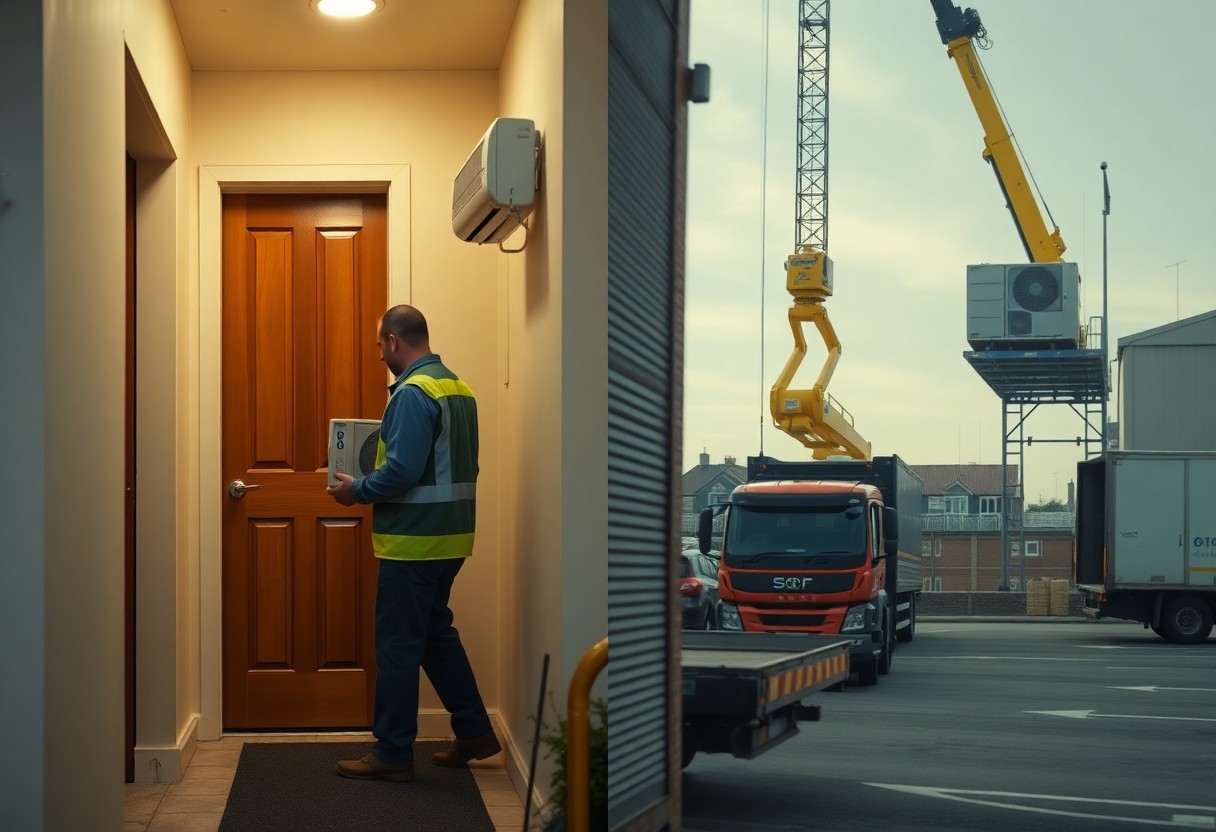
Paddington's steep streets force you to use smaller lifts and hand-carry equipment, requiring extra manpower and careful placement of outdoor units.

Managing High-Rise Crane Permits and Loading Zones in West End

West End projects ask you to secure crane permits, book loading zones and coordinate with council to avoid fines and delays.

Permits for high-rise crane lifts in West End often require traffic management plans, engineering certifications and a minimum seven-business-day council approval window, so you must factor permit timelines into your project schedule. You should liaise early with a licensed rigger and confirm loading zone bookings to prevent last-minute cancellations and extra costs.

System Selection Based on Building Structure

Site constraints and heritage status shape whether you opt for ducted, split, or VRF systems, with installers tailoring designs to preserve Paddington fabric while fitting compact West End footprints with minimal external impact.

Multi-Level Ducted Solutions for Large Paddington Residences

Older Paddington residences often require multi-level ducted systems so you can achieve zoned comfort without altering ceiling lines, with custom ductwork routed to respect period features and character.

Compact Multi-Split and VRF Systems for Urban West End Units

Compact multi-split and VRF systems suit narrow West End units because you can install multiple indoor units with small outdoor condensers, keeping installations discreet under strata limitations.

You should weigh multi-split for cost-effective, independent room control, while VRF offers higher efficiency and wider zoning for larger or mixed-use West End blocks; installers will assess condenser siting, refrigerant runs, sound ratings and any required electrical upgrades to meet strata and council requirements.

Regulatory Compliance and Heritage Constraints

Heritage listings in Paddington mean you must seek council approval for visible external equipment, while West End's mixed-use zoning requires adherence to body corporate bylaws and local noise limits that affect installation and operation.

Adhering to Traditional Character Design Codes in Paddington

You must match heritage facades, conceal outdoor units within rooflines or behind screened enclosures, and submit detailed plans to council for approval before installation.

Navigating Body Corporate and Noise Ordinance Standards in West End

Local body corporate rules in West End mean you often need strata approval, quieter equipment choices, and restricted installation times to meet night-time noise limits.

When you deal with body corporate and council noise rules in West End, expect strata meetings, written approvals and neighbour notifications; choose low-decibel outdoor units, position compressors away from shared boundaries, and obtain acoustic ratings and compliance certificates to avoid disputes and fines.

Environmental Micro-Climates and Unit Longevity

Micro-climates shape how long your AC lasts; Paddington's elevated, drier hills reduce surface moisture exposure, while West End's low-lying, river-adjacent air speeds corrosion and compressor wear. You should plan service frequency and component choices accordingly.

Addressing Insulation Gaps and Air Leakage in Older Homes

Insulation gaps let cool air escape, forcing your system to run harder; you should request targeted sealing, duct repairs and blower-door testing during service, since Paddington's cottages and West End terraces each show different leakage patterns.

Managing Humidity and Salt Air Proximity Near the Brisbane River

Close river proximity raises humidity and salt exposure; you need corrosion-resistant coatings, more frequent filter changes and condensate inspections, especially in West End where salt spray and sustained humidity accelerate wear.

Corrosion from salt-laden air attacks coils, fan blades and electrical contacts, shortening component life. You should schedule coastal-grade maintenance every 6-12 months, apply protective anti-corrosion coatings, swap exposed fasteners for stainless or sacrificial alloys, and consider siting or shielding outdoor condensers away from prevailing river breezes. Replacing coils or compressors preemptively and using higher-grade filters and inline dehumidification will reduce downtime and long-term costs.
Specialized Maintenance and Service Specializations

Local technicians tailor inspections to your building type, seasonal load and heritage constraints, giving you targeted service plans and quicker response times.

Restoring and Retrofitting Period-Specific Ventilation Systems

Restoring older ventilation systems requires you to balance heritage preservation with modern performance, ensuring discreet upgrades, compliant materials and measured airflow improvements.

High-Efficiency Filtration for Densely Populated Urban Corridors

Dense urban corridors force you to adopt higher-grade filters and regular replacement schedules so occupants experience lower particulate levels and fewer odours.

You should specify filter efficiency (MERV 13+ or HEPA where feasible) and pair filtration with increased fresh-air intake. Contractors in West End often prioritise pollution screens and continuous monitoring, while Paddington services focus on quieter, heritage-sensitive equipment and discrete installations that minimise visual impact.

Conclusion

Presently you will find Paddington services focus on heritage-friendly installations and individualized maintenance for older timber homes, while West End technicians often prioritize compact, energy-efficient solutions for apartments and mixed-use buildings, so you should choose providers based on property type, access constraints, and local permit practices.

FAQ

Q: What are the main differences in property types between Paddington and West End that affect air-conditioning choices?

A: Paddington features more stand-alone Queenslander and period homes with higher ceilings and attic spaces, so ducted systems and multi-split setups are common. West End contains a higher share of terraces, units and mixed-use buildings, making single- and multi-head split systems the usual choice. System capacity, piping length and installation positions vary by building type, so suppliers recommend different equipment and layouts for each suburb.

Q: How do installation logistics and access compare between the two suburbs?

A: Paddington properties often offer yard space for outdoor units but can have steep driveways, narrow side access or elevated roof work that require specialist rigs for rooftop ducted installs. West End projects frequently face restricted laneways, limited on-street parking and lift-only access in apartment blocks, which can mean hoists, scaffolding or apartment-by-apartment coordination. Site-specific access constraints influence labour time and method more than suburb alone.

Q: Do council, heritage or strata rules impact air-conditioning installs differently in Paddington and West End?

A: Paddington contains heritage overlays in many pockets; installations that alter street-facing facades or roofs may need Brisbane City Council or heritage committee approval. West End projects often fall under body corporate or strata rules for apartments and mixed-use buildings, requiring written approval for external units or shared-space work. Both suburbs require compliance with local building codes, but the approval route differs by property type.

Q: Are there notable differences in cost, supplier availability and response times for service and repairs?

A: West End’s higher population density usually supports more service providers and faster quotes for common split-system jobs, which can drive competitive pricing. Paddington jobs that involve ducted systems, long refrigerant runs or heritage compliance can increase labour and material costs and extend lead times. Emergency response times depend on traffic and parking conditions in both suburbs, so availability varies by provider and time of year.

Q: What maintenance and performance considerations should residents in each suburb keep in mind?

A: Paddington homeowners should check attic ventilation, roof-space access and long-line refrigerant performance for ducted systems, and schedule coil and filter cleaning to preserve efficiency. West End residents in apartments should monitor external condenser clearances, condensate routing in shared drains and more frequent filter cleaning because of urban dust and humidity. Service plans tailored to system type and building access reduce downtime and keep efficiency high in both areas.
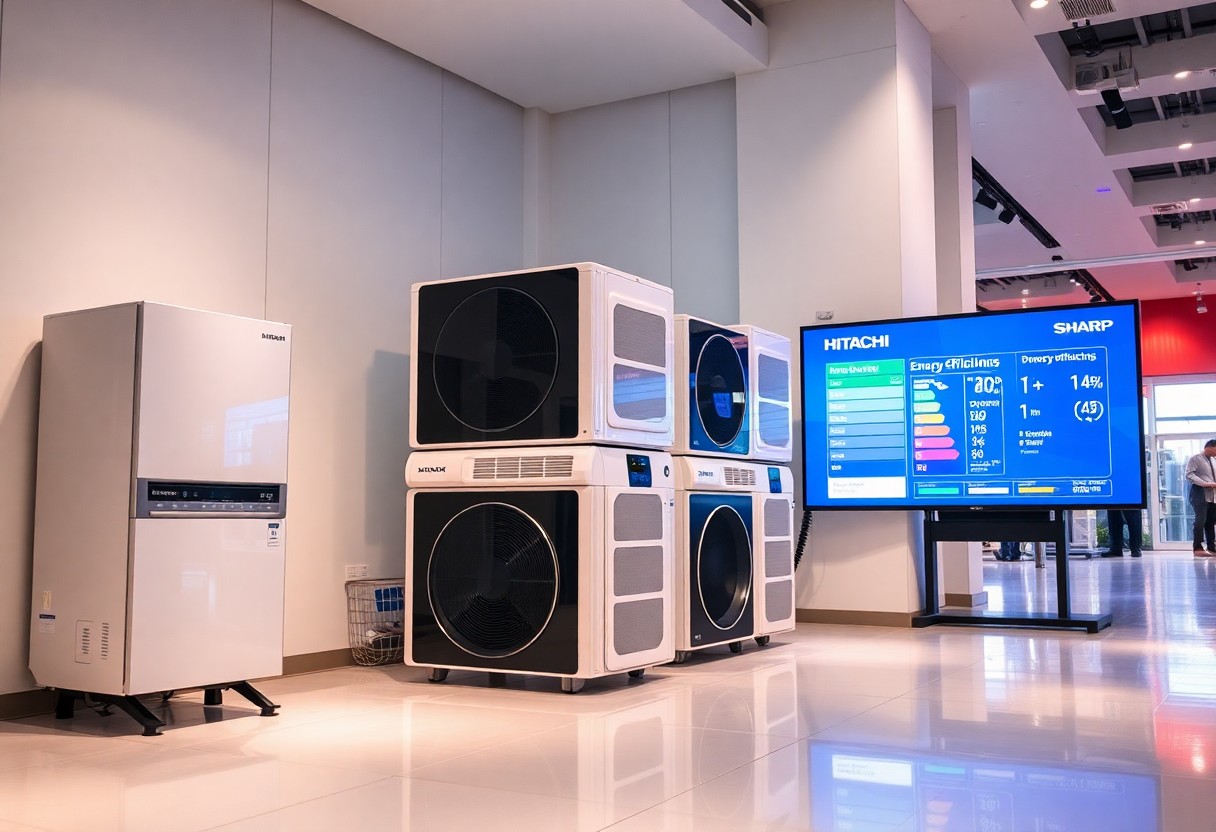
Hitachi vs Sharp Multi Head Units with Comparison Guide

Comparison of Hitachi and Sharp multi head units reveals distinct features and benefits that cater to your specific needs. This guide will help you navigate the strengths of each brand, providing insights into performance, efficiency, and overall value. By understanding the differences, you can make informed decisions that enhance your climate control experience in your home or business. Let's investigate the details to find the right unit for your requirements.

Key Takeaways:

  • Hitachi multi head units typically offer higher energy efficiency ratings compared to Sharp units.
  • Sharp units are known for advanced filtration systems, providing better air quality control.
  • Hitachi models often feature quieter operation, making them ideal for residential settings.
  • Sharp's multi head units offer more customization options for installation and design.
  • Both brands provide reliable performance, but Hitachi tends to have a longer warranty period.

Overview of Multi Head Units

Multi head units provide an efficient way to cool or heat multiple spaces simultaneously from a single outdoor unit. Their design allows for flexible installation and can cater to different room sizes and layouts, making them ideal for both residential and commercial applications. These systems also boast advanced control features, improving user experience and energy management.

Types of Multi Head Units

There are several types of multi head units, each suited for specific needs:

  • Refrigerant multi-head systems
  • Variable Refrigerant Flow (VRF) systems
  • Compact multi-split systems
  • Ductless mini-split systems
  • Hybrid multi-split systems

Perceiving the differences among these types can help you select the most appropriate unit for your space.

Type Features
Refrigerant multi-head Suitable for various room sizes
VRF systems Energy-efficient with flexible zoning
Compact systems Ideal for limited spaces
Ductless mini-split Easy installation without ductwork
Hybrid systems Combination of ducted and ductless capabilities

Key Features and Specifications

Multi head units come with several key features influencing performance and usability.

  • Energy efficiency ratings (SEER/EER)
  • Variable speed compressors
  • Remote control and smart technology integration
  • Quiet operation levels
  • Multi-zone capacity

Assume that selecting a unit with higher efficiency ratings can lead to considerable energy savings over time.

When examining key features, consider how they apply to your specific requirements. For instance, energy efficiency not only determines your future costs but also impacts environmental considerations. Systems with variable speed compressors adjust their output based on demand, ensuring optimal comfort without wasting energy.

  • Low ambient heating and cooling capabilities
  • Wide operating temperature range
  • Built-in air filtration systems
  • Multiple refrigerant options for customization
  • Ease of service and maintenance

Assume that these features can significantly enhance your overall satisfaction with the unit and improve indoor air quality.

Comparison of Hitachi and Sharp Multi Head Units

Feature Hitachi Sharp
Cooling Capacity High cooling capacity with variable output Consistent performance across units
Noise Levels Lowers noise levels for quieter operation Standard noise levels
Smart Features Advanced smart connectivity options User-friendly remote controls
Installation Flexibility Versatile installation options Standard installation requirements

Performance Analysis

Your choice between Hitachi and Sharp may hinge on performance metrics. Hitachi units excel with higher BTU ratings, making them ideal for larger spaces. Meanwhile, Sharp models deliver consistent performance in moderate areas, though they may need more units to cover similar areas as Hitachi. Overall, both brands cater to different needs based on space size and cooling demand.

Energy Efficiency

You should consider energy efficiency ratings when comparing these multi head units. Hitachi typically exceeds Sharp in SEER (Seasonal Energy Efficiency Ratio) ratings, often achieving values above 20. This means you can save more on utility bills with Hitachi over time, especially in warmer climates where running costs can escalate.

Hitachi's commitment to energy efficiency is reflected in its use of inverter technology, which adjusts compressor speed according to the cooling demand. This technology not only minimizes energy consumption but also reduces wear and tear, thus prolonging the unit's lifespan. Sharp, while competitive, tends to focus more on user-friendly features and technology, which can impact overall energy performance. Ultimately, if energy savings is a priority for you, Hitachi might be the better option. This can result in noticeable savings and environmental benefits over the lifespan of your unit.

Pros and Cons of Hitachi Multi Head Units

Pros Cons
Energy efficient, reducing your electricity bills. Higher upfront cost compared to some competitors.
Quiet operation, enhancing comfort in your living space. Limited availability in certain regions.
Durable build quality, extending the lifespan of the unit. Complex installation process for some models.
Advanced technology options, like smart controls. Customer service may vary by location.
Multiple indoor units allow for personalized comfort. Potential compatibility issues with older homes.
Environmentally friendly refrigerants used. Fan speed can be inadequate in larger spaces.

Advantages

You gain several benefits with Hitachi Multi Head Units, such as energy efficiency that translates to lower electricity costs, and a quiet operation for a more comfortable environment. Their durable build ensures longevity, while advanced technology options, including smart controls, enhance usability. Additionally, the multiple indoor units provide personalized temperature solutions for different rooms, making it a versatile choice for any household.

Disadvantages

On the flip side, Hitachi Multi Head Units come with certain drawbacks, including a higher initial price compared to some brands. Installation can be complex, often requiring professional assistance. Some users also report variable customer service experiences, especially in less accessible regions, and potential compatibility issues with older home systems can arise.

Specifically addressing the disadvantages, the higher upfront cost may discourage some buyers who are looking for budget-friendly options. Additionally, if you live in an older home, you might face challenges matching modern technology with existing structures, which could lead to extra spending on adaptations. This complexity could also stress the installation process, discouraging DIY enthusiasts and necessitating expert help, which adds to the overall expense.

Pros and Cons of Sharp Multi Head Units

Pros Cons
Affordable purchase price. Lower energy efficiency ratings.
Compact design for limited spaces. Less advanced technology than competitors.
Quiet operation during cooling. May require more frequent maintenance.
Easy installation process. Limited warranty coverage.
Compatible with various indoor units. Performance can vary by model.

Advantages

Sharp multi head units stand out for their affordability, allowing you to fit a reliable cooling solution within your budget. Their compact design is perfect for homes with limited space, and the quiet operation ensures minimal disturbance. Additionally, the straightforward installation process can save you time and hassle, while compatibility with various indoor units offers flexibility in your setup.

Disadvantages

While Sharp multi head units have their perks, they do have some downsides. The energy efficiency ratings tend to be lower, leading to potentially higher electricity bills over time. Furthermore, some models may lack the advanced technology features found in competitors, which can impact overall satisfaction.

The performance inconsistency across different models can be a deciding factor when considering Sharp units. Users have reported varying cooling capabilities, which can lead to frustration if the selected model does not meet your specific needs. In addition, with less advanced technology, you may be missing out on newer, energy-saving features that enhance comfort and efficiency.

Key Factors to Consider When Choosing Multi Head Units

When identifying a multi head unit, consider several key factors to ensure optimal performance and satisfaction. These include:

  • Energy efficiency ratings
  • Installation requirements
  • Noise levels
  • Maintenance needs
  • Overall cost of ownership

This can help you make an informed decision tailored to your specific needs.

Installation Requirements

Your unit's installation requirements can significantly impact your overall experience. You should assess the available space, existing ductwork, and compatibility with your home's electrical system prior to installation. In some cases, you may need professional installation to ensure everything operates efficiently and safely.

Budget and Cost of Ownership

Understanding your budget is imperative when comparing multi head units. The initial purchase cost, installation fees, and ongoing maintenance expenses should all factor into your decision. While a more expensive unit might offer better energy efficiency and lower utility bills, the long-term savings will influence your overall investment strategy.

Investing in a higher-priced unit may yield savings opportunities over time due to reduced energy consumption and fewer maintenance issues. For example, Hitachi units, while pricier, often result in lower electric bills due to their energy-efficient designs. Comparatively, Sharp's lower upfront costs could lead to increased utility expenses later. Carefully examine potential total costs, factoring in energy efficiency ratings and expected maintenance. Balancing these costs against your budget will guide you to a suitable choice for your circumstances.

Tips for Maintaining Multi Head Units

  • Perform regular filter cleaning or replacement.
  • Inspect and clean the outdoor unit from debris.
  • Check refrigerant levels annually.
  • Keep indoor units free from obstructions.
  • Schedule professional maintenance annually.

Thou will ensure longevity and efficiency with these practices.

Routine Maintenance Practices

Implementing routine maintenance is vital to the performance of your multi head unit. Start by checking and cleaning air filters every month; dirty filters can significantly hinder airflow and efficiency. Inspect the outdoor coils for dirt or debris that could block airflow, and clean them as needed. Make it a habit to check the condensate drain for clogs, as this can lead to water damage if neglected.

Troubleshooting Common Issues

Common issues with multi head units can often arise, disrupting your comfort. If you notice poor cooling or heating performance, check the thermostat settings first. If it's not responding, inspect the batteries and settings. Refrigerant leaks can lead to inefficiency; however, spotting a leak requires a professional technician. For strange noises, loose components or debris might be the cause, while an unfamiliar smell might indicate a system malfunction.

For troubleshooting issues, start with simple diagnostics. If the unit isn't cooling as it should, you may want to clean the filters or check the thermostat. Low refrigerant levels could indicate a leak; contact a certified technician to address this. Pay attention to any unusual sounds when the unit operates, as they can signal maintenance needs. Document all symptoms and their frequency to provide a technician with a clear overview of the issues when seeking professional help.

Step-by-Step Guide to Installation

Proper installation of your multi head units is necessary for optimal performance and efficiency. Following a structured approach will help ensure everything is set up correctly from the start.

Preparation and Planning

Task Description
Site Inspection Evaluate the installation location to ensure adequate space and accessibility.
Tools Gathering Collect necessary tools such as a drill, level, and measuring tape.
System Selection Choose the appropriate head units based on room sizes and cooling demands.

Installation Process

Begin installation by mounting the indoor units, ensuring they're level and have sufficient clearance for airflow. Connect refrigerant lines, electrical wiring, and drain pipes before moving to the outdoor unit, which should be positioned on a stable surface to avoid vibrations.

Installation Process

After securely mounting your indoor units, proceed by connecting refrigerant lines using flare fittings, which include a wrench for a tight seal. Electrical connections require adherence to local codes, usually involving a dedicated circuit. Lastly, verify drainage systems are correctly installed to prevent overflow issues, ensuring the system operates smoothly.

FAQ

Q: What are the main differences between Hitachi and Sharp multi head units?

A: The main differences include energy efficiency ratings, noise levels, and design aesthetics. Hitachi units often focus on quieter operation and advanced technology features, while Sharp units are known for their energy-saving capabilities and sleek designs.

Q: Which brand offers better energy efficiency in their multi head units?

A: Sharp generally provides higher energy efficiency ratings across their multi head units, making them a suitable choice for environmentally conscious consumers looking to lower electricity bills.

Q: How do the warranty terms compare for Hitachi and Sharp multi head units?

A: Hitachi typically offers a longer warranty period, covering parts and components for up to five years, while Sharp may offer a more standard three-year warranty on similar models.

Q: Are there notable features unique to Hitachi multi head units?

A: Yes, Hitachi units often include features like advanced filtration systems and customizable smart control options that can be integrated with home automation systems, enhancing user convenience.

Q: How does the installation process differ between Hitachi and Sharp units?

A: The installation process for both brands is similar, but Sharp units might require additional considerations for their design, while Hitachi units typically come with more comprehensive installation guides, simplifying the process for technicians.

Mitsubishi Heavy vs Mitsubishi Electric for Split Systems

You may be considering the best option for your home's heating and cooling needs, and the choice between Mitsubishi Heavy and Mitsubishi Electric split systems can be pivotal. Both brands offer excellent performance and reliability, but they cater to different preferences and requirements. In this post, we will explore the key differences in features, efficiency, and installation between Mitsubishi Heavy and Mitsubishi Electric, helping you make an informed decision for your split system solutions.

Key Takeaways:

  • Mitsubishi Heavy offers larger capacity models suitable for commercial applications.
  • Mitsubishi Electric is known for energy efficiency and advanced technology features in residential systems.
  • Mitsubishi Heavy units are typically more robust and may perform better in extreme weather conditions.
  • Mitsubishi Electric provides a broader range of smart home integration options.
  • Initial costs may vary, with Mitsubishi Electric often priced higher due to its advanced technology and features.

Overview of Mitsubishi Heavy and Mitsubishi Electric

Both Mitsubishi Heavy and Mitsubishi Electric are prominent names in the HVAC industry, each bringing distinct strengths to the table. While Mitsubishi Heavy focuses on robust industrial and commercial applications, Mitsubishi Electric excels in advanced residential solutions and innovative technology integration. Understanding their individual philosophies can help you determine which brand best aligns with your specific needs.

Company Background

Mitsubishi Heavy Industries, established in 1884, is a leader in heavy machinery and equipment, significantly contributing to infrastructure and industrial sectors. In contrast, Mitsubishi Electric, founded in 1921, prioritizes consumer electronics and energy-efficient technologies, aiming to enhance everyday living through innovation.

Product Lineup

Your choices within the product lineups of Mitsubishi Heavy and Mitsubishi Electric vary significantly. Mitsubishi Heavy offers high-capacity air conditioning systems suitable for larger commercial buildings, while Mitsubishi Electric provides a range of energy-efficient split systems tailored for residential applications, making it popular among homeowners.

Mitsubishi Heavy's offerings include the City Multi series, designed for expansive spaces with variable refrigerant flow technology that ensures optimal energy management. On the other hand, Mitsubishi Electric features the M-Series for residential environments, emphasizing quiet operation and smart controls. Their extensive product catalogs allow you to choose according to your space requirements and efficiency preferences, ensuring you find the ideal solution for your needs.

Performance Analysis

When evaluating Mitsubishi Heavy and Mitsubishi Electric, performance is a key factor. Both brands showcase impressive technology and engineering, but their distinct approaches impact reliability and efficiency. Analyzing temperature consistency, noise levels, and adaptability to various environments will provide valuable insights into which brand best suits your specific needs.

Energy Efficiency

Your energy bills directly benefit from choosing an energy-efficient system. Mitsubishi Electric is renowned for its advanced inverter technology, achieving seasonal efficiency ratings (SEER) as high as 26. Conversely, Mitsubishi Heavy often focuses on robust, energy-efficient models suited for extreme conditions, typically around SEER ratings of 20. Understanding these differences can help minimize your energy consumption.

Cooling and Heating Capacity

The cooling and heating capacity of your split system is a vital consideration. Mitsubishi Heavy generally offers higher output, making it ideal for larger spaces or challenging climates. In contrast, Mitsubishi Electric provides versatile options that suit various room sizes without compromising comfort. Assessing your specific requirements will ensure optimal performance year-round.

Features Comparison

Mitsubishi Heavy Mitsubishi Electric
High-efficiency compressor systems Advanced inverter technology for energy savings
Robust build quality for durability Sleek design with a modern aesthetic
Extensive warranty coverage Cutting-edge smart home integration

Technology and Innovation

Mitsubishi Heavy emphasizes reliability through its durable engineering and high-efficiency units, focusing on traditional HVAC technologies that have stood the test of time. In contrast, Mitsubishi Electric integrates smart technology, allowing for real-time monitoring and control, ensuring your system operates at peak efficiency and provides seamless user experiences.

User-Friendly Controls

User-friendly controls are pivotal when selecting between Mitsubishi Heavy and Mitsubishi Electric. Mitsubishi Electric offers intuitive smartphone applications and user interfaces that simplify system adjustments, while Mitsubishi Heavy's remote controls prioritize straightforward navigation, making it easier for you to manage your indoor climate effectively.

You'll find that Mitsubishi Electric's controls often include features like geofencing and smart scheduling, enabling your air conditioning to adjust based on your location and habits. In contrast, Mitsubishi Heavy focuses on providing crucial control features without overwhelming complexity. Both styles cater to different preferences, allowing you to choose based on whether you favor high-tech features or simplicity in operation.

Installation and Maintenance

The installation and maintenance of your split system play a vital role in its longevity and efficiency. Proper installation ensures that your system operates at peak performance, reducing energy bills and preventing future issues. Routine maintenance keeps your unit running smoothly, allowing you to enjoy optimal comfort with minimal interruption.

Installation Process

Your installation process begins with selecting the right system based on your needs. Professionals will assess your space and ensure proper placement for optimal airflow. They'll also handle refrigerant charging and electrical connections, ensuring everything meets local regulations. This meticulous approach lays the foundation for a reliable and efficient split system.

Maintenance Requirements

Cost Considerations

When identifying between Mitsubishi Heavy and Mitsubishi Electric for split systems, cost plays a significant role in your decision-making process. Initial pricing and long-term value are two key factors that can impact your overall investment.

Initial Pricing

Your upfront costs for Mitsubishi Heavy units typically fall within a lower range compared to Mitsubishi Electric systems. For instance, you might find that a standard model from Mitsubishi Heavy is priced around $3,000, while similar models from Mitsubishi Electric can start at $3,500. This price difference can be significant, especially for budget-conscious consumers.

Long-Term Value

Although initial pricing is important, consider the long-term value each brand offers. Mitsubishi Electric often highlights its systems' higher energy efficiency ratings, which can lead to substantial savings on your utility bills over time. In contrast, Mitsubishi Heavy's durability and lower maintenance costs can also result in a favorable long-term investment.

For example, a Mitsubishi Electric unit with an energy efficiency rating of SEER 22 may save you an estimated $400 annually on energy costs compared to a SEER 15 Mitsubishi Heavy system. Over its 12-year lifespan, that savings could reach $4,800, significantly offsetting the initial price difference. Additionally, the durability of both brands means fewer repairs and replacements, making long-term maintenance costs another factor to weigh in your decision. Assessing these aspects helps you make an informed choice that aligns with your budget and needs.

Consumer Reviews and Satisfaction

When evaluating Mitsubishi Heavy versus Mitsubishi Electric, consumer reviews reveal significant insights into satisfaction levels. Users consistently praise the reliability and performance of both brands, noting that they appreciate energy efficiency and low noise levels. However, some reviews highlight Mitsubishi Heavy's superior cooling capabilities in extreme temperatures, while others favor Mitsubishi Electric for its advanced technological features. Overall, feedback indicates a strong likelihood of repeat purchases from both companies.

Customer Experiences

Your personal experiences with customer service matter, and both Mitsubishi Heavy and Mitsubishi Electric frequently receive positive remarks in this area. Many customers report that installation processes are straightforward and that their systems function effectively over time. With a focus on durability, users often mention longevity, comparing the operational lifespan of their units favorably against competitors.

Warranty and Support

You'll find that both Mitsubishi Heavy and Mitsubishi Electric offer competitive warranties. Typically, you can expect a limited warranty ranging from 5 to 10 years for parts, demonstrating confidence in their product reliability. Their support services are often noted as accessible, providing assistance through various channels, including phone and online resources.

In greater detail, Mitsubishi Heavy provides a 7-year warranty on parts, which enhances your peace of mind when investing in a system. On the other hand, Mitsubishi Electric offers different warranty lengths depending on the model, with some high-end units featuring up to 10 years coverage on parts. Both brands also emphasize responsive customer support, featuring dedicated teams for troubleshooting and inquiries, ensuring that any post-installation issues are swiftly addressed. This commitment to support enhances overall consumer satisfaction, leading to loyal customers and referrals.

Final Words

The choice between Mitsubishi Heavy and Mitsubishi Electric for split systems ultimately depends on your specific needs and preferences. While Mitsubishi Heavy often excels in larger commercial applications with robust performance, Mitsubishi Electric caters more to residential customers with a focus on energy efficiency and advanced features. Evaluate factors such as installation requirements, energy ratings, and warranty support to determine which brand aligns best with your climate control goals and budget. Your informed decision will lead to a satisfactory long-term investment in your comfort and efficiency.

FAQ

Q: What are the main differences between Mitsubishi Heavy and Mitsubishi Electric split systems?

A: Mitsubishi Heavy generally focuses on commercial applications and offers robust systems designed for larger spaces, while Mitsubishi Electric primarily targets residential markets with a variety of options suitable for home use.

Q: Which brand offers a wider range of split system models?

A: Mitsubishi Electric offers a broader range of split system models, including more variations in design, efficiency ratings, and capabilities tailored to residential needs.

Q: How do the energy efficiency ratings compare between Mitsubishi Heavy and Mitsubishi Electric systems?

A: Both brands provide high energy efficiency ratings, but Mitsubishi Electric tends to have more models that achieve higher efficiency ratings specifically designed for residential settings.

Q: Which brand is better for quieter operation in split systems?

A: Mitsubishi Electric is often recognized for its quieter operation in split systems, making it a popular choice for residential installations where noise is a concern.

Q: What kind of warranty do Mitsubishi Heavy and Mitsubishi Electric offer on their split systems?

A: Mitsubishi Electric typically offers a more comprehensive warranty for residential units, whereas Mitsubishi Heavy may provide warranties that vary based on commercial applications and system types.