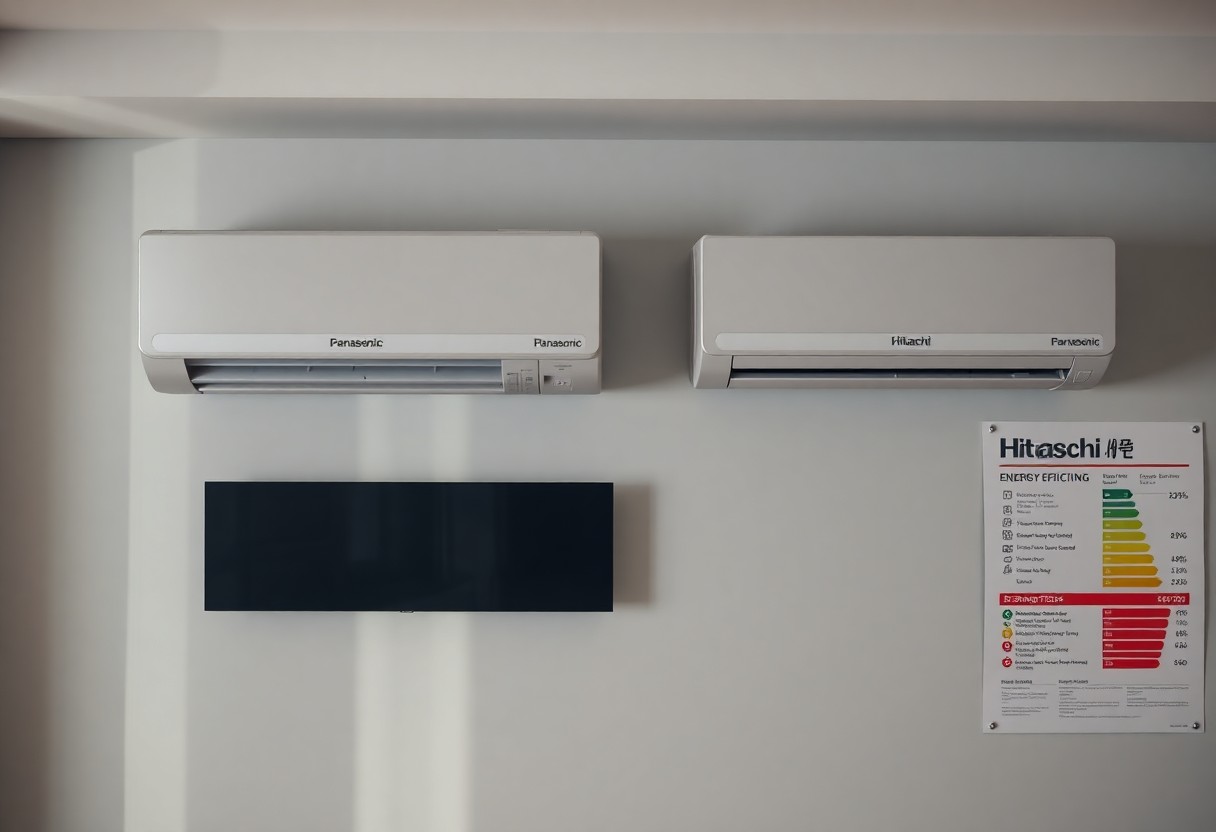
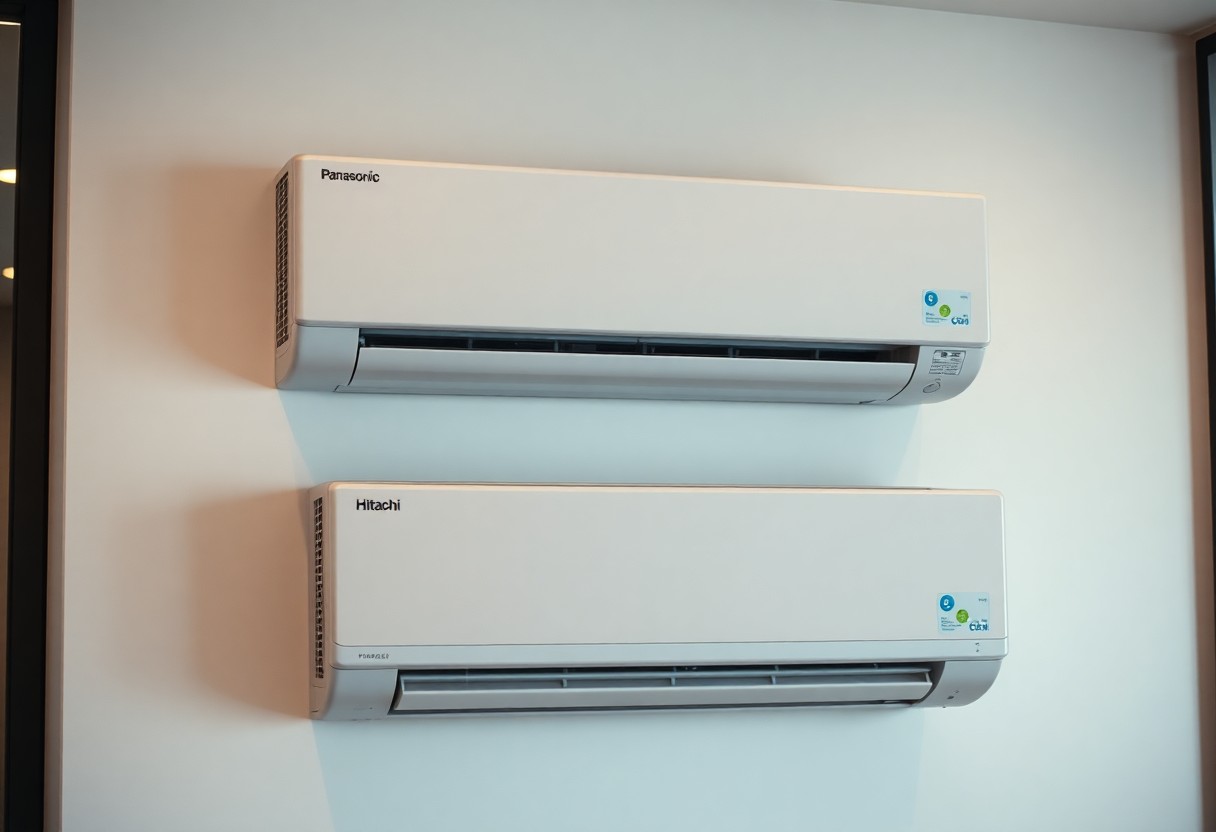
Comparison of Hitachi and Sharp multi head units reveals distinct features and benefits that cater to your specific needs. This guide will help you navigate the strengths of each brand, providing insights into performance, efficiency, and overall value. By understanding the differences, you can make informed decisions that enhance your climate control experience in your home or business. Let's investigate the details to find the right unit for your requirements.
Key Takeaways:
- Hitachi multi head units typically offer higher energy efficiency ratings compared to Sharp units.
- Sharp units are known for advanced filtration systems, providing better air quality control.
- Hitachi models often feature quieter operation, making them ideal for residential settings.
- Sharp's multi head units offer more customization options for installation and design.
- Both brands provide reliable performance, but Hitachi tends to have a longer warranty period.
Overview of Multi Head Units
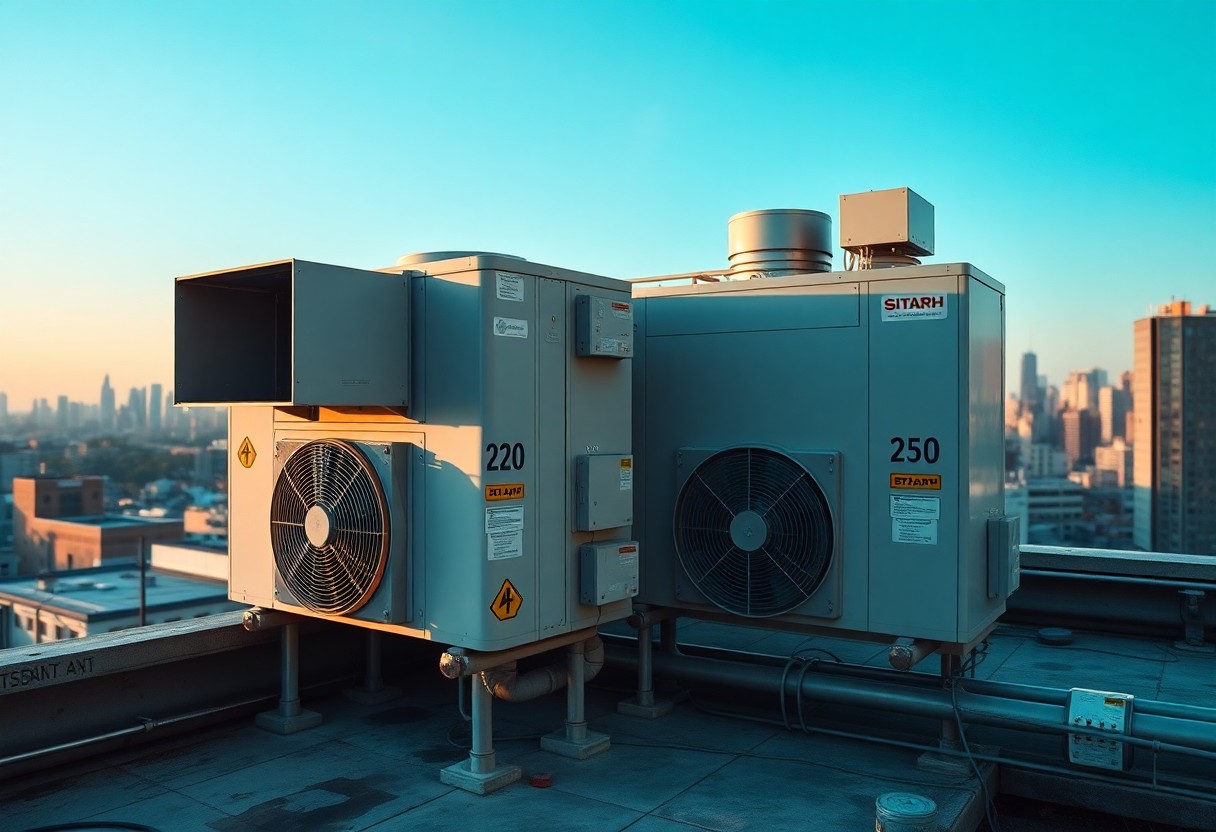
Multi head units provide an efficient way to cool or heat multiple spaces simultaneously from a single outdoor unit. Their design allows for flexible installation and can cater to different room sizes and layouts, making them ideal for both residential and commercial applications. These systems also boast advanced control features, improving user experience and energy management.
Types of Multi Head Units
There are several types of multi head units, each suited for specific needs:
- Refrigerant multi-head systems
- Variable Refrigerant Flow (VRF) systems
- Compact multi-split systems
- Ductless mini-split systems
- Hybrid multi-split systems
Perceiving the differences among these types can help you select the most appropriate unit for your space.
| Type | Features |
| Refrigerant multi-head | Suitable for various room sizes |
| VRF systems | Energy-efficient with flexible zoning |
| Compact systems | Ideal for limited spaces |
| Ductless mini-split | Easy installation without ductwork |
| Hybrid systems | Combination of ducted and ductless capabilities |
Key Features and Specifications
Multi head units come with several key features influencing performance and usability.
- Energy efficiency ratings (SEER/EER)
- Variable speed compressors
- Remote control and smart technology integration
- Quiet operation levels
- Multi-zone capacity
Assume that selecting a unit with higher efficiency ratings can lead to considerable energy savings over time.
When examining key features, consider how they apply to your specific requirements. For instance, energy efficiency not only determines your future costs but also impacts environmental considerations. Systems with variable speed compressors adjust their output based on demand, ensuring optimal comfort without wasting energy.
- Low ambient heating and cooling capabilities
- Wide operating temperature range
- Built-in air filtration systems
- Multiple refrigerant options for customization
- Ease of service and maintenance
Assume that these features can significantly enhance your overall satisfaction with the unit and improve indoor air quality.
Comparison of Hitachi and Sharp Multi Head Units
| Feature | Hitachi | Sharp |
|---|---|---|
| Cooling Capacity | High cooling capacity with variable output | Consistent performance across units |
| Noise Levels | Lowers noise levels for quieter operation | Standard noise levels |
| Smart Features | Advanced smart connectivity options | User-friendly remote controls |
| Installation Flexibility | Versatile installation options | Standard installation requirements |
Performance Analysis
Your choice between Hitachi and Sharp may hinge on performance metrics. Hitachi units excel with higher BTU ratings, making them ideal for larger spaces. Meanwhile, Sharp models deliver consistent performance in moderate areas, though they may need more units to cover similar areas as Hitachi. Overall, both brands cater to different needs based on space size and cooling demand.
Energy Efficiency
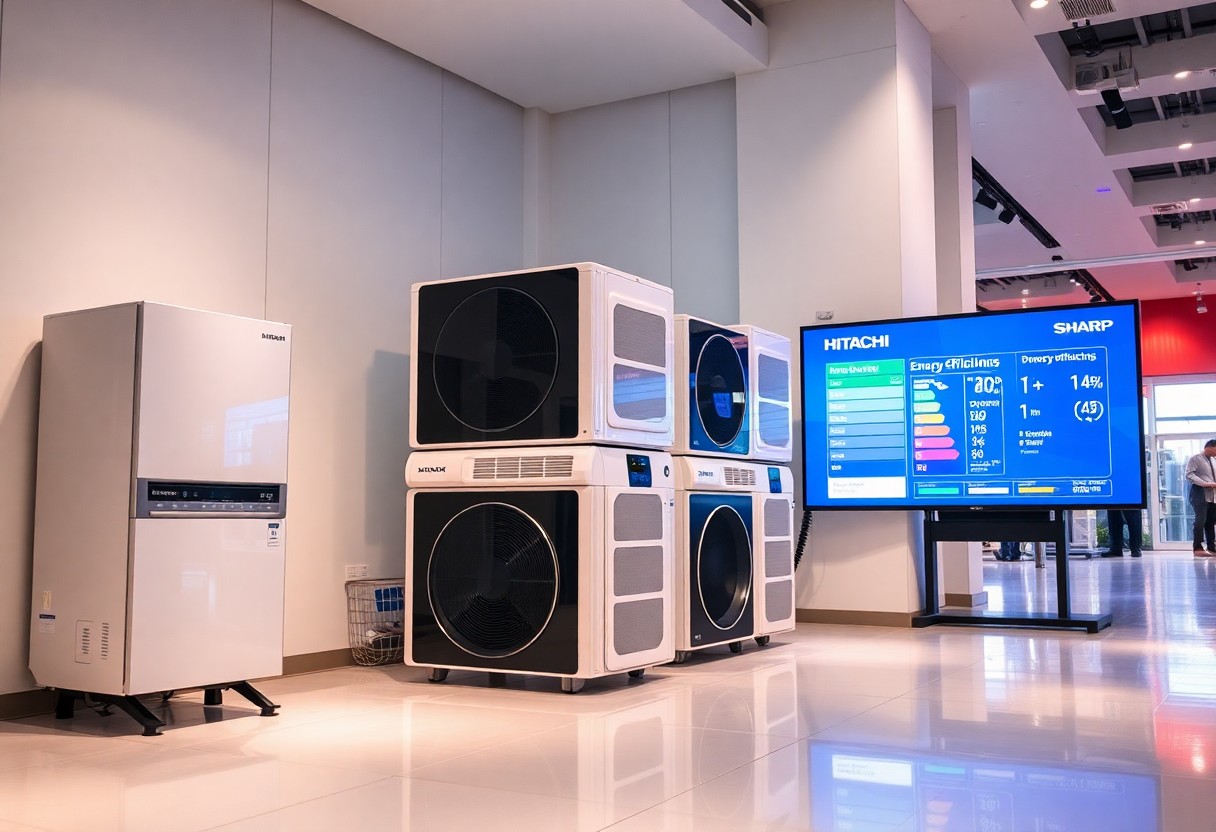
You should consider energy efficiency ratings when comparing these multi head units. Hitachi typically exceeds Sharp in SEER (Seasonal Energy Efficiency Ratio) ratings, often achieving values above 20. This means you can save more on utility bills with Hitachi over time, especially in warmer climates where running costs can escalate.
Hitachi's commitment to energy efficiency is reflected in its use of inverter technology, which adjusts compressor speed according to the cooling demand. This technology not only minimizes energy consumption but also reduces wear and tear, thus prolonging the unit's lifespan. Sharp, while competitive, tends to focus more on user-friendly features and technology, which can impact overall energy performance. Ultimately, if energy savings is a priority for you, Hitachi might be the better option. This can result in noticeable savings and environmental benefits over the lifespan of your unit.
Pros and Cons of Hitachi Multi Head Units
| Pros | Cons |
|---|---|
| Energy efficient, reducing your electricity bills. | Higher upfront cost compared to some competitors. |
| Quiet operation, enhancing comfort in your living space. | Limited availability in certain regions. |
| Durable build quality, extending the lifespan of the unit. | Complex installation process for some models. |
| Advanced technology options, like smart controls. | Customer service may vary by location. |
| Multiple indoor units allow for personalized comfort. | Potential compatibility issues with older homes. |
| Environmentally friendly refrigerants used. | Fan speed can be inadequate in larger spaces. |
Advantages
You gain several benefits with Hitachi Multi Head Units, such as energy efficiency that translates to lower electricity costs, and a quiet operation for a more comfortable environment. Their durable build ensures longevity, while advanced technology options, including smart controls, enhance usability. Additionally, the multiple indoor units provide personalized temperature solutions for different rooms, making it a versatile choice for any household.
Disadvantages
On the flip side, Hitachi Multi Head Units come with certain drawbacks, including a higher initial price compared to some brands. Installation can be complex, often requiring professional assistance. Some users also report variable customer service experiences, especially in less accessible regions, and potential compatibility issues with older home systems can arise.
Specifically addressing the disadvantages, the higher upfront cost may discourage some buyers who are looking for budget-friendly options. Additionally, if you live in an older home, you might face challenges matching modern technology with existing structures, which could lead to extra spending on adaptations. This complexity could also stress the installation process, discouraging DIY enthusiasts and necessitating expert help, which adds to the overall expense.
Pros and Cons of Sharp Multi Head Units
| Pros | Cons |
|---|---|
| Affordable purchase price. | Lower energy efficiency ratings. |
| Compact design for limited spaces. | Less advanced technology than competitors. |
| Quiet operation during cooling. | May require more frequent maintenance. |
| Easy installation process. | Limited warranty coverage. |
| Compatible with various indoor units. | Performance can vary by model. |
Advantages
Sharp multi head units stand out for their affordability, allowing you to fit a reliable cooling solution within your budget. Their compact design is perfect for homes with limited space, and the quiet operation ensures minimal disturbance. Additionally, the straightforward installation process can save you time and hassle, while compatibility with various indoor units offers flexibility in your setup.
Disadvantages
While Sharp multi head units have their perks, they do have some downsides. The energy efficiency ratings tend to be lower, leading to potentially higher electricity bills over time. Furthermore, some models may lack the advanced technology features found in competitors, which can impact overall satisfaction.
The performance inconsistency across different models can be a deciding factor when considering Sharp units. Users have reported varying cooling capabilities, which can lead to frustration if the selected model does not meet your specific needs. In addition, with less advanced technology, you may be missing out on newer, energy-saving features that enhance comfort and efficiency.
Key Factors to Consider When Choosing Multi Head Units
When identifying a multi head unit, consider several key factors to ensure optimal performance and satisfaction. These include:
- Energy efficiency ratings
- Installation requirements
- Noise levels
- Maintenance needs
- Overall cost of ownership
This can help you make an informed decision tailored to your specific needs.
Installation Requirements
Your unit's installation requirements can significantly impact your overall experience. You should assess the available space, existing ductwork, and compatibility with your home's electrical system prior to installation. In some cases, you may need professional installation to ensure everything operates efficiently and safely.
Budget and Cost of Ownership
Understanding your budget is imperative when comparing multi head units. The initial purchase cost, installation fees, and ongoing maintenance expenses should all factor into your decision. While a more expensive unit might offer better energy efficiency and lower utility bills, the long-term savings will influence your overall investment strategy.
Investing in a higher-priced unit may yield savings opportunities over time due to reduced energy consumption and fewer maintenance issues. For example, Hitachi units, while pricier, often result in lower electric bills due to their energy-efficient designs. Comparatively, Sharp's lower upfront costs could lead to increased utility expenses later. Carefully examine potential total costs, factoring in energy efficiency ratings and expected maintenance. Balancing these costs against your budget will guide you to a suitable choice for your circumstances.
Tips for Maintaining Multi Head Units
- Perform regular filter cleaning or replacement.
- Inspect and clean the outdoor unit from debris.
- Check refrigerant levels annually.
- Keep indoor units free from obstructions.
- Schedule professional maintenance annually.
Thou will ensure longevity and efficiency with these practices.
Routine Maintenance Practices
Implementing routine maintenance is vital to the performance of your multi head unit. Start by checking and cleaning air filters every month; dirty filters can significantly hinder airflow and efficiency. Inspect the outdoor coils for dirt or debris that could block airflow, and clean them as needed. Make it a habit to check the condensate drain for clogs, as this can lead to water damage if neglected.
Troubleshooting Common Issues
Common issues with multi head units can often arise, disrupting your comfort. If you notice poor cooling or heating performance, check the thermostat settings first. If it's not responding, inspect the batteries and settings. Refrigerant leaks can lead to inefficiency; however, spotting a leak requires a professional technician. For strange noises, loose components or debris might be the cause, while an unfamiliar smell might indicate a system malfunction.
For troubleshooting issues, start with simple diagnostics. If the unit isn't cooling as it should, you may want to clean the filters or check the thermostat. Low refrigerant levels could indicate a leak; contact a certified technician to address this. Pay attention to any unusual sounds when the unit operates, as they can signal maintenance needs. Document all symptoms and their frequency to provide a technician with a clear overview of the issues when seeking professional help.
Step-by-Step Guide to Installation
Proper installation of your multi head units is necessary for optimal performance and efficiency. Following a structured approach will help ensure everything is set up correctly from the start.
Preparation and Planning
| Task | Description |
| Site Inspection | Evaluate the installation location to ensure adequate space and accessibility. |
| Tools Gathering | Collect necessary tools such as a drill, level, and measuring tape. |
| System Selection | Choose the appropriate head units based on room sizes and cooling demands. |
Installation Process
Begin installation by mounting the indoor units, ensuring they're level and have sufficient clearance for airflow. Connect refrigerant lines, electrical wiring, and drain pipes before moving to the outdoor unit, which should be positioned on a stable surface to avoid vibrations.
Installation Process
After securely mounting your indoor units, proceed by connecting refrigerant lines using flare fittings, which include a wrench for a tight seal. Electrical connections require adherence to local codes, usually involving a dedicated circuit. Lastly, verify drainage systems are correctly installed to prevent overflow issues, ensuring the system operates smoothly.
FAQ
Q: What are the main differences between Hitachi and Sharp multi head units?
A: The main differences include energy efficiency ratings, noise levels, and design aesthetics. Hitachi units often focus on quieter operation and advanced technology features, while Sharp units are known for their energy-saving capabilities and sleek designs.
Q: Which brand offers better energy efficiency in their multi head units?
A: Sharp generally provides higher energy efficiency ratings across their multi head units, making them a suitable choice for environmentally conscious consumers looking to lower electricity bills.
Q: How do the warranty terms compare for Hitachi and Sharp multi head units?
A: Hitachi typically offers a longer warranty period, covering parts and components for up to five years, while Sharp may offer a more standard three-year warranty on similar models.
Q: Are there notable features unique to Hitachi multi head units?
A: Yes, Hitachi units often include features like advanced filtration systems and customizable smart control options that can be integrated with home automation systems, enhancing user convenience.
Q: How does the installation process differ between Hitachi and Sharp units?
A: The installation process for both brands is similar, but Sharp units might require additional considerations for their design, while Hitachi units typically come with more comprehensive installation guides, simplifying the process for technicians.