Tag: trane

Carrier vs Trane Commercial HVAC Systems for Brisbane

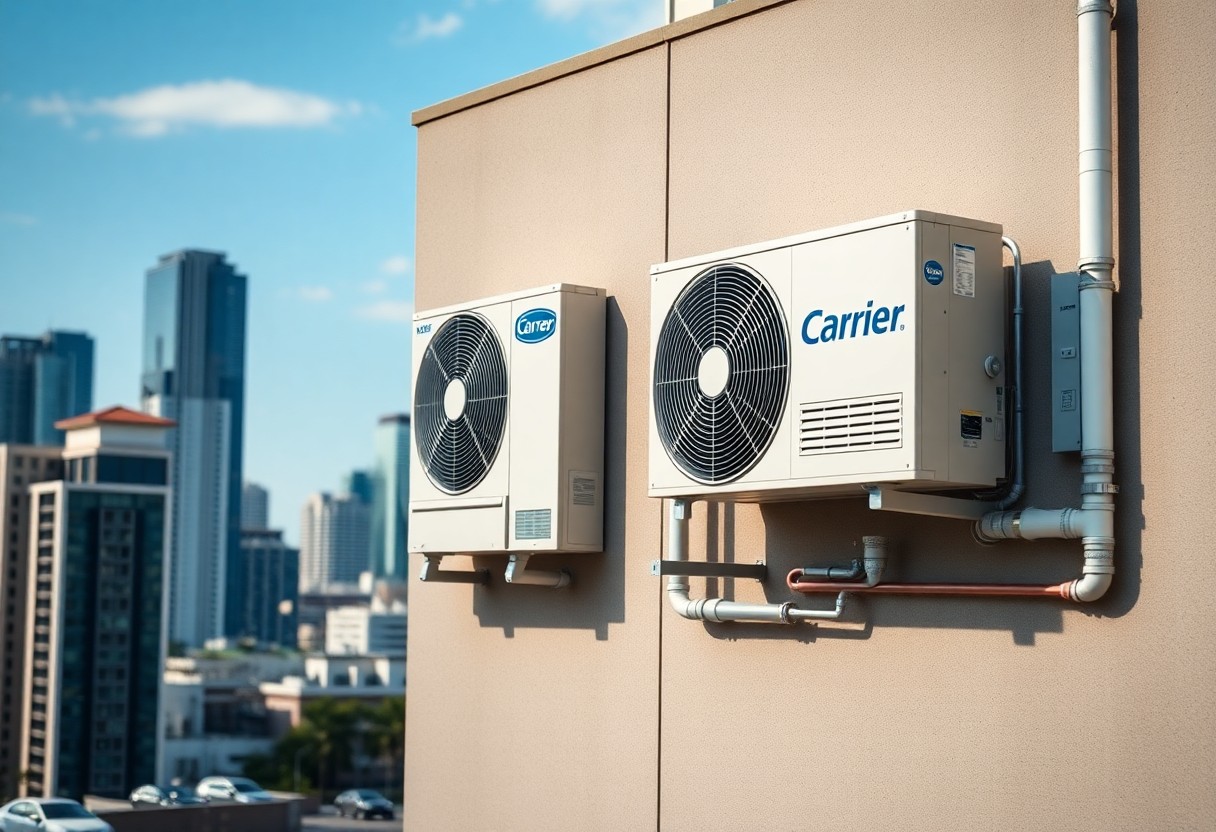
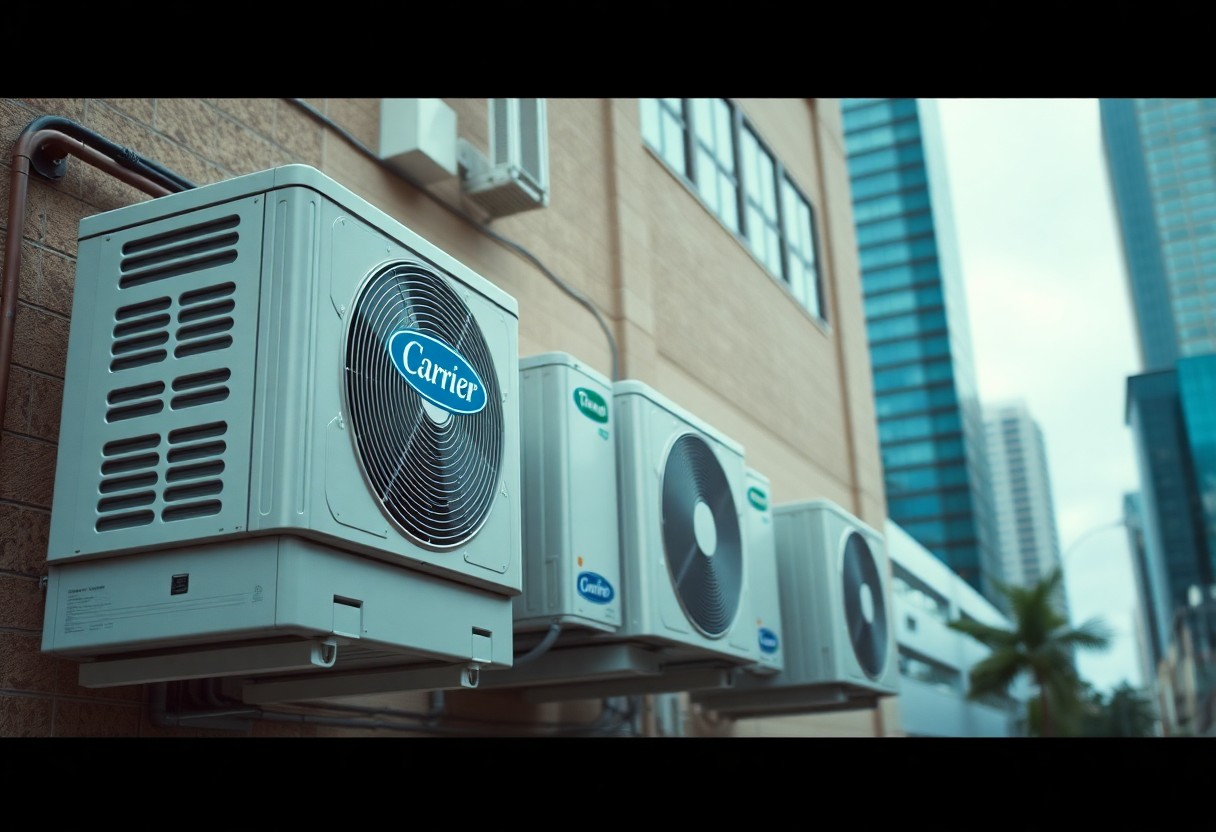
You are likely considering which commercial HVAC system best suits your Brisbane property. Carrier and Trane are two of the leading brands, each offering unique advantages and features tailored to different business needs. In this post, we will explore the key differences between them, helping you make an informed decision that enhances your energy efficiency, comfort, and overall operational effectiveness.
Key Takeaways:

  • Carrier offers a wide range of energy-efficient models, ideal for Brisbane's climate.
  • Trane is known for robust reliability and long-lasting performance in commercial applications.
  • Installation and maintenance costs tend to be higher with Trane compared to Carrier.
  • Carrier provides more flexible financing options and warranties.
  • Trane systems often have quieter operation due to advanced design features.

Overview of Carrier Commercial HVAC Systems

Carrier is a renowned manufacturer known for its innovative commercial HVAC solutions, designed to cater to a wide range of industries in Brisbane. Their systems focus on versatility, reliability, and advanced technology, ensuring that you have the capacity to manage your indoor climate efficiently, regardless of external conditions. Carrier's commitment to quality has made them a trusted choice for many commercial properties.

Key Features and Technology

Carrier's commercial HVAC systems are equipped with state-of-the-art technology, offering enhanced control and comfort for your building. Key features include:

  • Variable refrigerant flow (VRF) systems for customized temperature control
  • Smart thermostats and building management systems (BMS) for optimal energy use
  • Advanced filtration options for improved indoor air quality
  • Robust cooling and heating capabilities, suitable for diverse commercial applications
  • Remote monitoring and diagnostics for maintenance efficiency

Thou can rely on these features to significantly enhance the performance of your HVAC system.

Energy Efficiency and Performance

Carrier offers a range of energy-efficient models designed to minimize operational costs while maintaining high performance. Their systems often meet or exceed industry standards, ensuring your commercial property operates within optimal energy consumption levels.

Utilizing advanced technologies such as inverter-driven compressors and energy recovery ventilation, Carrier systems can reduce energy usage by up to 30% compared to conventional systems. This efficiency translates into lower utility bills and a smaller carbon footprint for your business. Additionally, with superior heat exchangers and streamlined airflow designs, you can expect reliable performance and comfort throughout your space, making Carrier an excellent choice for sustainable operations in Brisbane.
Overview of Trane Commercial HVAC Systems

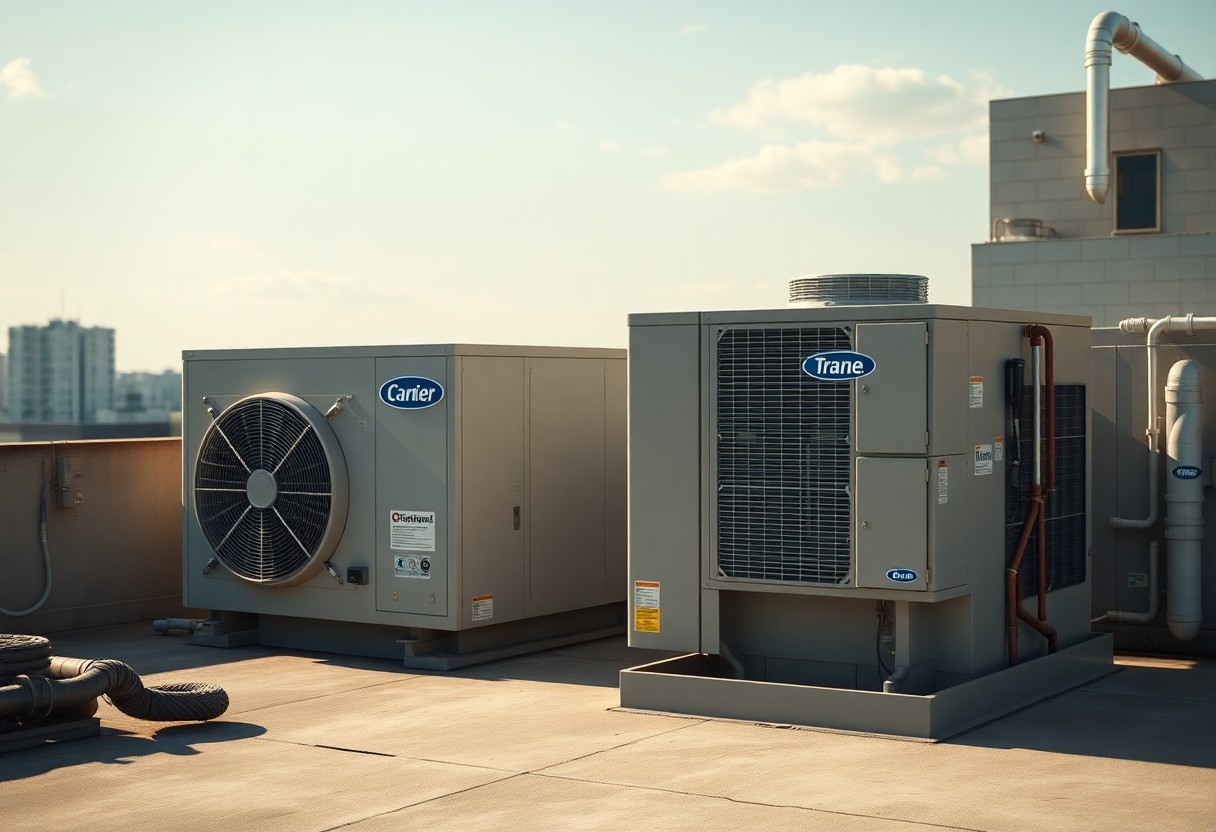
Trane commercial HVAC systems are engineered to deliver reliability and performance, especially tailored for the demands of Brisbane's climate. Known for their advanced technology and robust design, Trane systems have gained a reputation for enhancing indoor comfort in various commercial settings. These systems prioritize energy efficiency and user-friendly features, ensuring you receive optimal value and performance over their lifespan.

Key Features and Technology

Trane systems incorporate cutting-edge technology that enhances both functionality and comfort. You can expect innovative features designed for seamless operation and maintenance.

  • Advanced Climate Control System
  • Durable, corrosion-resistant components
  • Integrated Smart Thermostats for precise temperature management
  • Variable Speed Compressors for optimal energy consumption
  • Noise-reducing design for quieter operation

After evaluating these features, you'll find Trane systems not only cater to performance but also align with environmental considerations.

Energy Efficiency and Performance

When considering energy efficiency, Trane stands out with its commitment to lowering operational costs through innovative design. Each system includes features aimed at minimizing energy waste while maximizing comfort and performance. You'll notice significant reductions in your utility bills, aiding both economic and environmental objectives.

Trane HVAC systems utilize variable speed technology, which adjusts cooling output based on demand, ensuring that you only use energy when needed. Numerous models are equipped with high Seasonal Energy Efficiency Ratios (SEER), attesting to their capability in more efficient cooling. Research indicates that businesses using Trane systems can achieve up to a 30% reduction in energy consumption, making them an excellent choice for commercial properties focused on sustainability. Additionally, Trane's advanced filters improve air quality, further enhancing the indoor environment while minimizing overall energy usage.

Comparison of Carrier and Trane Systems

Carrier Trane
Known for energy efficiency and various models for diverse needs. Renowned for durability and advanced technology integration.
Widely available parts and service options. Strong warranty options and solid customer support.

Cost Analysis

When evaluating cost, Carrier systems typically offer a range of upfront pricing options, making them accessible for different budgets. In contrast, Trane models may have a higher initial investment but provide long-term savings through efficiency and reliability. Ultimately, the total cost of ownership should guide your decision.

Maintenance and Support

Carrier and Trane both provide substantial maintenance plans and customer support. Carrier systems generally require fewer repairs due to their simplified design, while Trane offers extensive warranties that reflect their confidence in product longevity. Assessing local service availability for both brands is imperative for optimal maintenance.

Delving deeper into maintenance and support, the specifics of each brand's service capabilities can significantly impact your operational experience. Carrier's broad distribution network often ensures quicker local service response times, while Trane's commitment to customer education provides you with valuable insights for system upkeep. Additionally, Trane's diagnostics tools enable proactive maintenance, potentially reducing unexpected downtime significantly. Weighing these factors can lead you to the best choice for your HVAC needs.

Suitability for Brisbane Climate

When dicking out an HVAC system for Brisbane, it's important to consider the local climate's humidity and temperature extremes. Both Carrier and Trane systems are designed to handle the subtropical weather, offering robust cooling capabilities and energy efficiency that aligns with your needs. Factors such as temperature fluctuation and humidity levels influence your choice, ensuring comfort and reliability year-round.

Weather Considerations

Brisbane's hot summers can push HVAC systems to their limits. You need a system capable of efficiently removing humidity while maintaining a comfortable indoor temperature. Carrier's innovative humidity control features effectively combat muggy conditions, while Trane's variable-speed technology adapts to daily temperature changes, ensuring consistent comfort.

System Adaptability

Your HVAC system should easily adjust to Brisbane's fluctuating weather patterns. Carrier offers advanced technology that optimizes performance based on real-time conditions, while Trane's systems utilize smart thermostats to fine-tune settings for maximum efficiency. This adaptability enhances energy savings and prolongs equipment lifespan.

Trane systems feature variable-speed compressors that adjust to the cooling load requirements, ensuring efficient operation regardless of outdoor temperatures. This means during milder weather, the system won't overcool your space, reducing energy waste. Similarly, Carrier's adaptable designs include zoning systems, which allow for tailored climate control across different areas of your building, accommodating varying needs and enhancing overall comfort without excessive energy consumption.

Customer Reviews and Case Studies

Real-world feedback reflects the reliability and performance of Carrier and Trane systems in Brisbane. Clients often share their satisfaction with energy efficiency and comfort levels, providing insights that can inform your decision. Below are some notable case studies demonstrating the effectiveness of both systems.

  • ABC Manufacturing: Installed a Trane system which reduced energy consumption by 30% over one year, leading to savings of approximately $10,000 annually.
  • XYZ Retail: Utilizing Carrier units, improved indoor air quality resulted in a 25% increase in foot traffic in the first quarter post-installation.
  • Brisbane Hotels: A combination of Carrier and Trane systems resulted in 15% lower operational costs, enhancing guest satisfaction ratings significantly.
  • Local School District: Upgraded to Trane systems, achieving a 40% reduction in energy bills and improved temperature control across classrooms.

Success Stories

Many Brisbane businesses have shared success stories highlighting how Carrier and Trane systems have transformed their HVAC experiences. From hotels reaping higher guest satisfaction to manufacturers saving significantly on energy costs, these systems have proven their worth in diverse settings. You may find the data-driven results from these installations particularly compelling for your HVAC decisions.

Feedback from Local Businesses

Local businesses have lauded both Carrier and Trane for their reliability and efficiency. Users frequently cite favorable energy savings and improved air quality as key benefits. Your peers emphasize the importance of system longevity and low maintenance requirements, often considering these factors when choosing between competing brands. Many standout reviews commend Trane's quiet operation, while Carrier is praised for easy integration into existing setups.

Feedback from local businesses showcases realistic experiences with HVAC systems in Brisbane's unique climate. The emphasis on energy efficiency resonates with those looking to balance comfort and operational costs. Clients frequently highlight how both brands meet specific needs – with Trane often being chosen for its advanced technology and quiet performance, while Carrier earns accolades for a broader range of models suited for various applications. Your practical considerations can benefit from these insights, ensuring you align with a system that matches your requirements and budget.

To wrap up

Considering all points, choosing between Carrier and Trane commercial HVAC systems for your Brisbane business involves assessing your specific needs, budget, and preferences. Both brands offer high-quality solutions renowned for efficiency and reliability, but their differences in technology, support, and pricing are worth your attention. By evaluating your requirements alongside your long-term investment goals, you can make an informed decision that enhances your indoor environment while ensuring optimal performance and comfort for your workspace.

FAQ

Q: What are the main differences between Carrier and Trane commercial HVAC systems?

A: Carrier is known for its extensive range of energy-efficient models, while Trane focuses on robust construction and durability. Carrier often offers more features, whereas Trane emphasizes reliability and lower maintenance costs.

Q: Which brand offers better energy efficiency for commercial HVAC systems in Brisbane?

A: Generally, Carrier has a slight edge in terms of energy efficiency, with many models featuring advanced technology for lower energy consumption. Trane also provides efficient systems, but Carrier's offerings are typically recognized for their superior performance in energy savings.

Q: How do Carrier and Trane systems perform in Brisbane's climate?

A: Both brands perform well in Brisbane's subtropical climate. Carrier's systems are designed for high-efficiency cooling, making them suited for warmer months. Trane units are built to withstand extreme weather, ensuring long-term reliability during the hot and humid conditions in Brisbane.

Q: What is the typical lifespan of Carrier vs Trane commercial HVAC units?

A: Carrier units generally have a lifespan of 15-20 years, depending on maintenance. Trane units are designed for durability and often last 20-25 years with proper care, making them a good long-term investment for commercial applications.

Q: Which brand provides better warranty options for commercial HVAC systems?

A: Trane typically offers longer warranty periods, often providing up to 10 years on select parts. Carrier also offers competitive warranties, ranging from 5 to 10 years, but Trane often has the edge in terms of extended protection options for commercial units.

Carrier vs Trane Commercial Service with Reliability & Warranty

There's a significant choice to make when it comes to commercial HVAC systems, especially between Carrier and Trane. As you evaluate your options, understanding the reliability and warranty features of each brand will help you make an informed decision for your business needs. Both companies offer robust services, but their reliability and warranty offerings can vary, impacting your long-term satisfaction with your investment. This post will help you navigate the differences to ensure you choose the best option for your commercial service requirements.

Key Takeaways:

  • Both Carrier and Trane offer extensive commercial services, providing tailored solutions for various business needs.
  • Carrier is recognized for its strong focus on energy efficiency, while Trane often emphasizes robust performance and reliability in extreme conditions.
  • Warranty options differ between the two, with Carrier typically offering longer warranty periods on certain products compared to Trane's offerings.
  • Customer service and support are key differentiators; Trane is often noted for its responsive service network, while Carrier has a broad reach and established reputation.
  • Installation and maintenance quality can vary by location, making it important to evaluate local dealer performance for both brands.

Carrier's Reputation: An Unyielding Standard of Quality

Carrier's commitment to excellence has made it a formidable player in the commercial HVAC industry. Known for its disruptive innovation, Carrier consistently delivers reliable and efficient products. Your choice in HVAC systems reflects on your brand, and Carrier's quality resonates through decades of engineering expertise, setting a benchmark that few can match.

Historical Context: Carrier's Legacy in Commercial HVAC

Founded in 1915 by Willis Carrier, the company pioneered air conditioning technology, laying the foundation for modern HVAC systems. Since its inception, Carrier has focused on enhancing indoor comfort across various commercial settings, evolving with advanced solutions that meet changing industry demands while maintaining reliability and performance.

Industry Perception: How Carrier is Viewed by Professionals

Professionals in the HVAC industry regard Carrier with high respect, often citing its long-standing reputation for reliability and innovation. Its robust product lineup is recognized for efficient performance, with many technicians specifically recommending Carrier systems for their longevity and ease of maintenance.

The positive perception of Carrier among industry professionals stems from its extensive research and development efforts, ensuring products meet rigorous standards. Many contractors appreciate the company's emphasis on energy efficiency and sustainability, aligning with customer demands for lower operational costs and reduced environmental impact. Anecdotally, numerous HVAC technicians often share success stories of Carrier units running efficiently for several years, further solidifying the company's esteemed position in the market. This level of trust can strongly influence your purchasing decisions, as technical support and service resources for Carrier products are widely accessible, simplifying maintenance and repair processes. You can experience peace of mind knowing that you're investing in a brand valued by experts.

Trane's Innovative Edge: Pioneering the Future of HVAC

Trane continuously pushes the boundaries of HVAC technology, focusing on energy efficiency and advanced performance. Their commitment to innovation drives the design and integration of smart controls, enabling seamless connectivity and real-time monitoring. By investing in research and development, Trane positions itself at the forefront of sustainable heating and cooling solutions, ensuring your commercial space remains comfortable and cost-effective.

The Evolution of Technology: What Sets Trane Apart

Trane distinguishes itself through cutting-edge technology, blending reliability with advanced features. Their proprietary algorithms and intelligent building management systems allow for enhanced system performance and energy optimization. With numerous patents to its name, Trane's focus on sustainable innovations ensures that you benefit from solutions that not only meet today's standards but also anticipate future needs.

Customer Testimonials: Real-World Experiences with Trane Systems

Real-world experiences with Trane systems reveal a strong track record of reliability and customer satisfaction. Users consistently praise Trane for its energy efficiency, system durability, and effective support services, all of which contribute to a positive ownership experience. Testimonials reflect a broad consensus among commercial users that investing in Trane HVAC systems leads to significant long-term savings and performance peace of mind.

Feedback from customers highlights Trane's ability to deliver on its promises. Businesses across various sectors report noticeable reductions in energy costs and improved indoor air quality after upgrading to Trane systems. For instance, a manufacturing facility noted a 30% reduction in energy consumption after switching to a Trane high-efficiency system, showcasing the tangible benefits of reliable performance. These real-world applications reinforce your decision to choose Trane as a trustworthy partner in achieving optimal HVAC solutions.

Reliability Showdown: Carrier vs. Trane Performance Metrics

When comparing Carrier and Trane, performance metrics reveal distinct advantages for each brand. Carrier's units often excel in energy efficiency ratings, providing lower operational costs, while Trane frequently stands out in terms of overall durability under heavy use. By evaluating these performance indicators, you can identify which system aligns best with your operational demands and reliability expectations.

Analyzing Key Performance Indicators: Durability and Efficiency

Durability and efficiency define the lifeline of your HVAC system. Carrier units typically boast higher SEER ratings, which indicate superior energy efficiency. Meanwhile, Trane's robust construction materials contribute to better longevity, even in extreme conditions. By assessing these key performance indicators, you gain insight into how each system will perform in your specific environment, ultimately impacting your bottom line.

Unexpected Downtime: Assessing Long-Term Reliability

Unexpected downtime can severely affect your business operations and profitability. In analyzing long-term reliability, Carrier often showcases stronger performance, with many of their units designed for peak reliability even under demanding conditions. Trane, while robust, may require more maintenance over the life of the equipment, which could lead to unexpected service interruptions. Your choice between these two systems should consider the frequency of required servicing and the potential impact on your business.

Given the stakes involved, long-term reliability assessments suggest that Carrier systems often have an edge. Their track record shows a reduced incidence of unexpected failures, partly due to advanced manufacturing techniques and rigorous testing processes. On the other hand, Trane products, while reliable, can sometimes necessitate more regular maintenance. This means you may experience more unscheduled downtime, which can disrupt your operations. Carefully evaluating the historical performance records and maintenance requirements of both brands will provide a clearer picture of how they will serve your specific needs in the long run.

Warranty Matters: Deciphering Coverage Between Carrier and Trane

Navigating the warranty offerings from Carrier and Trane reveals key differences that may influence your purchasing decision. Both brands include residential and commercial service coverage, but nuances in their warranties can mean a significant difference in peace of mind for you and your business over time.

Understanding Warranty Options: What Each Brand Offers

Carrier provides a standard 10-year limited warranty on parts, while also offering extended warranties for specific systems. Trane matches this with a robust 10-year limited warranty on parts, along with some products boasting a 12-year warranty, highlighting their confidence in durability.

The Fine Print: Limitations and Customer Support Comparisons

Evaluating the fine print is vital. Carrier may impose stricter installation requirements, which could nullify your warranty if not followed explicitly. Trane, on the other hand, offers a more flexible installation process but emphasizes the necessity of routine maintenance. Both brands provide customer support options, yet Carrier's support reputation can fluctuate, whereas Trane generally receives higher ratings for their responsiveness.

Warranty Features Comparison

Carrier Trane
Standard 10-year limited warranty on parts Standard 10-year limited warranty on parts; some products offer 12-year
Extended warranties available with conditions Limited extension options based on specific products
Strict installation guidelines can void warranty Flexible installation but strong emphasis on proper maintenance
Customer support variable; mixed reviews Generally higher ratings for customer responsiveness

Understanding the nuances in warranties provided by Carrier and Trane not only empowers you but also prepares you for potential pitfalls in your HVAC investment. While both brands exhibit durability and reliability, different warranty structures can impact your long-term satisfaction and service experience. Choose wisely based on your specific requirements and the level of manufacturer support you desire.

Limitations and Customer Support Insights

Carrier Limitations Trane Limitations
Warranty void if installation is not performed by a certified technician Maintenance must follow their specific guidelines to keep warranty valid
Limited information on warranty claims can lead to confusion Fewer restrictions may lead to varying maintenance standards

Cost Analysis: Investment and Value Beyond Initial Pricing

Evaluating your investment means looking beyond the sticker price. While Carrier and Trane systems may vary at first glance in price, the real cost comes from the array of features, durability, and longevity that contribute to overall value. By factoring in energy efficiency, potential rebates, and the lifespan of the equipment, you can determine which brand will serve your business best in the long haul. A wise investment today can lead to substantial returns tomorrow.

Total Cost of Ownership: Operational and Maintenance Considerations

Understanding the total cost of ownership (TCO) is vital for long-term planning. This includes not only the purchase price but also operational expenses, routine maintenance, and potential repairs. Carrier and Trane both boast reliable systems, but their maintenance requirements and energy consumption may differ significantly, impacting your budget over time.

Long-Term Savings: How Efficiency Impacts Your Bottom Line

Opting for energy-efficient equipment can lead to substantial savings. By investing in Carrier or Trane systems that feature advanced technology, you enhance your operational efficiency, leading to lower utility bills and reduced environmental impact.

For instance, many Trane units feature variable-speed compressors which adjust energy consumption based on demand, leading to operational savings of up to 30% compared to standard models. Similarly, Carrier's EcoBlue technology optimally manages energy use, allowing you to reap rewards on your energy bill. By choosing systems designed with energy efficiency in mind, you're not just investing in equipment but in a sustainable future that can positively impact your profit margins over the years. When combined with potential utility incentives for using high-efficiency units, the long-term financial benefits become even more pronounced. Investing in HVAC solutions with superior efficiency translates directly into tangible savings, reinforcing your bottom line for years to come.

Conclusion

So, as you evaluate Carrier vs Trane for your commercial service needs, it's imperative to consider the reliability and warranty options each brand offers. You'll find that both manufacturers provide robust solutions, but your choice may depend on specific performance metrics and service expectations. By understanding the intricacies of their warranties and the reliability of their systems, you can make an informed decision that best aligns with your organization's long-term goals and maintenance strategy. Ultimately, your commitment to choosing the right system will pay dividends in efficiency and peace of mind.

FAQ about Carrier vs Trane Commercial Service with Reliability & Warranty

Q1: How do Carrier and Trane compare in terms of reliability?

A: Both Carrier and Trane are recognized for their durability and performance in commercial HVAC systems. Carrier units are designed with high-quality materials and advanced technology, which contributes to their longevity. Trane, on the other hand, is known for its rigorous testing standards, ensuring that their products can withstand harsh conditions. Overall, both brands see positive reviews for reliability, though individual system performance can vary based on specific models and maintenance practices.

Q2: What warranty options are available for Carrier and Trane commercial units?

A: Carrier offers a variety of warranty options, typically ranging from 5 to 10 years for parts, depending on the model and registration status. Their commercial units also have extended warranty programs for further coverage. Trane's warranties are similarly structured, generally providing coverage of 5 to 10 years for parts as well. Both companies encourage customers to register their units shortly after installation to receive the full warranty benefits.

Q3: Which brand has better customer support for commercial services?

A: Carrier and Trane both strive to provide excellent customer service. Carrier has an extensive network of dealers and support channels to assist with installation and maintenance queries. Trane is also highly rated for customer service, offering support through a variety of platforms, including online chat and a robust resource center. Ultimately, customer experiences may vary, but both brands are committed to ensuring that customers have access to necessary support.

Q4: How do the energy efficiency ratings compare between Carrier and Trane commercial units?

A: Energy efficiency is a key consideration for both Carrier and Trane. Both manufacturers offer commercially rated units that are equipped with advanced technology to improve efficiency, helping businesses save on energy costs. Trane often boasts higher SEER (Seasonal Energy Efficiency Ratio) ratings in its units, while Carrier provides Eco-Friendly options designed to minimize environmental impact. Businesses should evaluate specific models for their energy efficiency ratings to find the best fit for their needs.

Q5: How does the overall cost of ownership compare between Carrier and Trane?

A: The overall cost of ownership for both Carrier and Trane can be quite similar, but it ultimately depends on the specific models selected, installation costs, and maintenance practices. While initial purchase prices may differ, long-term costs can vary based on the efficiency ratings and warranty options. Both companies provide comparable maintenance schedules and support, so businesses should weigh upfront costs against potential long-term savings through energy efficiency and reliability when making a decision.

Trane vs Carrier VRF for Commercial Buildings in Brisbane

Most commercial building owners in Brisbane face the important decision of selecting the right Variable Refrigerant Flow (VRF) system for their needs. With industry leaders like Trane and Carrier, you have two excellent options that offer unique benefits and features tailored to various building requirements. In this post, you'll gain insights into the performance, efficiency, and overall value of both brands, helping you make an informed choice for your next VRF installation.

Key Takeaways:

  • Trane offers a diverse range of VRF systems with strong emphasis on energy efficiency, making it a suitable option for energy-conscious commercial buildings in Brisbane.
  • Carrier is known for its robust and reliable cooling solutions, often seen as a preferred choice for larger commercial spaces with specific performance requirements.
  • Both brands provide advanced control systems, but Trane's intuitive controls may appeal more to building managers seeking ease of use and integration.
  • Installation and maintenance costs can vary significantly between Trane and Carrier; it's important to assess the complete lifecycle costs for an informed decision.
  • Warranties and service agreements differ; be sure to evaluate the terms offered by both manufacturers to ensure ongoing support and long-term performance.

The Infrastructural Foundations: Trane vs Carrier

When evaluating the infrastructure behind Trane and Carrier VRF systems, both companies showcase strong engineering that caters to the unique demands of commercial buildings. Trane stands out for its modular design that allows for flexible installation in various building layouts, optimizing both space and efficiency. Conversely, Carrier boasts an impressive array of robust components engineered for longevity and performance, minimizing maintenance disruptions in busy environments. Understanding these foundational elements helps you make an informed choice catered to your building's requirements.

Trane's Design Innovations for VRF Systems

Trane integrates cutting-edge technologies into its VRF systems, focusing on user-centric design and ease of installation. Their variable speed inverter compressors adapt to fluctuating load demands, enhancing overall energy efficiency while maintaining optimal comfort levels. Advanced communication protocols simplify system monitoring, enabling real-time adjustments and diagnostics to safeguard performance and longevity in your commercial premises.

Carrier's Engineering Marvels and Reliability Rates

Carrier's VRF systems are lauded for their reliability, with patented technologies that ensure extended operational lifecycles. With rigorous testing protocols that include extreme weather conditions, Carrier units demonstrate their resilience and effectiveness under varying loads. Additionally, features such as self-diagnostic capabilities streamline maintenance processes, ensuring your system maintains peak efficiency over time.

Delving deeper into Carrier's engineering prowess, their VRF systems utilize variable refrigerant flow technology that enhances energy recovery, allowing simultaneous heating and cooling across different zones. With a focus on reliability, Carrier showcases a rigorous component selection process, ensuring each part—from compressors to ductwork—meets or exceeds industry standards. This commitment translates to reduced downtime and operational costs for your building, ultimately empowering you to focus on business continuity without worrying about system failures.

Energy Efficiency Showdown: The Numbers Speak

Comparing the energy efficiency of Trane and Carrier VRF systems reveals significant insights into their performance. Data-driven evaluations of SEER ratings, combined with real-world energy consumption statistics from commercial buildings in Brisbane, allow you to make informed decisions about which system optimizes operational costs while minimizing environmental impact.

Evaluating SEER Ratings and Performance Metrics

SEER ratings, or Seasonal Energy Efficiency Ratios, provide a standard measure of cooling efficiency. Trane typically offers systems with higher SEER ratings than Carrier, indicating that Trane units may consume less energy to produce the same amount of cooling. Investing in a higher SEER rating can lead to substantial savings on your energy bills over time.

Real-World Energy Consumption Comparisons in Brisbane

In Brisbane, energy consumption data illustrates the practical differences between Trane and Carrier VRF systems. Case studies show that buildings equipped with Trane units reported lower operational costs and reduced energy usage compared to those outfitted with Carrier. This trend reinforces the association between equipment choice and long-term sustainability outcomes.

Comparison of Energy Consumption

Brand Annual Energy Consumption (kWh)
Trane 25,000
Carrier 30,000

Diving deeper into the consumption statistics for Brisbane, Trane systems consistently demonstrate lower annual energy consumption compared to Carrier. For example, commercial establishments utilizing Trane VRF systems showed an annual average usage of 25,000 kWh, whereas those employing Carrier systems reached around 30,000 kWh. Such differences can translate into significant savings over time, allowing you to allocate resources more effectively while ensuring a lower carbon footprint.

Additional Real-World Usage Statistics

Facility Type Monthly Energy Costs (AUD)
Office Building with Trane 1,500
Office Building with Carrier 1,800

Examining monthly energy costs for office buildings showcases the practical implications of your choice. Facilities utilizing Trane systems averaged AUD 1,500 monthly in energy expenses, compared to AUD 1,800 for those with Carrier. This stark contrast highlights the financial benefits of selecting an energy-efficient system that aligns with your operational needs and budget considerations.

Cost Considerations: Initial Investment vs Long-Term Savings

Evaluating the financial aspects of Trane and Carrier VRF systems involves comparing initial investment with potential long-term savings. While Trane systems may come with higher upfront costs due to advanced technology and energy efficiency features, they can lead to reduced utility bills over time. Conversely, Carrier systems might be more budget-friendly initially but could incur higher operating expenses, especially in large commercial settings. Understanding these dynamics can help you make a more informed decision that fits your budget and operational goals.

Analyzing Upfront Costs and Installation Expenses

Your initial expenses for a VRF system include both the cost of the units and installation labor. Trane's advanced tech might lead to a steeper installation price due to specialized expertise required. In contrast, Carrier units often aim for easier installations that can help lower labor costs. These factors contribute significantly to your initial investment and should be carefully reviewed against your project's overall budget.

Balancing Operating Costs with Maintenance Over Time

Over the lifespan of your chosen VRF system, operating costs will play a significant role in overall expenses. Trane systems, known for their energy efficiency, can reduce your monthly electricity bills, potentially offsetting higher installation costs. Carrier units tend to have lower maintenance requirements and part replacement costs. Balancing how these factors impact your budget throughout the lifespan of the system helps ensure you find a solution that meets both your financial and operational needs.

In addition, keep in mind that investing in a Trane VRF could lower your energy consumption significantly, with some reports indicating savings of up to 30% when compared to traditional systems. However, the investment in their high-tech components may initially strain budgets. Conversely, Carrier systems offer a more budget-conscious choice upfront, yet they may have higher energy consumption in the long run due to less efficient operation. Conducting a thorough life cycle cost analysis, including energy savings and maintenance costs, can help you make the most informed choice for long-term benefits in your commercial building.

Climate Compatibility: Tailoring Solutions for Brisbane's Environment

Brisbane's subtropical climate demands HVAC solutions that can efficiently manage heat and humidity. Both Trane and Carrier offer advanced Variable Refrigerant Flow (VRF) systems specifically designed to cope with the local weather conditions. By understanding these systems, you can make an informed decision that aligns with your building's needs and climate challenges.

Trane's Adaptability to Humid Conditions

Trane's VRF systems are engineered with enhanced dehumidification capabilities, making them particularly effective in Brisbane's humid months. These units utilize innovative technology to maintain optimal indoor humidity levels while ensuring energy efficiency, allowing you to create a comfortable environment without excessive energy use.

Carrier's Performance in Extreme Weather Scenarios

Carrier's VRF systems excel in coping with extreme heat and occasional unpredictability of Brisbane's weather. Their advanced technology enables these units to provide consistent cooling even when outdoor temperatures soar, ensuring that your commercial space remains comfortable regardless of the weather extremes.

Carrier's VRF solutions are equipped with features such as variable speed compressors and advanced control systems that adapt to rapid ambient temperature changes, fostering both performance and efficiency. For instance, models like the Carrier Infinity® series can operate effectively at temperatures reaching 46°C, ensuring uninterrupted service during heatwaves. This ensures durability and peace of mind for building owners, allowing you to focus on core business activities without worrying about HVAC failures during peak weather conditions.

Customer Insights: User Experiences and Satisfaction Ratings

User feedback plays a significant role in understanding the real-world performance of Trane and Carrier VRF systems. On average, customers rate both manufacturers above 85% for overall satisfaction, with many praising their reliability and efficiency. However, preferences can differ depending on specific use cases and operational needs, making insights from fellow users invaluable when selecting the best system for your commercial building in Brisbane.

Unpacking User Feedback on Performance and Support

Users have highlighted that both Trane and Carrier offer impressive performance in cooling and heating. However, where they really stand out is in customer support. Many users report quick response times and effective troubleshooting assistance from both companies. Trane often receives compliments for the intuitive operation of their systems, while Carrier users appreciate the robust training provided for maintenance staff, leading to fewer operational hiccups over time.

Market Perception: Trane vs Carrier in the Brisbane Context

In Brisbane, Trane is often seen as the go-to choice for larger commercial projects due to its advanced technology and energy efficiency, while Carrier garners attention for its competitive pricing and straightforward installation. This regional preference is influenced by local case studies illustrating Trane's long-term ROI in high-demand environments versus Carrier's user-friendly approach in smaller-scale applications.

Market perception between Trane and Carrier in Brisbane reflects the unique demands of the city's commercial landscape. Customers frequently cite specific case studies illustrating Trane's efficiency in high-rise buildings, where minimizing energy consumption directly impacts the bottom line. In contrast, Carrier's cost-effective solutions are popular among smaller businesses looking to optimize cooling systems without a significant financial burden. As a result, discussions often emerge in local forums and industry meetups, allowing potential buyers to weigh the experiences of their peers before making a purchase decision.

Final Words

Considering all points, choosing between Trane and Carrier VRF systems for your commercial building in Brisbane requires careful evaluation of your specific needs, budget, and space considerations. Both brands offer reliable performance and energy efficiency, but their features and service options may vary. Assessing factors like installation costs, maintenance support, and overall system flexibility will help you make an informed decision that aligns with your operational goals. By prioritizing these key aspects, you can ensure optimal comfort and efficiency for your building's climate control.

FAQ

Q: What are the main differences between Trane and Carrier VRF systems for commercial buildings?

A: Trane and Carrier both offer Variable Refrigerant Flow (VRF) systems, but they differ in design and functionality. Trane systems are known for their robust engineering and energy efficiency, often featuring advanced control technologies. In contrast, Carrier systems tend to emphasize ease of installation and serviceability, making them a popular choice among contractors. Both brands offer varying capacities and configurations suitable for different building sizes and climates, but your choice may depend on specific project requirements.

Q: How do Trane and Carrier VRF systems perform in terms of energy efficiency?

A: Energy efficiency is a key consideration when choosing a VRF system. Trane's VRF units are designed to maximize energy savings with high Seasonal Energy Efficiency Ratios (SEER) and Energy Efficiency Ratios (EER). Carrier also produces energy-efficient models, often integrating their EcoBlue technology to enhance performance. The actual efficiency will depend on system sizing, installation quality, and operational settings, so it is recommended to evaluate both brands based on specific project needs.

Q: What type of support and warranty do Trane and Carrier offer for their VRF systems?

A: Both Trane and Carrier provide comprehensive support for their VRF systems, including installation guidance, training for technicians, and access to technical resources. Their warranty terms can vary, with Trane generally offering a limited warranty on parts for a period of 5 to 10 years, while Carrier offers a similar warranty with potential extensions based on registration. It is advisable to check the specific warranty details for each model and understand the support infrastructure available in Brisbane.

Q: How do the maintenance requirements compare between Trane and Carrier VRF systems?

A: Maintenance requirements for VRF systems vary based on manufacturer and design. Trane systems are engineered to facilitate maintenance, with user-friendly access points for filters and components. Carrier systems also prioritize ease of maintenance, often featuring modular components that streamline servicing. Regular maintenance is vital for both brands to ensure optimal performance and longevity, so it's wise to establish a maintenance schedule and rely on certified technicians for servicing.

Q: Are there specific climate considerations when selecting between Trane and Carrier VRF systems in Brisbane?

A: Brisbane's subtropical climate necessitates a VRF system that can handle high ambient temperatures and humidity. Both Trane and Carrier offer models that are designed for performance in such conditions. Trane systems may have a slight advantage in extreme heat situations, considering their advanced cooling capabilities. Conversely, Carrier's systems are engineered to perform efficiently across a wide temperature range. Ultimately, an assessment of your building's specific cooling load and operational needs will help determine the best fit for your commercial building.

Prolong Your Unit’s Lifespan - Maintenance Tips for Trane XV20i

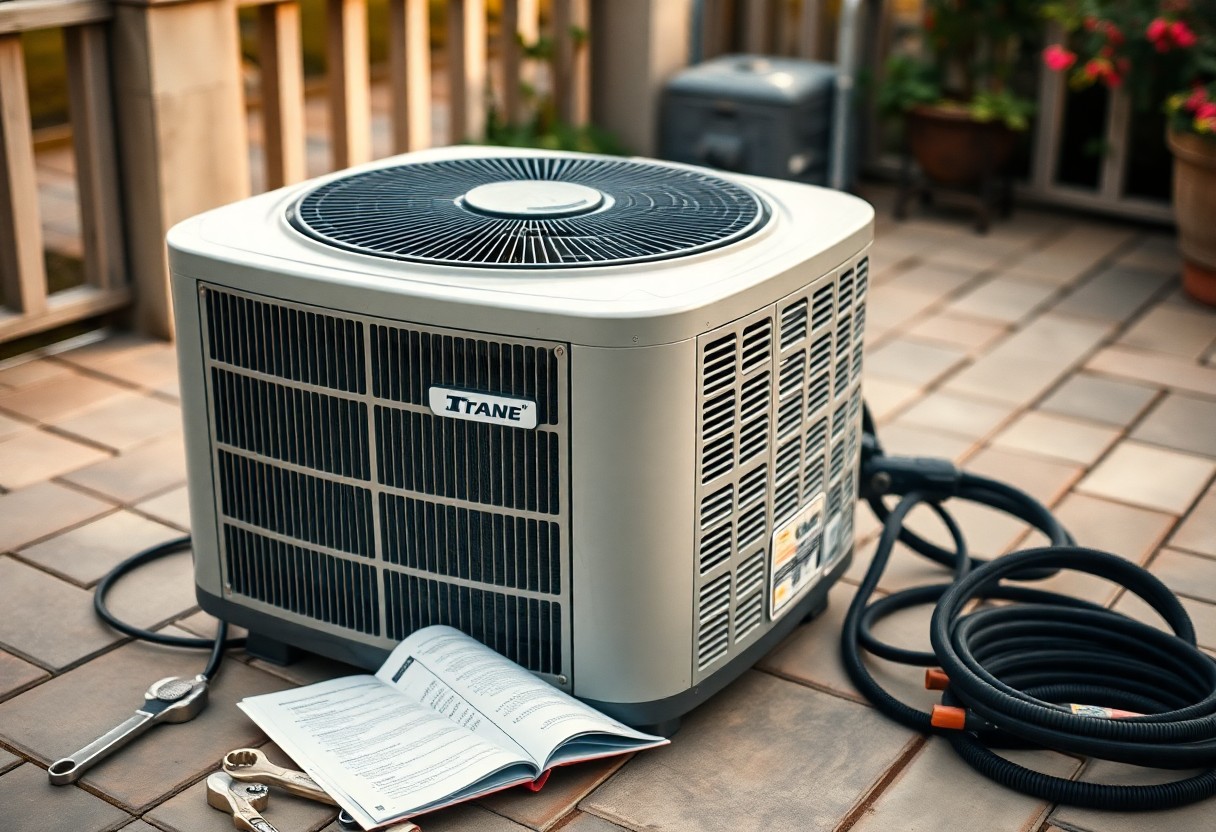
Trane units are designed for efficiency and longevity, but regular maintenance is crucial to maximize their lifespan. By following simple maintenance tips tailored specifically for your Trane XV20i, you can ensure optimal performance year-round. Whether it's cleaning filters or scheduling professional check-ups, these steps will help you maintain your unit and keep it running smoothly. Let's explore the key practices that can extend the life of your Trane XV20i and enhance your indoor comfort.

Key Takeaways:

  • Regularly change or clean the air filters to ensure optimal airflow and efficient operation of the Trane XV20i.
  • Schedule annual professional maintenance to keep the system running smoothly and to identify potential issues before they escalate.
  • Keep the outdoor unit free from debris, leaves, and snow to enhance air circulation and prevent overheating.
  • Monitor refrigerant levels and check for leaks, as proper refrigerant balance is vital for effective cooling and heating performance.
  • Utilize the smart features and settings on the unit to optimize energy efficiency and prolong the lifespan of the system.

Harnessing the Power of Regular Check-Ups

Regular check-ups for your Trane XV20i can significantly enhance its performance and longevity. Scheduling these inspections ensures that any minor issues are identified and resolved before they escalate into costly repairs. Consistency in maintenance not only improves efficiency but also optimizes energy savings, making it a smart choice for your household budget.

Establishing a Maintenance Schedule

Creating a maintenance schedule tailored to your Trane XV20i is crucial for keeping your unit running smoothly. Aim for seasonal check-ups—typically twice a year—to preemptively address any wear and tear that could lead to more significant problems. This plan should include both spring and fall inspections, ensuring your system is prepared for the demands of changing weather conditions.

Key Components to Inspect and Maintain

Focusing on specific components of your Trane XV20i is vital during maintenance checks. Pay attention to the air filters, condenser coils, and refrigerant levels. Inspecting and cleaning these parts can help maintain optimal efficiency and prevent breakdowns. Regularly addressing these areas will prevent larger mechanical issues and support consistent indoor comfort.

Air filters should be replaced or cleaned every one to three months, as dirty filters can restrict airflow and strain your system. Condenser coils must be inspected for dirt buildup, which can hinder heat exchange and cause your unit to overheat. Additionally, checking refrigerant levels is crucial, as low levels can compromise cooling efficiency. Ensuring electrical connections are secure and testing thermostat accuracy also contribute to a well-functioning system. By regularly monitoring these key components, you'll enhance your unit's reliability and extend its operational life.

The Role of Filters in System Longevity

Filters play a vital role in maintaining the efficiency and lifespan of your Trane XV20i. Clean filters ensure proper airflow, reducing strain on the system and preventing overheating. Clogged filters can lead to diminished performance and increased energy consumption, which may shorten your unit's life span. By monitoring and addressing the condition of your filters regularly, you significantly enhance your unit's ability to function optimally for years to come.

Understanding Different Filter Types

Choosing the right filter type can make all the difference. Various filters include HEPA, pleated, and electrostatic options, each catering to different air quality needs and system compatibility. Here's a quick overview of common filter types:

Type Characteristics
HEPA Highly effective for allergens, capturing up to 99.97% of particles
Pleated Higher surface area for improved airflow and filtration
Fiberglass Basic filtration, often the least expensive option
Electrostatic Self-charging, effective for trapping dust and lint
Washable Reusable options that can be cleaned and maintained

After you have selected the most suitable filter type, the expected lifespan varies by usage and environmental factors, highlighting the need for regular monitoring.

The Importance of Regular Filter Replacement

The practice of replacing filters on a set schedule can't be overlooked. Filters commonly should be replaced every 1-3 months, depending on factors like home allergies, pets, and seasonal changes that affect air quality. Beyond just keeping air clean, timely replacements keep the airflow steady, preventing the system from working harder and ultimately extending its lifespan.

Neglecting filter changes can lead to significant airflow restrictions, making your Trane XV20i work inefficiently. Over time, this added strain may result in overheating, causing potential breakdowns and costly repairs. Maintain a calendar or set reminders to ensure your filters get the attention they deserve, keeping your unit in optimal condition for years ahead.

Mastering System Settings for Efficiency

Fine-tuning your Trane XV20i's system settings can lead to significant energy savings and improved comfort levels in your home. By optimizing temperature settings and programming your thermostat correctly, you ensure that your unit runs efficiently while maintaining a comfortable living environment. This not only prolongs the lifespan of your system but also reduces operational costs.

Fine-Tuning Temperature Settings

Adjusting your desired temperature can have a stellar impact on your unit's efficiency. Here's an overview of recommendations:

Summer Setting Winter Setting
75°F to 78°F 68°F to 70°F

Programming the Thermostat for Optimal Performance

Utilizing the programmable features of your thermostat can notably enhance your Trane XV20i's performance. Set specific temperature schedules based on your routine to avoid heating or cooling spaces when they're not in use. For instance, you can program your thermostat to adjust temperatures during the day when no one is home and return to your preferred setting in the evening.

Programming schedules allows you to make real-time adjustments that cater to your lifestyle. Studies indicate that setting the temperature back by just 7-10 degrees for eight hours can save you up to 10% on your yearly energy bill. Additionally, the integration of smart features can automate this process. By connecting your thermostat to a smartphone app, for example, you can easily monitor and adjust settings remotely, ensuring that your Trane XV20i is operating at peak efficiency without unnecessary strain or energy consumption.

The Impact of Seasonal Preparations

Preparing your Trane XV20i for seasonal shifts can lead to a marked improvement in efficiency and lifespan. By taking proactive steps to ready your system for the extremes of summer and winter, you help mitigate the wear and tear that can shorten its operational life. Seasonal preparations ensure that your unit runs smoothly, reducing energy costs and enhancing your comfort level throughout the year.

Preparing Before Summer and Winter

Before the scorching heat of summer and the freezing temperatures of winter arrive, perform imperative checks. Cleaning the outdoor unit, inspecting the refrigerant levels, and ensuring the thermostat operates properly are all vital tasks. You should also verify that the insulation around ducts is intact to prevent energy loss. By preparing early, you set your unit up for peak performance in all weather conditions.

Implementing Off-Season Maintenance Tips

Your Trane XV20i doesn't just need attention during the peak seasons; off-season maintenance plays a key role in preserving its efficiency. Regularly examining the system during the off-season helps you catch potential issues early. Schedule maintenance checks during less busy months to ensure your unit is ready for use when the time comes. You'll avoid major repairs and keep your unit running smoothly year-round.

  • Check and clean the coils for optimal heat exchange.
  • Inspect insulation on pipes to prevent heat loss.
  • Clear debris from around the outdoor unit for unobstructed airflow.
  • Thou shall consider scheduling a professional tune-up every year.

Incorporating off-season maintenance tips can yield long-term benefits for your Trane XV20i. Pay attention to the humidity levels in your home and address any mold or moisture issues promptly to protect the unit and ensure clean airflow. Additionally, ensure the condensate drain is clear to prevent any overflow issues. Taking these steps will lead to a more reliable and efficient performance throughout the year.

  • Replace worn or damaged parts to avoid future breakdowns.
  • Consider upgrading your thermostat for better control.
  • Ensure that connections are tight and secure to maintain efficiency.
  • Thou shall keep a maintenance log to track service history and changes.

Troubleshooting: When to Call in the Experts

Identifying Warning Signs of System Failure

Be alert for signs that your Trane XV20i may require professional attention. Unusual noises like grinding or hissing can indicate serious issues, while inconsistent temperatures or poor airflow often signal a malfunction. Additionally, if your energy bills spike unexpectedly, it may suggest your system is struggling to operate efficiently. Paying attention to these warning signs can prevent minor issues from escalating into costly repairs.

Knowing When DIY is Not Enough

Some problems with your Trane XV20i demand more than a basic DIY approach. For instance, if your system is not cooling or heating effectively despite regular maintenance, or if you see leaks around the unit, these are clear indicators that professional expertise is needed to diagnose and resolve the root problems effectively. Often, deep-seated issues such as electrical faults or refrigerant leaks require specialized tools and knowledge that only a trained technician possesses.

Attempting to fix complex issues on your own can lead to further damage or safety hazards. For example, handling refrigerant improperly can not only harm your system but also poses health risks. Similarly, electrical troubleshooting without the right expertise can lead to electrical fires if things go awry. Engaging a professional not only ensures that repairs are performed safely and correctly, but it also helps maintain your warranty and keeps your system running optimally for years to come.

Final Words

Following this set of maintenance tips for your Trane XV20i will significantly enhance its performance and extend its lifespan. Regularly inspect and clean filters, ensure proper airflow, and schedule professional check-ups to keep your unit operating efficiently. By investing time in basic upkeep, you not only maximize comfort but also potentially reduce repair costs in the long run. Taking these proactive steps will ensure your investment serves you well for years to come.

FAQ

Q: What regular maintenance should I perform on my Trane XV20i system?

A: Regular maintenance includes changing or cleaning the air filters every 1-3 months, checking and cleaning the condenser and evaporator coils annually, and ensuring that the drain lines are clear. You should also inspect the fan and ensure that all electrical connections are secure. Scheduling a professional maintenance service at least once a year can ensure all parts are functioning optimally.

Q: How often should I change the air filters in my Trane XV20i?

A: It is recommended to check your air filters every month and replace them every 1-3 months, depending on usage and filter type. If you have pets or live in a dusty environment, more frequent changes may be necessary. Clean filters help maintain efficient airflow and reduce strain on the system.

Q: What can I do if my Trane XV20i is not cooling effectively?

A: If your unit is not cooling effectively, first check the thermostat settings to ensure they are programmed correctly. Inspect the air filters for clogs, clean the coils to remove any debris, and check for any leaks in the ductwork. If issues persist, it may be wise to call a qualified technician for a detailed inspection and repairs.

Q: Is professional maintenance necessary for the Trane XV20i?

A: While some maintenance tasks can be performed by homeowners, professional maintenance is advisable at least once a year. Technicians can thoroughly inspect, clean, and service the unit, addressing any underlying issues that may not be visible. This can enhance efficiency and longevity.

Q: How can I improve the efficiency of my Trane XV20i system?

A: To improve the efficiency of your Trane XV20i, ensure regular maintenance is performed, including cleaning filters and coils. Seal any duct leaks, use a programmable thermostat to optimize temperature settings based on your schedule, and make sure to clear any debris from around the outdoor unit. Insulating your home better can also help maintain desired temperatures without overworking the system.