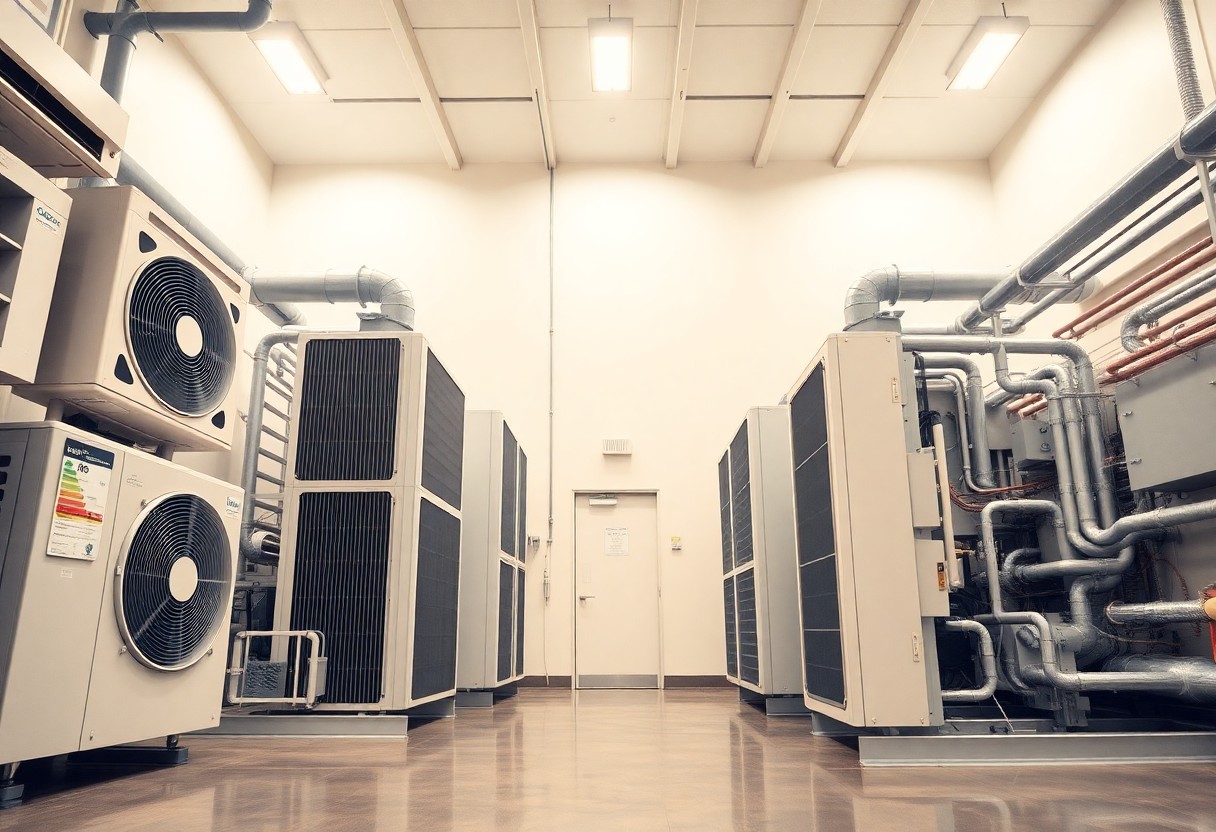
VRV systems play a significant role in optimizing climate control for commercial spaces, and when considering options like Carrier and York, understanding their features can impact your decision-making. You'll explore key differences in efficiency, technology, and capabilities that suit your business's unique needs. Both brands have strengths that may align with your operational requirements and budgetary constraints, providing you with comprehensive solutions for a comfortable working environment.
Key Takeaways:
- Carrier offers advanced control systems for energy efficiency and monitoring.
- York VRV systems are known for their flexible design and scalability for various business needs.
- Both brands provide reliable performance but differ in initial investment and operating costs.
- Carrier has a wider network for service and support globally.
- York VRV systems typically provide quieter operation and lower environmental impact.
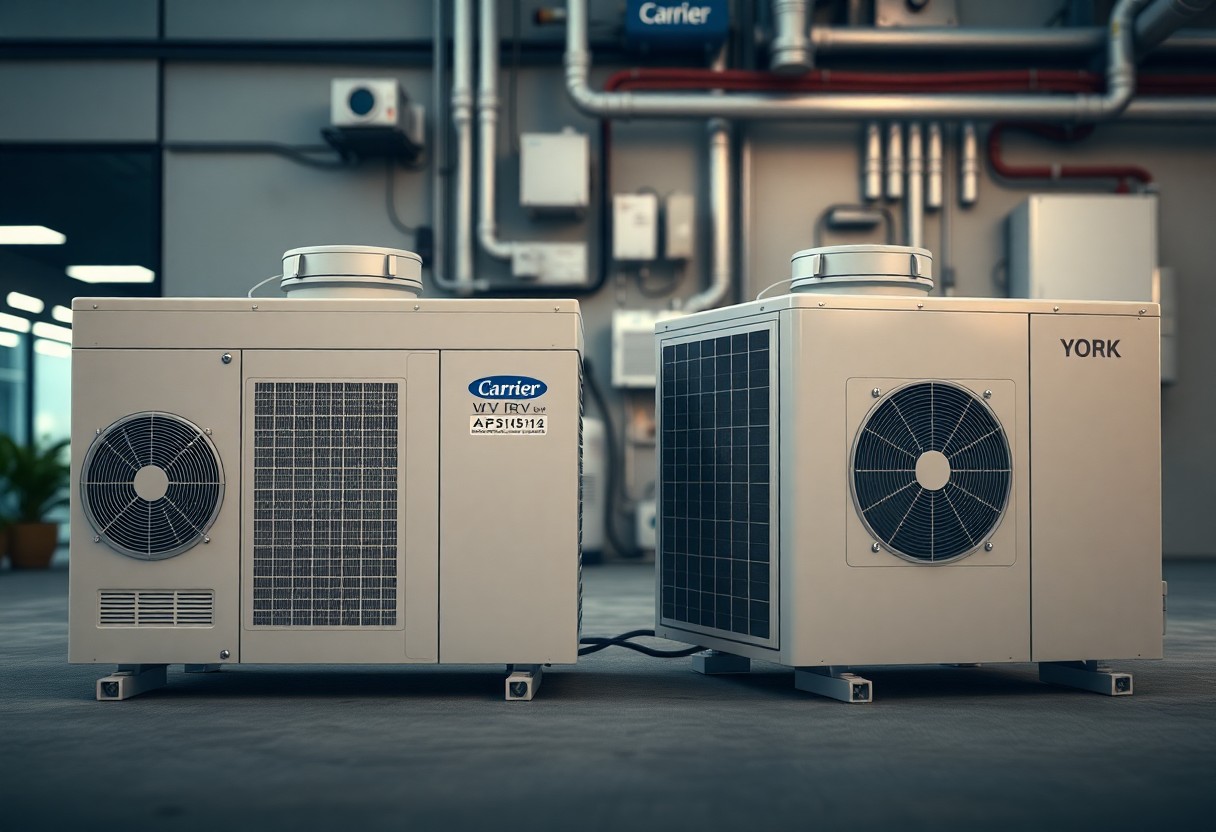
Overview of Carrier VRV Systems
Carrier VRV systems are engineered to provide flexible and efficient climate control solutions tailored for various commercial applications. With a commitment to innovation, these systems are designed to meet the specific needs of businesses, ensuring optimal comfort while maximizing energy savings. Their modular design allows easy integration into existing infrastructures, making them a versatile choice for any commercial environment.
Key Features
Carrier VRV systems come equipped with numerous key features that enhance their performance.
- Multi-zone capability for diverse spaces
- Quiet operation with low sound levels
- Advanced control options for personalized settings
- Flexible installation configurations
- High reliability with proven technology
Recognizing these features can help you understand why Carrier VRV systems are a preferred choice for many businesses seeking efficient climate solutions.
Energy Efficiency
Energy efficiency is a hallmark of Carrier VRV systems, as they are designed to operate with minimal energy consumption while maintaining high performance. By utilizing advanced inverter technology and variable refrigerant flow control, these systems adapt to your cooling and heating needs, reducing energy waste significantly. They typically achieve SEER ratings of up to 21, ensuring you save on utility bills while minimizing your carbon footprint. Enhanced features like programmable timers and smart controls allow you to optimize performance further, leading to substantial long-term savings.
Overview of York VRV Systems
York's Variable Refrigerant Volume (VRV) systems are designed to deliver precise temperature control and energy efficiency in commercial settings. These systems utilize advanced technology to adapt to changing environmental conditions, enhancing comfort while minimizing energy consumption. With modular designs, they can seamlessly integrate into various building architectures, making them suitable for diverse applications.
Key Features
York VRV systems boast a range of features that cater to your commercial heating and cooling needs.
- Inverter-driven compressors for optimal performance
- Variable refrigerant flow technology for customizable comfort
- Advanced heat recovery options
- Quiet operation for minimal disruption
- Compact and flexible design for easy installation
- Smart control systems for real-time monitoring and management
- Robust build quality for long-lasting performance
This combination of features positions York as a strong contender in the VRV market.
Energy Efficiency
York VRV systems excel in energy efficiency through innovative design and technology. These systems typically achieve high Seasonal Energy Efficiency Ratios (SEER) and Energy Efficiency Ratios (EER), enabling significant reductions in operational costs. By dynamically adjusting refrigerant flow based on real-time demand, York systems optimize energy use, potentially saving you up to 30% compared to traditional systems. Moreover, their heat recovery capabilities allow simultaneous heating and cooling, further enhancing efficiency and overall sustainability in your commercial space.
Comparative Analysis
| Aspect | Carrier | York |
|---|---|---|
| Energy Efficiency | High SEER ratings, advanced inverter technology | Excellent energy-saving measures, programmable features |
| Cooling Capacity | Robust range suitable for various building types | Flexible configurations catering to diverse needs |
| Noise Levels | Ultra-quiet operation, designed for low noise | Silent running models available |
Performance Metrics
You can assess each system's energy efficiency through their Seasonal Energy Efficiency Ratio (SEER) and Heating Seasonal Performance Factor (HSPF). Carrier generally excels in commercial applications with higher SEER ratings, indicating superior energy savings. Conversely, York's systems incorporate effective temperature control, ensuring consistent performance even in fluctuating conditions.
Installation and Maintenance
Your choice of system may greatly influence installation complexity and ongoing maintenance needs. Carrier systems often utilize simpler installation practices with more straightforward layouts, which can save labor costs. York's systems, while efficient, might require more specialized technicians for setup and servicing due to their advanced technology.
Installation and maintenance represent significant factors when selecting between Carrier and York VRV systems. Carrier's user-friendly installation process tends to minimize disruption in your business operations, often completed within a shorter time frame. York systems, while potentially more complex to install, can deliver long-term efficiency, but ensure you factor in the necessity for skilled technicians familiar with its features. Regular maintenance is vital for both; however, Carrier's service network is extensive, making aftercare more convenient for your ongoing operational needs.
Cost Considerations
The financial aspects of choosing between Carrier and York VRV systems extend beyond initial purchase prices. You must assess both upfront costs and long-term operational expenses to make an informed decision. Each system comes with unique pricing structures, depending on factors such as capacity and features, which can significantly impact your overall investment.
Initial Investment
Your initial investment varies between Carrier and York systems, as Carrier's units typically engage at a higher price point due to advanced technology integrations. For a mid-sized commercial building, you may anticipate installation costs ranging from $15,000 to $30,000 for Carrier, whereas York systems might start at a lower base, around $12,000 to $25,000, depending on specific needs and configurations.
Long-Term Savings
Over time, the energy efficiency of your VRV system could lead to substantial savings. Carrier systems often utilize innovative inverter technology, which can reduce energy consumption by up to 30%, while York's efficiency ratings might save you between 20% and 25%. These savings, combined with potential rebates or tax incentives, can quickly recoup your initial investment.
When considering long-term savings, explore the reduced maintenance costs associated with both options. Regular upkeep for Carrier's advanced technology may come at a premium, while York's designs promote easier serviceability, potentially lowering your total costs over the system's lifespan. Additionally, energy bills will reflect the efficiency of these units; opt for a system that not only meets today's needs but also forecasts future expenses. Balancing initial outlay against long-term benefits ensures your final choice supports your financial strategy effectively.

Customer Support and Warranty
When investing in a VRV system for your business, robust customer support and warranty options play an important role in ensuring long-term satisfaction and operational efficiency. Both Carrier and York offer various levels of support and warranty packages, but the specifics can impact your service experience substantially. Understanding the nuances of each company's offerings will help you make an informed choice for your commercial needs.
Carrier Support Services
Carrier provides comprehensive support services, including 24/7 customer service and an extensive network of certified technicians to address your maintenance and repair needs. Their warranty typically covers parts for up to 10 years, depending on the system configuration, ensuring that you receive timely assistance and peace of mind as you use their VRV technology.
York Support Services
York offers tailored support services that emphasize proactive maintenance options and a strong focus on customer relationships. Their warranty can extend up to 10 years for parts, aligning closely with industry standards, but they also emphasize training programs that ensure your in-house team can effectively manage and troubleshoot systems.
York's support services also stand out for their dedication to personalized assistance. They provide dedicated account managers who offer insights into system performance metrics, enabling you to optimize your energy efficiency. Moreover, York's online knowledge base includes troubleshooting resources and FAQs, allowing for quicker resolutions to common issues. This commitment to customer education ensures that your investment in their VRV systems is maximized and that you encounter fewer operational disruptions over time.
Real-World Applications
Understanding how VRV systems perform in real-world settings allows you to gauge their effectiveness in your own business. Both Carrier and York have been deployed across various applications, showcasing their strengths and capabilities under diverse conditions.
Case Studies of Carrier Systems
Carrier systems have been successfully implemented across numerous sectors, demonstrating reliability and efficiency in managing HVAC needs.
- Retail Chain: Installed Carrier VRV system in 50 locations, achieving a 30% reduction in energy costs annually.
- Office Building: Upgraded to Carrier's system for 200,000 sq. ft., resulting in a 25% increase in employee comfort satisfaction scores.
- Hospital: Implemented a Carrier multi-zone system, reducing operational costs by 20% while improving air quality ratings.
Case Studies of York Systems
York systems are also prominent in various commercial environments, highlighting their adaptability and efficiency in specific scenarios.
- University Campus: Deployed York's VRV system across 5 buildings, leading to a 40% decrease in energy bills during peak usage times.
- Manufacturing Facility: Installed a York system, which enhanced ventilation, improving productivity levels by 15% within six months.
- Shopping Mall: Integrated York's VRV systems, resulting in a 35% energy savings compared to previous HVAC solutions.
York systems have proven effective in large-scale applications, supporting diverse needs while showcasing energy efficiency gains. A deeper look into specific projects reveals substantial metrics related to performance and cost savings.
- High-Rise Residential: York installation supported over 1,000 units, achieving a 50% reduction in utility expenditures for residents.
- Healthcare Facility: Implemented a comprehensive system across 300,000 sq. ft., leading to an increase in patient wellness ratings by 20% due to better air circulation.
- Distrubution Center: Upgraded to York systems, resulting in a 45% drop in maintenance costs post-installation.
Final Words
Now that you have considered the differences between Carrier and York VRV commercial systems for your business, it's imperative to evaluate your specific needs and operational goals. Both brands offer reliable performance and efficiency, but your choice should align with your unique requirements and budget. Assess each system's features, support options, and long-term value to ensure that your investment serves your business effectively for years to come.
FAQ
Q: What is the main difference between Carrier and York VRV systems for commercial use?
A: The main difference lies in their technology and efficiency ratings. Carrier VRV systems often leverage advanced inverter technology for better energy efficiency, while York VRV systems focus on providing robust performance and reliability in varying climate conditions.
Q: How do the installation costs compare between Carrier and York VRV systems?
A: Installation costs can vary based on the specific model and local labor rates. Generally, Carrier systems may have slightly higher installation costs due to advanced features, whereas York systems are frequently regarded for their straightforward installation process.
Q: Which brand offers better maintenance and support for their VRV systems?
A: Both Carrier and York offer solid maintenance and support services. Carrier tends to emphasize customer service with comprehensive support plans, while York is recognized for its extensive network of service technicians and quick response times.
Q: How do energy efficiency ratings for Carrier and York VRV systems compare?
A: Carrier VRV systems often boast higher Seasonal Energy Efficiency Ratios (SEER) compared to York systems, which may translate to lower operational costs over time. However, York systems still provide commendable efficiency ratings suitable for various commercial applications.
Q: Which brand is more suited to large-scale commercial applications?
A: Both Carrier and York offer systems designed for large-scale applications. Carrier is often preferred for businesses seeking high efficiency and advanced control options, while York is frequently chosen for its durability and ability to handle high loads in demanding environments.