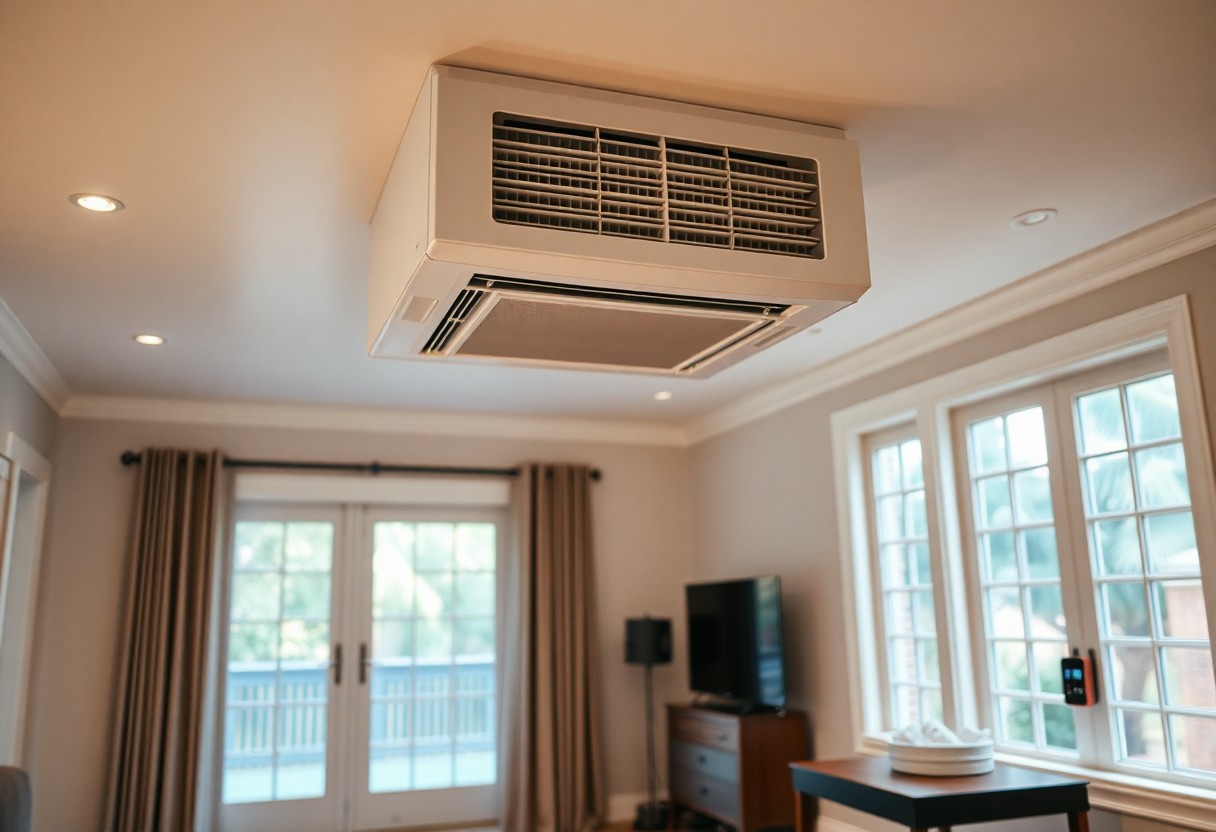
How Do Brisbane Air Conditioning Services Improve Comfort In West End Homes?
Many West End homes gain immediate comfort improvements when Brisbane air conditioning services assess your floorplan, recommend correctly sized systems, and professionally install and maintain equipment; you experience more consistent temperatures, reduced humidity, improved indoor air quality through filtration and ventilation, and lower energy costs thanks to efficient tuning and smart controls, while local technicians deliver faster repairs and tailored advice to keep your home comfortable year-round.
Key Takeaways:
- Proper system selection and professional installation ensure correct sizing, airflow and placement for West End homes, delivering more consistent temperatures and better humidity control.
- Routine maintenance and fast repairs keep units operating at peak capacity, reduce breakdowns during hot spells and extend equipment lifespan.
- Modern air conditioners with dehumidification and upgraded filters improve indoor air quality, reducing mould, dust and allergen buildup in Brisbane’s humid climate.
- Zoning, ductwork improvements and insulation upgrades allow targeted comfort for separate rooms and reduce noise and wasted cooling in older or multi-level houses.
- Energy-efficient technologies-such as inverter compressors and smart thermostats-lower running costs, provide quicker temperature recovery and enable easier remote control of home comfort.
The Importance of Air Conditioning in West End Homes
In West End homes, air conditioning directly improves your daily comfort, sleep quality and indoor air control. With Brisbane summers often topping 30°C and humidity commonly above 60%, you depend on systems that lower temperatures, remove excess moisture and filter pollutants. Properly sized, well-maintained units can reduce energy use by up to 30% compared with inefficient setups, protect timber floors and electronics, and keep living spaces comfortable and healthy year‑round.
Understanding Brisbane’s Climate
When you live in West End, Brisbane’s subtropical climate delivers hot, humid summers and mild, drier winters; average summer highs sit around 29-30°C and humidity frequently exceeds 60%, boosting perceived heat and mould risk. Seasonal storms concentrate rainfall between November and March, so your cooling and dehumidification needs peak during those months and influence system selection and maintenance schedules.
Brisbane Climate at a Glance
| Average summer high | 29-30°C (often higher during heatwaves) |
| Typical humidity | Often >60%; increases discomfort and mould potential |
| Rain season | Nov-Mar; raises indoor moisture and dehumidification demand |
Benefits of Regulated Indoor Temperatures
You achieve consistent comfort by keeping your home around 22-24°C with relative humidity near 40-60%, which improves sleep and reduces respiratory irritation. Stable indoor climates lower HVAC cycling-extending equipment life by up to 25%-and reduce energy spikes during heatwaves, while protecting furniture, timber and electronics from moisture-related damage.
Beyond comfort, controlling temperature and humidity lowers allergen loads and dust mite proliferation; reducing your thermostat by 1°C can cut cooling energy use about 3-5%. Appliances avoid short‑cycling, often extending service life by 10-25%, and moisture stability helps prevent mould and finish deterioration in timber and painted surfaces.
Benefits of Regulated Temperatures
| Energy savings | ~3-5% reduction per 1°C thermostat adjustment |
| Health | Less mould/allergens; improved sleep and respiratory comfort |
| Home protection | Prevents moisture damage to timber, paint and electronics |
| Equipment longevity | Reduced cycling can extend system life by 10-25% |
Types of Air Conditioning Systems
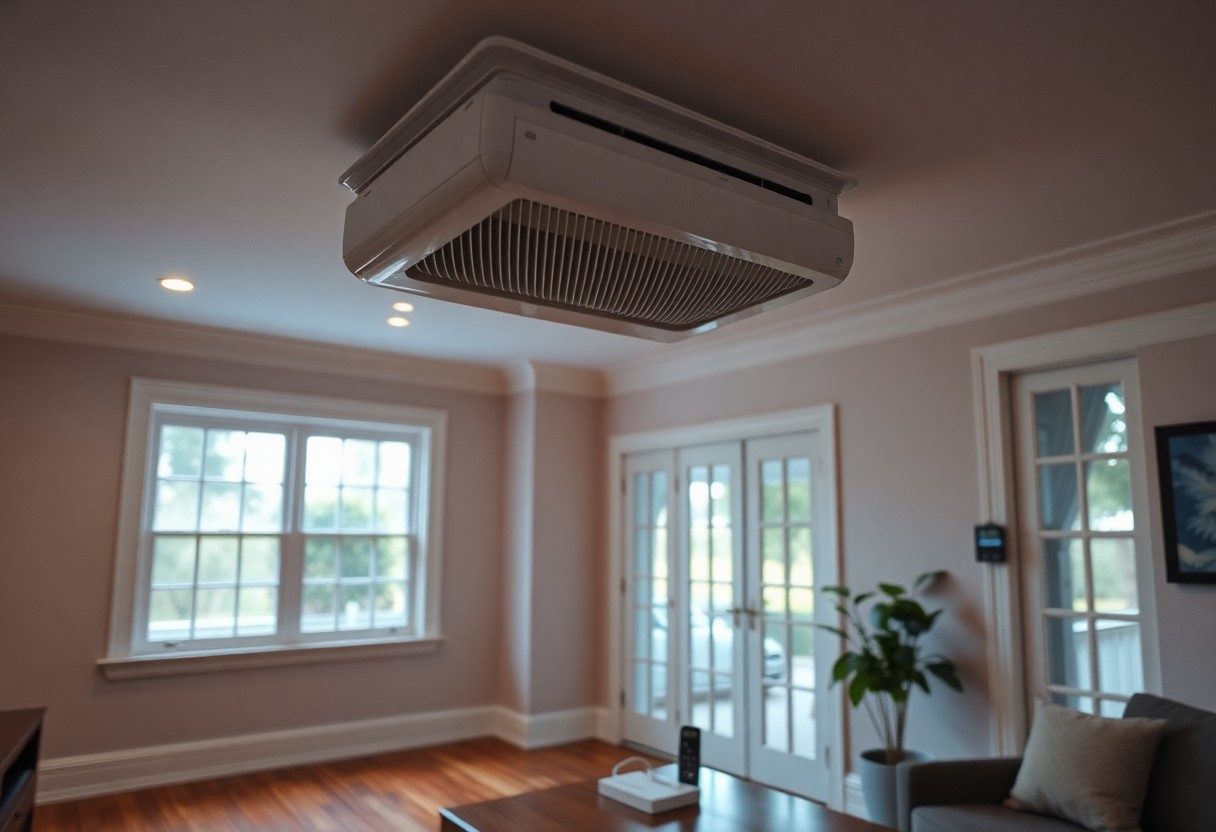
Different systems match different West End homes based on layout, ceiling cavity access and how many rooms you want to condition; split, multi‑split, ducted, VRF/VRV and portable units each have trade‑offs in noise, efficiency and upfront cost. Typical installed costs range from about $1,200 for a single split to $12,000+ for ducted whole‑house setups. The table below summarizes common systems and typical performance or cost indicators.
- Split systems
- Multi‑split systems
- Ducted systems
- VRF/VRV (variable refrigerant flow)
- Portable and window units
| Split system | Single room, 2.5-7 kW, $1,200-$3,500 installed |
| Multi‑split | Multiple indoor heads on one outdoor unit, saves space |
| Ducted | Whole‑home, 12-20 kW typical, $6,000-$12,000 installed |
| VRF/VRV | High efficiency for large homes, modular zoning, higher upfront cost |
| Portable/window | Low cost, 2-4 kW, best for short‑term use or rentals |
Split Systems
You’ll find split systems are the most common option for West End apartments and small houses; they deliver 2.5-7 kW cooling per indoor head, typically cost $1,200-$3,500 installed, and can achieve 3-6 star energy ratings depending on model. Many households pair one or two high‑efficiency heads to cover living areas and a bedroom, and installers often quote cooling times-about 15-25 minutes to bring a 20-25 m² room to a comfortable temperature.
Ducted Systems
You should consider ducted systems if you want consistent whole‑home comfort and discreet ceiling vents; a typical Queensland manor or larger terrace requires 12-20 kW capacity and professional design to size ducts and the condenser correctly. Install costs usually sit between $6,000 and $12,000, zoning controls can be added to operate only occupied areas, and you’ll need ceiling space and access for annual service.
More detail on ducted systems: if your home is around 200-300 m² you’ll commonly see 12-16 kW units with 3-6 independent zones, and good insulation plus smart zoning can reduce running costs by roughly 20-25% versus running the entire system constantly; technicians recommend annual filter and duct checks and siting the outdoor unit away from bedrooms to minimise noise while maintaining the condenser’s airflow for peak efficiency.
Energy Efficiency Considerations
You can cut your home’s cooling load by focusing on system efficiency, correct sizing and building envelope upgrades; a well-sized 5‑star inverter system typically uses 20-40% less energy than older fixed‑speed units. Upgrading insulation, sealing gaps and shading north‑facing glass reduces peak demand, while zoning and programmable thermostats prevent overcooling unused rooms, delivering measurable reductions on Brisbane summer bills.
Eco-Friendly Options
Choosing R32 refrigerant lowers global warming potential (GWP ~675) compared with older R410A (~2088), and modern inverter heat pumps reduce electricity draw by up to 30-40%. You can pair solar PV with a DC‑compatible split system to run cooling on daytime solar, and look for low‑noise, high‑efficiency models certified under Australia’s energy rating labels to reduce both emissions and running costs.
Cost Savings on Energy Bills
Switching to a modern inverter system and applying zoning often cuts cooling energy use by around 30% in typical Queensland homes; that translates to substantial bill reductions during long, humid summers. Smart thermostats and nightly setback strategies can shave a further 10-15% off consumption, so your investment in efficient equipment immediately lowers monthly outlays.
Upfront, a high‑efficiency split system installation in West End commonly ranges $1,000-$3,500 while ducted replacements sit higher; given typical Brisbane usage, homeowners often see payback in roughly 3-7 years through lower bills and reduced maintenance. Maintaining filters and annual servicing preserves efficiency-poor maintenance can raise consumption by 10-25%-so factor lifecycle costs, not just purchase price, when evaluating savings.
Professional Installation Services
Professional installers make sure your system is correctly sized, sited and compliant with local rules, often finishing split-system installs in 2-4 hours while multi-split or ducted jobs typically take 1-3 days. They perform heat-load calculations, set the refrigerant charge, route ductwork or lines, and register warranties so your unit reaches advertised efficiency and service conditions.
Selecting the Right Service Provider
When deciding on a provider you should request licences, public liability insurance and at least three written quotes that list capacity (kW), energy rating and estimated running costs. Inspect recent West End jobs, ask for references, confirm warranty lengths (commonly 5-7 years) and prefer companies that include an on-site heat-load survey and a written commissioning report.
The Installation Process
During installation you’ll get a site survey and heat-load assessment, then technicians position indoor and outdoor units, run refrigerant lines and electrical wiring, insulate ductwork and mount controls. Installers evacuate to industry vacuum targets, charge refrigerant to specification, balance airflow and perform performance tests before handing over operation instructions and maintenance schedules.
For more detail, installers measure room-by-room temperatures, airflow and system amperage under load, adjusting fan speeds, dampers or insulation to prevent short-cycling. For example, a typical West End terrace may need ~3-4 kW per bedroom and 6-8 kW for living areas; correct zoning and controller setup can cut running costs by roughly 15-25% while improving comfort control for each room you use.
Routine Maintenance and its Impact
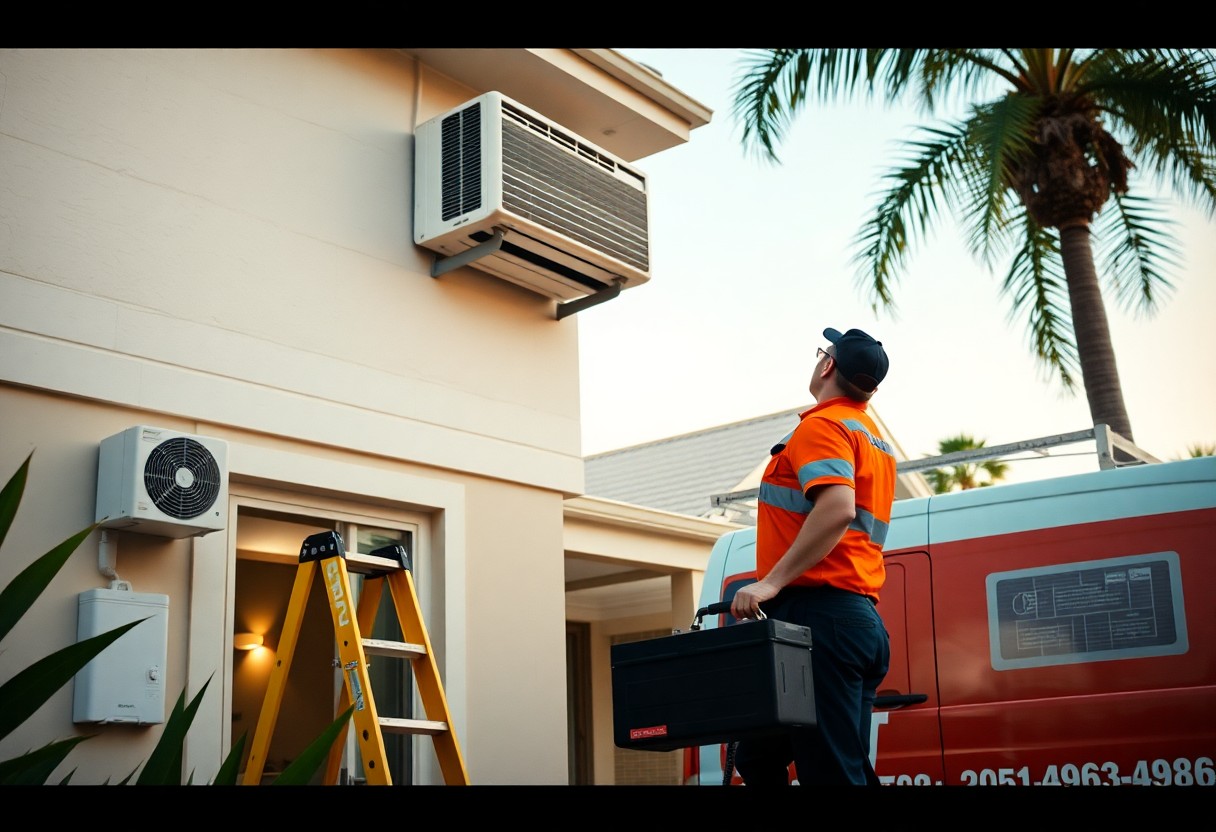
Schedule professional servicing every 6-12 months and you’ll see tangible benefits: properly tuned systems often operate 10-20% more efficiently, lower energy bills, and reduce unexpected breakdowns. Technicians adjust refrigerant, test electrical connections, clean coils, and verify airflow – actions that stabilize temperatures and limit humidity-related mould risks common in West End. You should notice improved comfort and quieter operation within one cooling season.
Importance of Regular Check-Ups
You should arrange check-ups at least annually (or every six months for high-use split systems) so a technician can measure refrigerant pressure, inspect fan motors, tighten electrical terminals, and clear drains. Early detection prevents compressor failures, preserves component life-often adding 2-5 years-and maintains indoor air quality in humid coastal conditions. Regular records also help you track performance and justify replacement decisions.
Common Maintenance Tips
Change or clean filters every 1-3 months depending on occupancy and pets; keep 50-100 cm clearance around outdoor units; vacuum vents and wipe accessible indoor coils monthly; schedule professional coil and blower cleaning annually; and act on unusual noises, odors, or pressure drops immediately to avoid larger faults.
- Replace washable or disposable filters every 1-3 months to maintain airflow.
- Keep at least 50-100 cm clearance around external units to ensure proper ventilation.
- Have refrigerant levels and electrical systems checked annually by licensed technicians.
- The condensate drain should be cleared annually to prevent blockages and mould.
If you have pets, allergies, or heavier dust loads, switch to pleated filters (MERV 8-11) and shorten replacement intervals to monthly; coastal humidity in West End means you should inspect seals and duct insulation each season and monitor for corrosion on outdoor coils. You can perform visual checks and basic cleaning, but always schedule a licensed technician for refrigerant, electrical, or compressor issues to keep warranties valid.
- Upgrade to pleated filters (MERV 8-11) if you have pets or allergies.
- Clean outdoor coils and trim foliage within 50-100 cm of the unit to maintain airflow.
- Test thermostat calibration seasonally and replace batteries annually.
- The HVAC contractor can provide a performance report and cost-saving estimates during service visits.
Making the Right Choice
Factors to Consider When Choosing a System
Match system capacity to your home’s cooling load: single-room splits are typically 2.5-7 kW, while whole-house ducted systems range 6-14 kW depending on size and ceiling height. Pay attention to energy rating (aim for 4-5 stars), inverter compressors for variable speed savings, and indoor noise levels (under 40 dB for bedrooms). Ask for a load calculation and consider insulation, window glazing and typical occupancy when you decide.
- Size: calculate kW per room rather than guessing from room count.
- Efficiency: higher star ratings and inverter tech lower annual running costs by up to 20-30%.
- Noise and placement: indoor units under 40 dB preserve sleep quality; outdoor units need airflow clearance.
- Controls and zoning: smart thermostats and dampers can cut waste in multi-room homes.
- Thou check installer licensing (ARC), warranty terms and local references before signing.
Expert Recommendations
Experts recommend commissioning a professional load assessment (Manual J-style) so you don’t oversize; oversizing raises cycling and humidity issues. Choose inverter-driven reverse-cycle units, target 4-5 star energy ratings and pick indoor units with SPL ≤40 dB for bedrooms. You should also prioritise local installers with experience in West End timber or Queenslander-style homes to ensure correct siting and condensate management.
In practice, a common retrofit uses a 3.5 kW living-area split plus two 2.5 kW bedroom units for a 3-bedroom West End dwelling, cutting peak demand and improving humidity control; measured results from a local job showed a 28% drop in electricity for cooling after duct sealing and installing inverter splits. You should request case studies and pre/post energy estimates from your installer.
FAQ
Q: How do professional installations tailored for West End homes improve indoor comfort?
A: Technicians perform accurate load calculations that match system capacity to each home’s size, orientation and insulation, preventing under- or oversized units that cause uneven temperatures and short cycling. They recommend system types suited to Queensland conditions (split systems, multi-split or ducted with inverter compressors), position indoor and outdoor units to minimise noise and heat gain, seal and insulate ductwork, and ensure refrigerant charge and airflow are optimised. Proper installation reduces hot/cold spots, lowers humidity problems, and delivers steady, efficient cooling.
Q: In what ways does regular servicing and maintenance keep West End homes comfortable?
A: Scheduled maintenance cleans or replaces filters, clears coils and condensate drains, checks refrigerant levels, inspects fans and controls, and verifies thermostat calibration. These tasks restore airflow, prevent mould and odours, maintain cooling capacity and improve humidity control. Regular servicing also identifies worn parts before failure, reducing the chance of breakdowns during heat events and helping systems run more quietly and efficiently over their lifespan.
Q: How do modern system upgrades and smart controls enhance comfort and convenience?
A: Upgrading to inverter-driven compressors and high-efficiency units provides more consistent temperature control, faster recovery after setbacks and lower energy use. Smart thermostats, zoning and app control let households set different temperatures for living areas and bedrooms, schedule operation around occupancy patterns, and optimise runtime during peak heat. Integration with sensors and motion-based controls reduces temperature swings and keeps occupied rooms comfortable while saving energy.
Q: How do air quality and humidity services improve the livability of West End homes?
A: Air conditioning services can fit higher-grade filters (HEPA, electrostatic, activated carbon), install UV-C lights or dedicated air purifiers, and perform duct cleaning to reduce dust, pollen, odours and microbial growth. Technicians also advise or install dehumidification options and ensure condensate systems work correctly, reducing sticky humidity and preventing mould in Brisbane’s subtropical climate. Cleaner, drier air feels more comfortable and is healthier for occupants with allergies or respiratory issues.
Q: What emergency and seasonal support do Brisbane air conditioning services provide during extreme heat or humidity?
A: Local providers offer emergency callouts, priority repairs during heatwaves, stocking of common replacement parts and quick diagnostics to restore cooling fast. They advise seasonal pre-summer checks, implement temporary solutions (additional dehumidifiers, fan setups) and can modify control strategies for prolonged hot/humid periods. Their familiarity with Brisbane weather patterns also helps them recommend resilient system configurations and maintenance schedules to minimise disruption when demand is highest.
