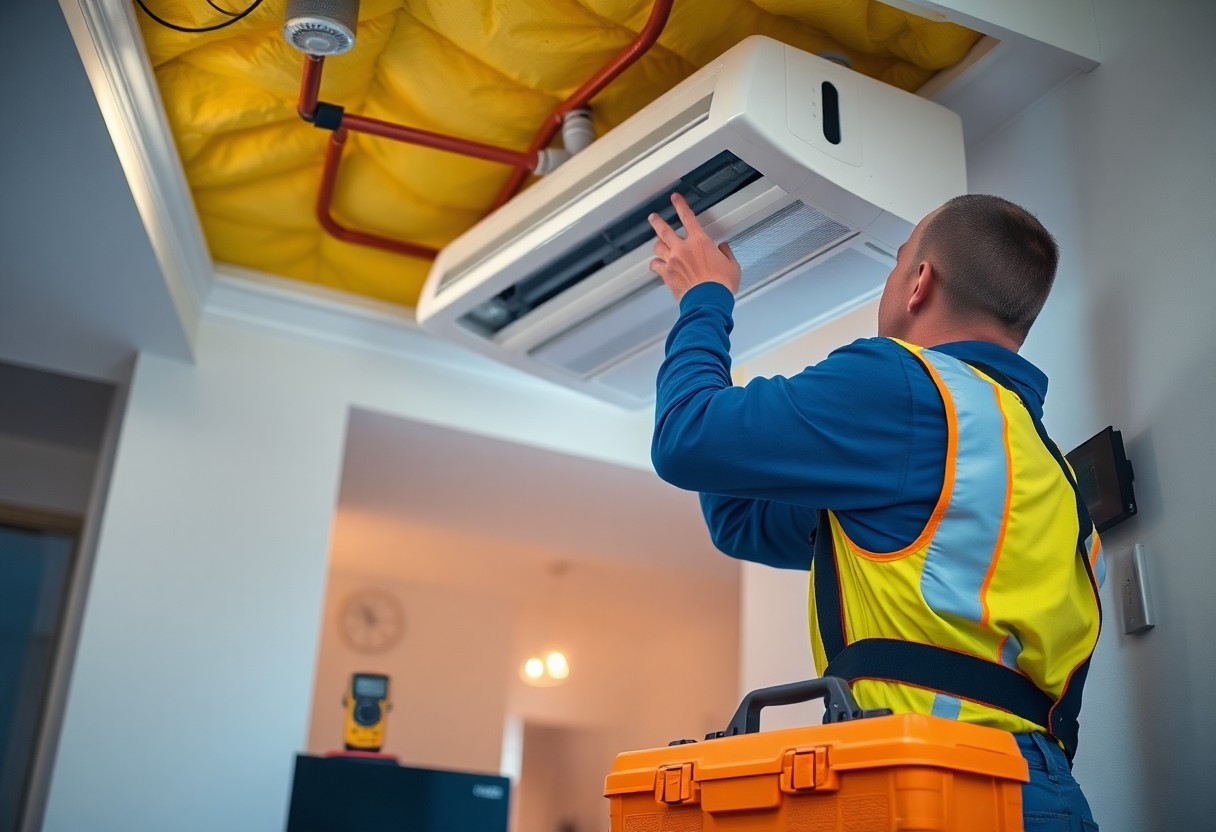
Why Are Brisbane Air Conditioning Services So Popular In South Brisbane?
You choose Brisbane air conditioning services in South Brisbane because they combine deep local knowledge of subtropical weather with rapid response times, energy-saving system options, and compliant installations that protect your comfort and pocket. Technicians provide tailored maintenance plans, smart-home integration, and transparent pricing, so your cooling needs are met efficiently and reliably year-round.
Key Takeaways:
- Hot, humid subtropical climate drives consistent demand for reliable cooling throughout the year.
- Strong local workforce of experienced technicians delivers fast installation, repairs and emergency service.
- Adoption of energy-efficient inverter systems lowers running costs and appeals to homeowners and businesses.
- Affordable maintenance plans and competitive repair pricing extend equipment life and reduce long-term expenses.
- High residential and commercial density in South Brisbane creates convenient access to providers and bundled service options.
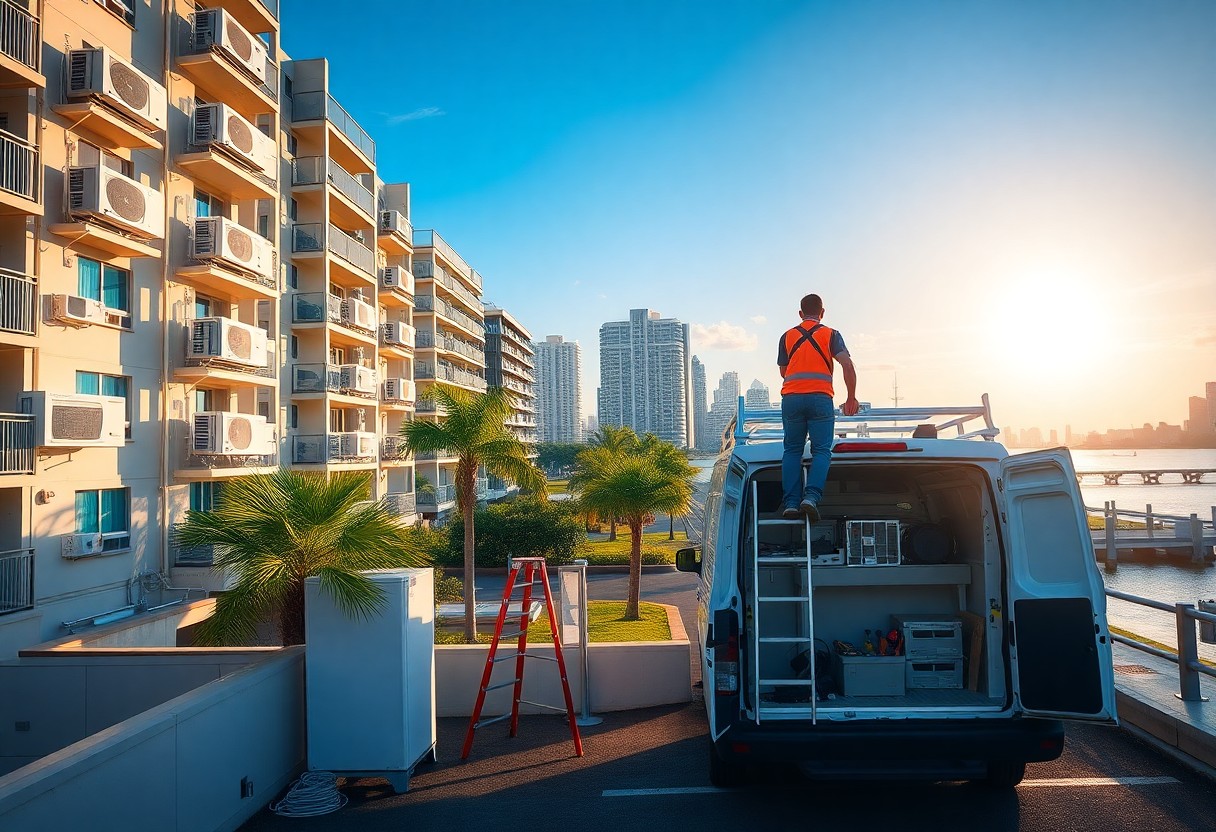
The Climate of South Brisbane
Understanding Seasonal Changes
Summers in South Brisbane frequently push above 30°C with humidity often between 60-80% from November to March, and heavy summer storms are common; you’ll notice rainfall totals hover around 1,000-1,200 mm annually. Winters are mild, with overnight lows typically 10-12°C and daytime highs around 20-22°C, though cold fronts can briefly lower temperatures. Those seasonal swings mean you deal with both heat-and-humidity management and occasional cooling needs within a single year.
Impact on Indoor Comfort
High summer humidity makes interiors feel warmer, so you’ll rely on air conditioning not just to lower temperature but to control moisture; reducing indoor humidity to 40-50% improves perceived comfort and limits mold growth. Energy use often spikes in hotter months-household electricity for cooling can rise by 20-30%-so efficient systems and zoning directly affect your bills and how comfortable your rooms feel.
When you target a setpoint of around 22-24°C and maintain 40-60% relative humidity, occupants report better sleep and productivity; for example, offices in South Brisbane that installed inverter split systems saw cooling energy drop by up to 25% and faster recovery after doors open. You should also factor in ventilation: balanced mechanical ventilation with heat-recovery can cut cooling loads while preventing stale air, and routine servicing improves system efficiency by roughly 10-15%, keeping your indoor environment stable across seasons.
Benefits of Air Conditioning
You get consistent temperature control, humidity management and reduced mould risk, which keeps your home comfortable and protects furniture and electronics. In South Brisbane’s humid summers, properly sized systems lower interior humidity to 40-60%, improving sleep and productivity. Well-maintained units also extend appliance life and, when combined with zoning, can cut unnecessary running hours so you only cool occupied spaces.
Improved Air Quality
Your air conditioner filters out dust, pollen and some PM2.5 when fitted with high-efficiency filters or optional HEPA/electrostatic modules; HEPA-level media removes >99% of particles ≥0.3 µm. Dehumidification also inhibits mould and dust-mite growth, so allergy symptoms often fall after installation. You should schedule filter checks every 1-3 months and annual coil cleaning to maintain that particulate and microbial control.
Energy Efficiency and Cost Savings
You can lower running costs by choosing inverter technology and matching system capacity to your space; inverter units commonly reduce energy use by around 20-35% versus older fixed-speed models. Look at SEER/COP ratings and star labels-higher numbers translate to measurable savings. Many households see payback in 3-6 years depending on usage, climate and electricity tariffs.
Optimising controls and maintenance further multiplies savings: zoning with timed schedules, a smart thermostat, and setpoints around 24-26°C in summer reduce runtime. Also, correct installation (right refrigerant charge and duct sealing) preserves rated efficiency; poor commissioning can cut performance by 10-20%. Regular servicing and prompt filter replacement typically restore 5-15% of lost efficiency, so your bills stay lower long-term.
Popular Types of Air Conditioning Systems
Across South Brisbane you’ll see a handful of system types that dominate installations because they match local home sizes and humidity loads; split systems commonly serve single rooms with 2.5-7 kW capacities, ducted systems cool whole houses with 10-25 kW units, VRF/multi-split setups handle mixed commercial/residential zones, and portable or window units are occasional short-term fixes – all chosen to balance running costs, installation complexity and the area you need cooled.
| Split Systems | 2.5-7 kW, ideal for single rooms, inverter tech, economical install ($800-$3,000) |
| Ducted Systems | 10-25 kW, whole‑home cooling, zoned control, higher install ($6,000-$15,000) |
| Multi‑split / VRF | Scalable 5-50+ kW, precision control for multiple rooms, used in larger homes and businesses |
| Window / Wall Units | Compact 1-4 kW, low upfront cost, suitable for single-room rentals or temporary needs |
| Portable Units | Flexible placement, 2-4 kW cooling, lower efficiency, useful when permanent install isn’t possible |
- Choose a split system if you mainly need to cool one living area or bedroom; installers in South Brisbane routinely size units by room dimensions and sunlight exposure.
- Pick ducted systems when you want whole‑house comfort and discrete ceiling outlets; zoning can save up to 30% on running costs versus constant whole‑home operation.
- Consider VRF or multi‑split for apartment blocks or renovations where several indoor units feed from a single outdoor condenser.
- Use window or portable units as stopgaps during repairs or when budget limits permanent installs, but expect higher kWh per cooling hour.
- Knowing how often you use each space and your tolerance for upfront versus running costs will make selecting the right system far easier.
Split Systems
You’ll find split systems are the most common residential install in South Brisbane because they deliver 2.5-7 kW of cooling per indoor unit, work with inverter compressors for rapid temperature recovery, and typically carry energy ratings from 3 up to 5.5 stars; technicians often recommend a 3.5-5 kW unit for open‑plan living rooms of ~40-60 m² to balance comfort and electricity use.
Ducted Systems
You often choose ducted systems when you want invisible outlets and whole‑home temperature consistency, with typical systems rated 10-25 kW and designed to serve houses from ~100 m² to 350 m²; costs vary with ceiling access, number of zones and insulation, and installers commonly factor in duct sealing to maintain efficiency.
For more detail, your ducted system’s performance hinges on proper load calculation and ductwork design: a 200 m² single‑level home usually needs 12-16 kW depending on insulation and glazing, zoning lets you condition only occupied rooms (cutting running hours by 20-40%), and scheduled servicing-filter changes, fan checks and refrigerant tests-keeps airflow and efficiency optimal over a 10-15 year service life.
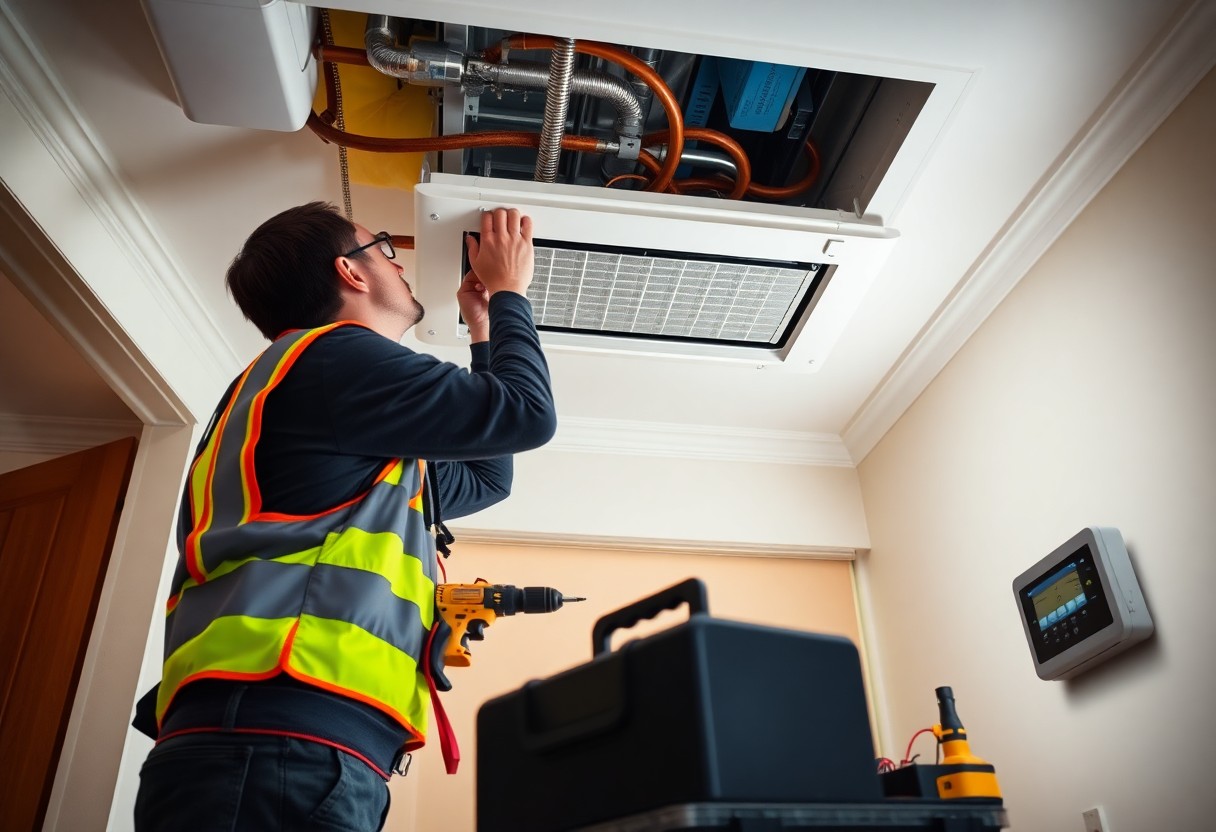
The Role of Professional Installation
If you want your system to deliver the temperature control and humidity management discussed earlier, professional installers handle precise placement, refrigerant charging and electrical connections that impact efficiency and warranty compliance; a standard split‑system install usually takes 3-6 hours while ducted systems often require 1-2 days, and proper commissioning reduces callbacks and premature failures.
Expertise and Experience
You benefit from installers who perform accurate load calculations, select the right capacity (for example, 6-9 kW for many 3‑bedroom homes), and apply field experience to avoid common errors like undersizing, improper condensate drainage or poor indoor unit siting that create hot spots and excess runtime.
Ensuring Optimal Performance
You gain measurable gains when technicians commission systems: they verify refrigerant charge with scales, measure airflow with anemometers, and test electrical draw against manufacturer specs, ensuring the unit runs within intended parameters and maintains seasonal efficiency.
For example, an installer diagnosing an undercharged system will recover and weigh refrigerant to the manufacturer’s gram specification, rebalance airflow across vents and recalibrate the thermostat; fixing these issues typically stabilises room temperatures within about 0.5-1°C and shortens average run times, lowering energy use and extending component life.
Maintenance and Repair Services
You rely on timely maintenance to keep systems running through South Brisbane’s humid summers; many technicians recommend professional servicing every 6-12 months, filter changes every 3 months, coil cleanings and refrigerant checks. Emergency repairs spike during heatwaves and many providers offer same‑day callouts within 24 hours, helping you avoid long discomfort and higher running costs while extending equipment life.
Importance of Regular Check-Ups
If you schedule regular check‑ups you’ll catch issues early, lower energy use by up to 15% through clean filters and calibrated thermostats, and avoid high‑season breakdowns. Technicians test blower motors, inspect ductwork, log refrigerant pressures and perform safety checks, giving you documented maintenance history to support warranty claims and informed replacement decisions.
Common Issues Faced
You will most often encounter dirty filters, blocked condensate drains, refrigerant leaks, thermostat faults and restricted airflow; compressors and capacitors fail more frequently in units older than 8-10 years. High humidity accelerates coil corrosion and biofilm buildup, causing reduced cooling capacity, short‑cycling and higher electricity bills during months above 30°C.
For example, a three‑bedroom South Brisbane home with repeated shutdowns had a clogged drain and corroded condensate pump; clearing biofilm and replacing the pump (~$250) restored operation. Refrigerant leak repairs usually need a licensed technician and can range roughly $200-$800 depending on gas type and labour, while compressor replacement often pushes the cost toward the higher end, influencing repair versus replacement choices you’ll make.
Choosing the Right Air Conditioning Service
You should focus on providers who combine manufacturer authorisation, local experience and transparent pricing; look for teams that offer free on-site quotes, published service rates, and fixed-price maintenance plans with 12-24 month guarantees to avoid surprise fees during South Brisbane’s peak season.
Key Factors to Consider
Verify technician qualifications (ARCtick, refrigeration licences), ask for examples of similar installations in South Brisbane, confirm written warranties of 2-7 years, and compare quoted energy savings using star ratings or SEER figures. The checklist above helps you compare quotes and shortlist providers.
- Licensing and accredited certifications (ARCtick, refrigerant handling)
- Warranty length, manufacturer authorisation and service inclusions
- Local experience with humid subtropical climates and system sizing
- Typical response time (24-48 hrs for non-emergencies; 4-8 hrs for urgent calls)
Customer Reviews and Recommendations
You should prioritise providers with consistent 4+ star ratings across Google and ProductReview, at least 20 local reviews mentioning reliability, and examples of completed jobs with before/after photos or energy-saving figures to validate claims.
Reach out to neighbours or local Facebook groups for firsthand referrals, ask the company for two recent local references you can call, and look for repeated praise about punctuality, clean installations and measurable savings-many homeowners report 10-20% lower power use after swapping to higher-star systems.
To wrap up
Conclusively, you find Brisbane air conditioning services popular in South Brisbane because they deliver reliable, energy-efficient systems, rapid local repairs and installations, and tailored maintenance that fits your home and budget; experienced technicians who know local climate, compliance, and best practices give you confidence, while strong warranties, competitive pricing and positive reviews make choosing these providers a smart way to protect your comfort and property value.
FAQ
Q: Why are Brisbane air conditioning services especially popular in South Brisbane?
A: South Brisbane’s subtropical climate brings hot, humid summers and mild winters, so air conditioning is a year-round comfort and health solution. Dense residential and commercial development means many homes, apartments and businesses need reliable cooling, dehumidification and ventilation. Frequent demand drives a large local market for installation, repair and maintenance, making services highly visible and widely used.
Q: What types of systems and services make local providers so in demand?
A: Providers offer a broad range: split systems, ducted reverse-cycle systems, multi-splits for apartments, and high-efficiency inverter units that lower energy use. Services include professional load assessments, custom installation, regular servicing, coil and filter cleaning, refrigerant top-ups, smart thermostat integration and emergency repairs. Warranty-backed installations and bundled maintenance plans increase consumer confidence and ongoing demand.
Q: Do energy efficiency and operating costs affect popularity?
A: Yes. Modern high-star-rated systems and inverter technology significantly reduce running costs compared with older models, which appeals to households and businesses facing high cooling loads. Many installers can advise on system sizing and energy-efficient choices, and offer finance options or point to local rebates, helping clients balance upfront cost with long-term savings.
Q: How do local technicians and companies add value in South Brisbane?
A: Local technicians know Brisbane’s climate-driven performance needs, building types and common installation challenges in inner-city and riverside properties. Licensed, insured tradespeople provide compliant installations, fast response for repairs, and tailored maintenance packages. Established firms often provide reliable warranties, emergency callouts and ongoing service networks that urban customers prefer.
Q: What should residents or businesses consider when choosing an air conditioning service in South Brisbane?
A: Check that the installer holds relevant licences and insurance, request detailed quotes with system specifications and energy ratings, and verify references or online reviews. Ensure the quote covers correct sizing, installation standards, required permits and warranty terms. Compare maintenance plan options, after-sales service response times and any recommended refrigerant types (such as low-global-warming-potential options) to match performance, budget and environmental priorities.
