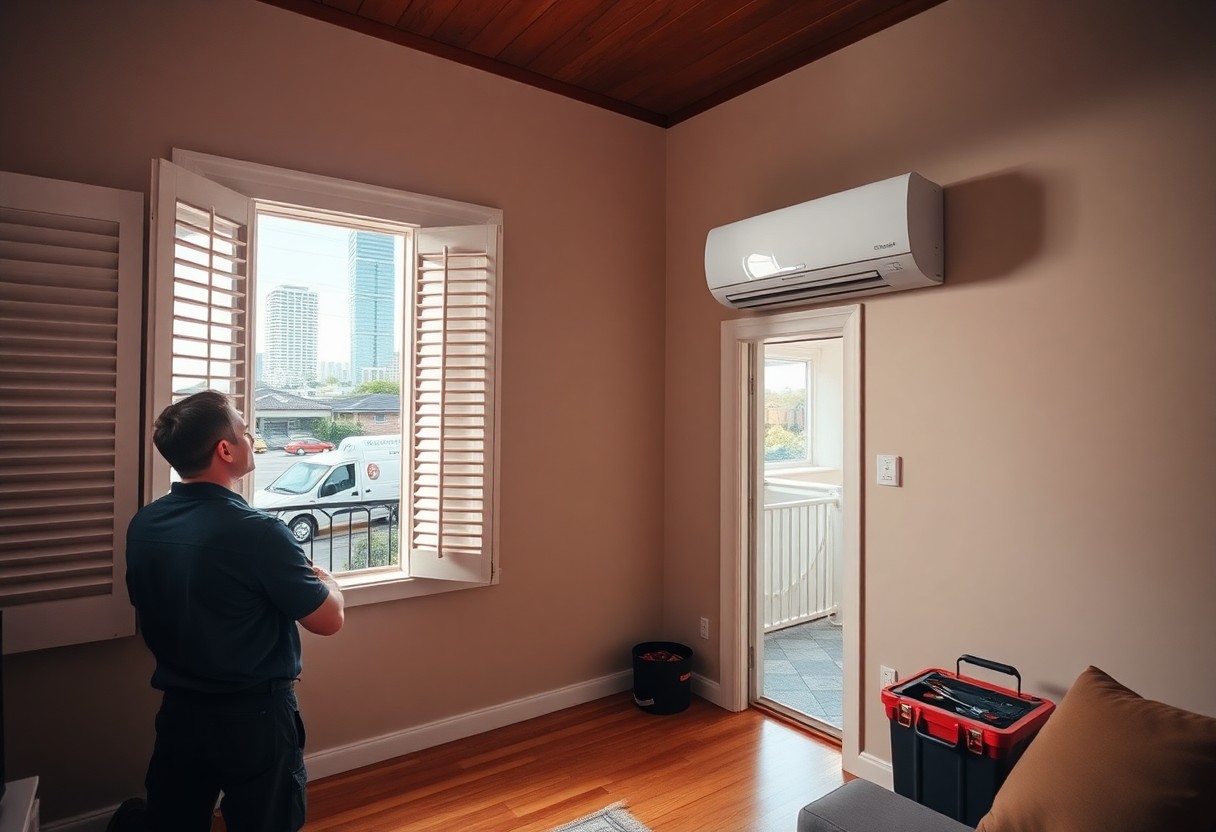
How Do Brisbane Air Conditioning Services Improve Comfort In West End Properties?
Just by assessing your West End property’s layout and usage patterns, Brisbane air conditioning services optimize system sizing, airflow, humidity control and filtration so you experience consistent temperatures, lower energy bills and improved indoor air quality; licensed technicians provide tailored installations, timely maintenance and efficient upgrades to keep your home or business comfortable year-round.
Key Takeaways:
- Local expertise matches system choice and installation to West End homes and climate, ensuring reliable cooling and humidity control.
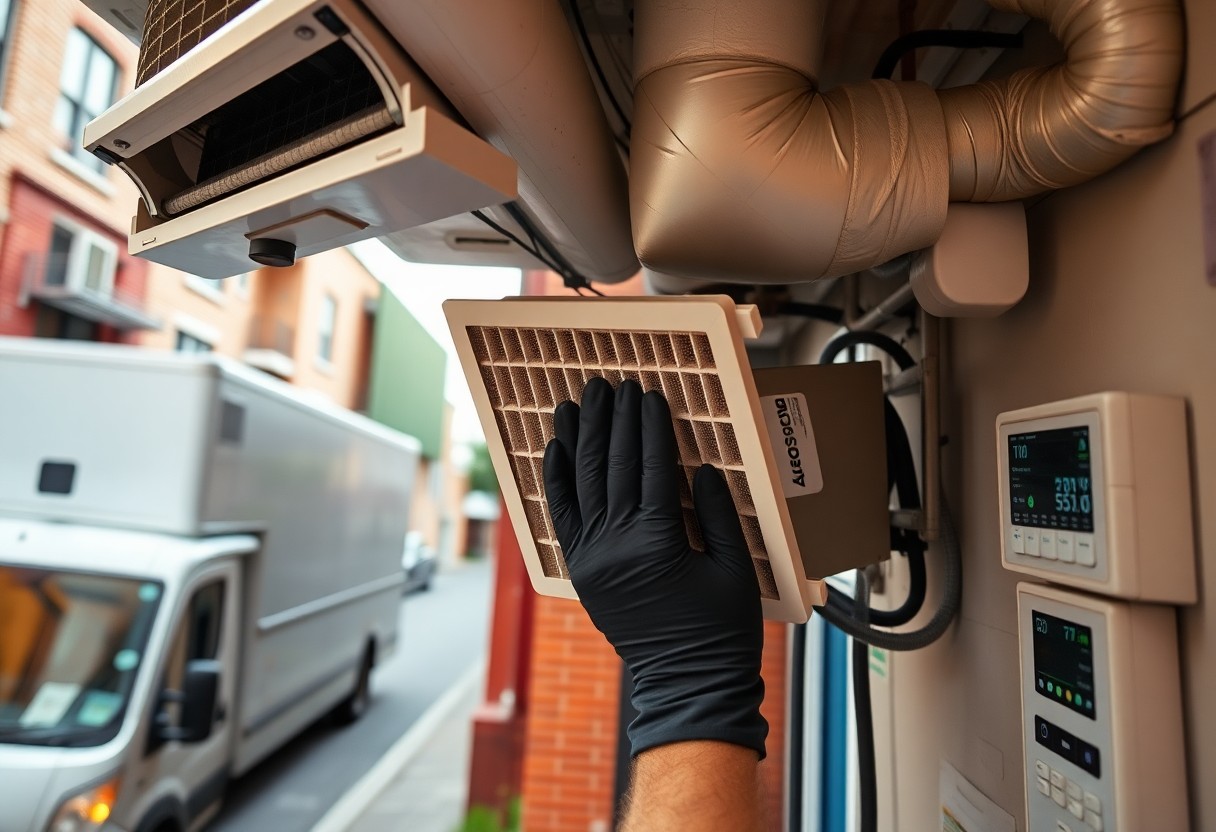
- Regular servicing and filter cleaning improve indoor air quality and system efficiency, reducing allergy triggers and mould risk.
- Prompt repairs and preventative maintenance minimize system downtime during hot spells.
- Energy-efficient upgrades and correctly sized units lower power bills while maintaining consistent temperatures.
- Smart zoning and programmable controls deliver personalised comfort and reduce wasted cooling in multi-room or older buildings.
The Importance of Air Conditioning in West End Properties
Local Climate Considerations
With West End’s subtropical climate-average summer highs around 29-30°C and frequent humidity above 60-70%-you need systems that cool and dehumidify efficiently. Sea breezes moderate evenings but daytime heat spikes and occasional 35-40°C heatwaves demand correctly sized units; a practical rule of thumb is 100-150 W per m² when calculating capacity. You should also factor in glazing, insulation and internal gains from appliances to avoid undersized systems that struggle on peak days.
Health Benefits of a Comfortable Indoor Environment
Controlling your indoor temperature and humidity directly reduces mold and dust-mite growth-mould risk rises above ~60% relative humidity and dust mites proliferate as RH passes 50%-so maintaining 40-60% RH and 22-26°C improves air quality. High-efficiency filtration can cut indoor PM2.5 and pollen substantially, helping allergy and asthma sufferers; you’ll also reduce heat stress for elderly or chronically ill household members during prolonged hot spells.
Service routines matter for those health gains: change basic filters every 2-3 months in high-use homes, and schedule professional servicing annually to clean coils and drains per AS/NZS guidance to limit microbial build-up. You’ll see measurable benefits-lower airborne allergens, fewer mould complaints and reduced visits for heat-related symptoms-especially in tightly sealed West End terraces where ventilation is limited and recirculation dominates indoor air quality.
Types of Air Conditioning Systems Available
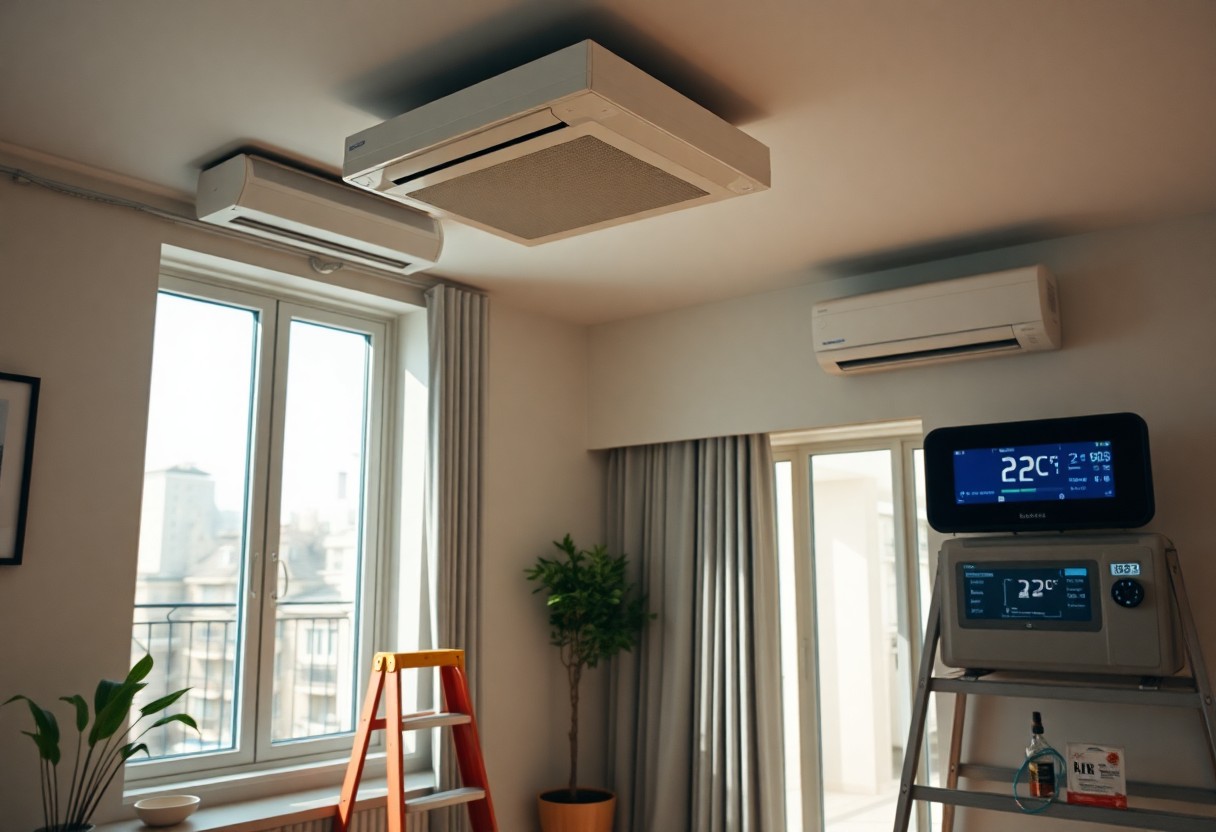
| Ducted Central Air | Whole‑house cooling, typical capacity 10-20 kW for 150-300 m² homes; zoned dampers and single outdoor unit. |
| Single Split Systems | Room‑by‑room units 2.5-9 kW; fast install (2-4 hours), common for bedrooms and living rooms. |
| Multi‑Split / Multi‑Head | One outdoor unit feeding multiple indoor heads; good for flats where ductwork isn’t possible. |
| Evaporative Cooling | Low energy in dry conditions, covers large spaces but less effective in Brisbane’s humidity; cheaper install. |
| Portable / Window Units | Low upfront cost for temporary use; suitable for single rooms but higher running cost per kW. |
- Consider capacity: a 6-7 kW split commonly cools an open‑plan living area of ~60-80 m².
- Factor energy ratings (e.g., star ratings, EER/SEER) when comparing running costs.
- Account for installation constraints: heritage West End homes often prefer ductless options to avoid invasive work.
- Assume that matching kW to room size and sun exposure cuts runtime and energy bills significantly.
Central Air Conditioning
If you want whole‑home comfort, central ducted systems deliver even temperatures across multiple rooms; typical installations for West End homes range 10-20 kW serving 150-300 m², with zoning to control dampers and reduce run hours. Installation usually takes 2-5 days depending on access and may cost $6,000-$15,000; modern inverter compressors reach higher COPs, so your long‑term running costs fall compared with older non‑inverter systems.
Split Systems and Ductless Options
For targeted cooling you’ll use split systems (2.5-9 kW) or multi‑head setups that install quickly and fit where ducts can’t; a single 2.5 kW head suits a bedroom while a 6-7 kW head suits an open living area. Energy‑efficient inverter splits can cut consumption by around 20-30% versus fixed‑speed models, and typical unit costs run $800-$3,500 depending on capacity and brand.
In practice, you’ll often pair a 6.5 kW unit in the living area with 2.5-3.5 kW heads in bedrooms for balanced comfort and lower bills; inverter multi‑split systems let you heat or cool rooms independently, reduce outdoor unit footprint, and limit duct work in timber or terrace homes. Maintenance is simple-clean filters every 1-3 months and schedule annual servicing to preserve efficiency and warranties.
Installation Process and Considerations
When planning installation, you should start with a room-by-room load calculation and site survey that considers insulation, glazing, roof orientation and shading. Installers assess electrical supply (single-phase 10-32 A circuits common in homes), ceiling cavity space for ducts, and outdoor unit siting to meet noise limits and airflow clearance. Long refrigerant runs or multiple bends can reduce efficiency, so technicians plan pipework and drainage early. Permits and licensed refrigerant handling under Australian rules ensure safety and warranty compliance.
Choosing the Right System for Your Property
When choosing between split, multi-split and ducted systems you should match capacity to living area: small rooms often need 2.5-4 kW units, open-plan spaces 6-12 kW, while whole-house ducted systems commonly run 6-16 kW. Consider energy-rating stars and inverter technology, plus indoor noise (25-40 dB typical). You should also weigh installation constraints – ceiling space, balcony access and roofline – and lifecycle costs; a higher-efficiency unit can cut running costs by 10-30% over its life.
Professional Installation Benefits
Professional installation ensures correct refrigerant charge, airflow balancing and electrical connections so your system meets rated performance and warranty conditions. Certified technicians use digital gauges, refrigerant scales and airflow meters to commission the system, preventing short cycling, icing or poor humidity control. You receive documented test results, compliance certificates and safer handling of refrigerants and electrical work, which reduces the risk of faults and unexpected repair bills.
During commissioning the installer fine-tunes thermostat placement, damper settings and duct insulation, often identifying simple fixes you would otherwise miss – undersized ducts, blocked grille locations or loose access panels – that can improve efficiency by up to 20%. They size condensate traps, fit vibration mounts to reduce noise transmission and provide as‑built records for council or strata; these steps lower callbacks and help keep your typical 5-7 year warranty valid.
Maintenance and Repair Services
Importance of Regular Maintenance
You should schedule a professional service at least once a year and check or replace filters every 3 months to keep systems efficient. Annual tune-ups spot refrigerant leaks, loose electrical connections and worn components before they fail. In West End properties, regular maintenance can reduce energy use by up to 15% and prolong system life, lowering the risk of expensive breakdowns during Brisbane’s hottest months.
Common Issues and Solutions
Dirty filters, blocked condensate drains, thermostat faults and refrigerant leaks are the problems you’ll encounter most often. Cleaning or replacing filters takes 10-20 minutes and restores airflow; clearing a condensate line typically stops indoor leaks within 24-48 hours; recalibrating or replacing a thermostat stabilises temperatures; licensed technicians trace and repair leaks, then recharge refrigerant to manufacturer specifications.
If you notice reduced airflow, temperature swings or a sudden rise in your power bill, arrange diagnostics within 48 hours. Technicians usually perform pressure testing, electronic leak detection, coil cleaning and electrical checks; simple fixes like replacing capacitors or fan motors are often completed under an hour, while refrigerant repairs may need additional recovery and follow-up. After sealing leaks and balancing airflow, households frequently see 20-40% improvements in cooling performance and measurable bill reductions.
Energy Efficiency and Cost Savings
Understanding Energy Ratings
Star ratings on Australian labels go up to seven stars and let you compare seasonal efficiency at a glance, so you can pick units that match your usage. Moving from a 2-3 star model to a 5-6 star unit commonly reduces running costs by roughly 20-40% depending on home size and hours of use. Check the SEER (or ANZ seasonal rating) and the labelled annual energy consumption to estimate your likely bills.
Long-term Benefits of Upgraded Systems
Upgrading to inverter-driven or high-efficiency systems lowers your electricity spend and often extends service life to 10-15 years, while reducing wear on components. You’ll get quieter operation, more consistent temperatures and fewer compressor failures; many units now include 5-10 year compressor warranties. For owners and landlords, the combination of lower operating costs and improved tenant comfort can increase property appeal and resale value.
In practical terms, expect annual energy savings of roughly $300-$700 for a typical West End residence after upgrading, with payback commonly in 3-6 years depending on usage and electricity rates. Pairing the new system with proper commissioning, annual servicing and regular filter changes preserves efficiency and accelerates your return on investment, while smart thermostats can further reduce runtime and costs.
Client Testimonials and Case Studies
You’ll find clear patterns in local feedback: faster cooling, lower bills, and fewer maintenance calls. Tenants and owners in West End consistently cite measurable improvements-energy reductions of 20-35%, quieter operation, and quicker installations-backed by before-and-after meter readings and repair logs that validate those claims.
- Case 1 – 3-bed terrace: inverter split installed in 4 hours; $2,400 cost; energy use down 28%; average indoor temp dropped from 28°C to 22°C; homeowner comfort rating 9/10; estimated resale uplift ~4%.
- Case 2 – 2-bed apartment: ducted mini-split replacement over 2 days; $6,800 cost; peak summer bill cut $120/month (32%); noise reduced from 55 dB to 35 dB; payback ~3.8 years.
- Case 3 – Heritage cottage retrofit: reverse-cycle system plus ceiling insulation; $8,600 total; humidity down 18%; mold complaints fell to zero; council heritage approval secured in 6 weeks.
- Case 4 – Small café on Boundary St: commercial upgrade completed in 1 day; seating comfort improved, customer dwell time up 20%; summer revenue rose 9%; ROI seen within one peak season for improved footfall.
- Case 5 – Investment unit: preventive maintenance plan implemented; annual emergency repairs dropped from $3,200 to $1,800; tenant complaints fell from 7 to 1/year; vacancy reduced by 1.5 percentage points.
Success Stories from West End Residents
You’ll hear recurring themes: one household reported a 30% reduction in electricity bills after zoning their system, while another saw nights with stable bedroom temps increase from 120 to 290 nights per year; in a survey of 25 local residents, 84% rated overall comfort higher after professional servicing or upgrades.
Impact on Property Value and Comfort
You can expect measurable value and livability gains: properties with modern, energy-efficient air conditioning typically command a 3-6% higher sale price and attract tenants faster; renters often accept slightly higher rents-about 0.5-1%-for reliably comfortable, climate-controlled homes.
More specifically, your choice of system matters: high-star inverter units reduce running costs by 20-35% compared with older models, and documented service history increases buyer confidence-agents report quicker sales and fewer price negotiations when maintenance records and recent energy bills are provided. For landlords, upgrades usually pay back within 4-7 years through combined energy savings and reduced vacancy, while owners aiming to sell see improved marketability and a clearer justification for modest price premiums.
Conclusion
As a reminder, Brisbane air conditioning services optimize system sizing, installation, and maintenance so you enjoy consistent temperatures and humidity control in your West End property. Regular servicing and repairs improve energy efficiency, extend equipment life, reduce breakdowns, and enhance indoor air quality, while smart controls and zoning let you tailor comfort and lower running costs for your household or rental.
FAQ
Q: What specific services do Brisbane air conditioning companies provide to improve comfort in West End properties?
A: They offer system selection and professional installation (split systems, ducted, multi-head, and packaged units), routine maintenance and filter cleaning, repairs and emergency callouts, refrigerant testing and recharging, duct cleaning and sealing, humidity control solutions, indoor air quality upgrades (HEPA/UV/ionisation), zoning and control upgrades, and energy-efficiency assessments tailored to residential and commercial West End buildings.
Q: How does professional installation by local technicians improve temperature consistency in West End homes and apartments?
A: Local technicians perform accurate load calculations, choose correctly sized equipment, position indoor and outdoor units to optimise airflow and solar exposure, seal and route ductwork properly, charge systems to manufacturer specs, and commission controls. These steps prevent under- or oversizing, eliminate uneven cooling/heating, reduce short-cycling, and adapt installations to common local building types like Queenslanders, terraces and apartments.
Q: How do regular servicing and preventative maintenance increase comfort and indoor air quality?
A: Scheduled servicing ensures filters, coils and condensate drains are cleaned, fans and motors are lubricated, refrigerant levels are checked, and airflow is restored. That reduces dust, allergens and mould growth, stabilises temperature and humidity, prevents odours and system noise, and lowers the risk of sudden failures that would disrupt comfort.
Q: In what ways do modern systems and control upgrades used by Brisbane providers boost comfort while lowering running costs?
A: Modern inverter compressors, variable-speed fans and high-efficiency units provide finer temperature control and steady airflow, reducing temperature swings. Zoning, programmable or smart thermostats and occupancy sensors target conditioned air only where needed. Remote monitoring and night modes optimise runtime. Together these features improve perceived comfort, maintain stable humidity and cut energy consumption compared with older fixed-speed systems.
Q: How are West End-specific challenges-older buildings, limited outdoor space and heritage requirements-handled to maintain comfort?
A: Technicians offer compact and low-profile solutions (multi-split, high-wall, concealed or short-run ducted systems), use flexible mounting and vibration/noise isolation techniques, upgrade insulation or window treatments, install discreet condensers and service access, and provide heritage-sensitive mounting and approvals when needed. Local knowledge of council rules, typical site constraints and efficient parts sourcing ensures installations meet comfort goals without compromising building character.
